
The Benelux Committee of Ministers Decision M (2024) 5 has driven updated regulations across Belgium, the Netherlands, and Luxembourg to significantly tighten the specific migration limits for lead and cadmium in ceramic food contact materials (FCM).
These synchronized national updates replace older, less restrictive limits under EU Directive 84/500/EEC and officially took effect on May 29, 2026.
Who is impacted?
The amendment affects stakeholders across the food contact ceramic materials and articles supply chain, including manufacturers, importers, retailers and other intermediaries operating in Belgium.
New Specific Migration Limits (SML)
The Benelux countries have categorized maximum allowable lead and cadmium migration by article type and depth stated in the following table
| Category | Product Type | Cadmium (Cd) | Lead (Pb) |
| Category 1 | Flatware and shallow articles (depth ≤ 25 mm) | ≤ 4 μg/dm² | ≤ 6 μg/dm² |
| Category 2 | Other fillable ceramic articles | ≤ 20 μg/L | ≤ 30 μg/L |
| Category 3 | Cooking ware, storage vessels and packaging containers (>3 L) | ≤ 7 μg/L | ≤ 10 μg/L |
Status for implementation
| Country | Implementation Measure | Effective Date |
| Belgium | Royal Decree of 19 July 2026 | 29 May 2026 |
| Netherlands | Ministerial Regulation of 23 April 2026 | 29 May 2026 |
| Luxembourg | Grand-Ducal Regulation of 19 May 2026 | 29 May 2026 |
CMA Testing offers a comprehensive range of services to help manufacturers, importers, and retailers comply with the latest Benelux requirements for ceramic food contact materials:
- Lead and cadmium migration testing for ceramic food contact materials
- Compliance assessment against the latest Benelux regulatory requirements
- Regulatory consulting for food contact materials (FCMs)
- Technical documentation and Declaration of Compliance (DoC) review
- Product inspection and factory assessment services
Useful link for this regulation: https://legilux.public.lu/eli/etat/leg/rgd/2026/05/19/a252/jo
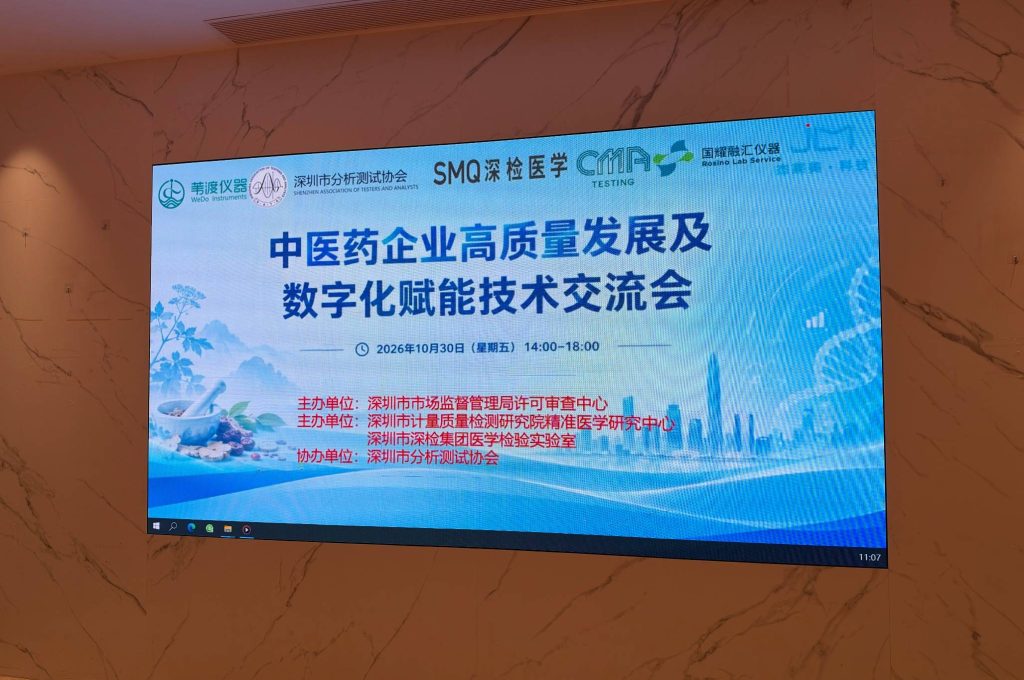
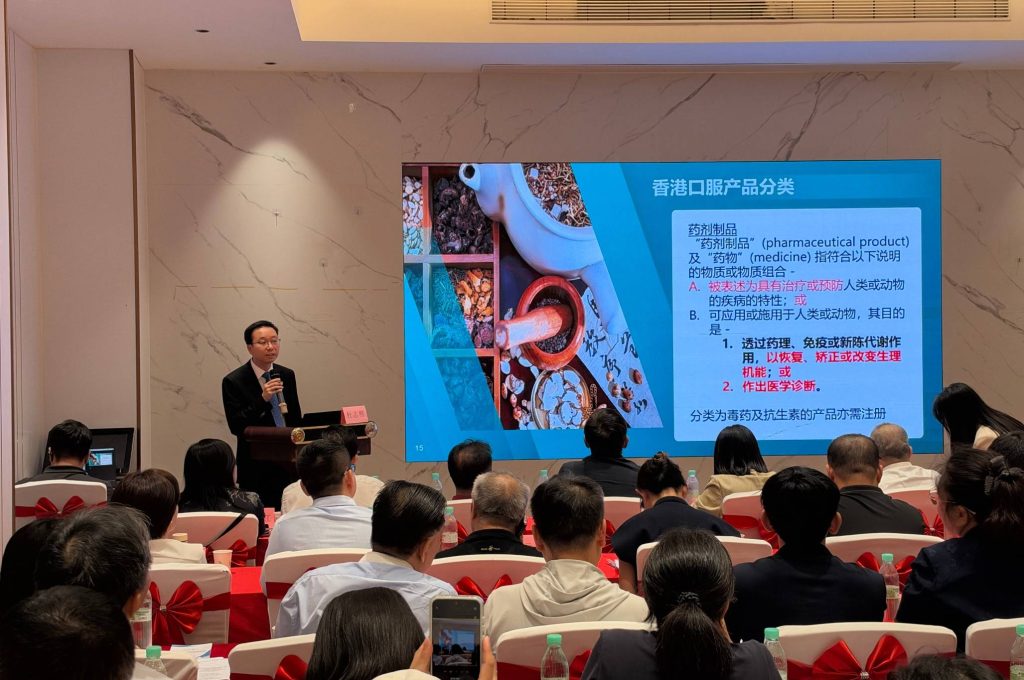
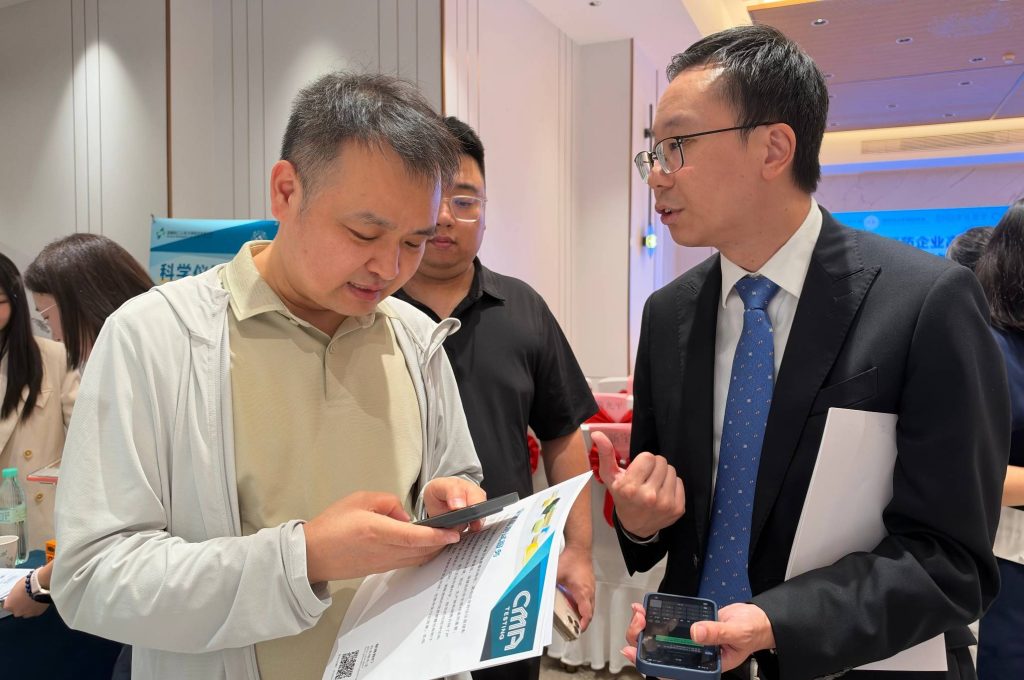
On October 30, the Technical Exchange Meeting on High-Quality Development and Digital Empowerment of Traditional Chinese Medicine Enterprises was held in Shenzhen. The meeting was hosted by the Precision Medicine Research Center of the Shenzhen Institute of Metrology and Quality Inspection (Shenzhen Shenjian Group Medical Laboratory) and co-organized by the Shenzhen Analysis and Testing Association. It focused on TCM quality improvement, modern analytical technologies, artificial intelligence applications, and innovative R&D. Nearly 100 representatives from drug regulation, inspection and testing, research institutions, and TCM manufacturers attended.
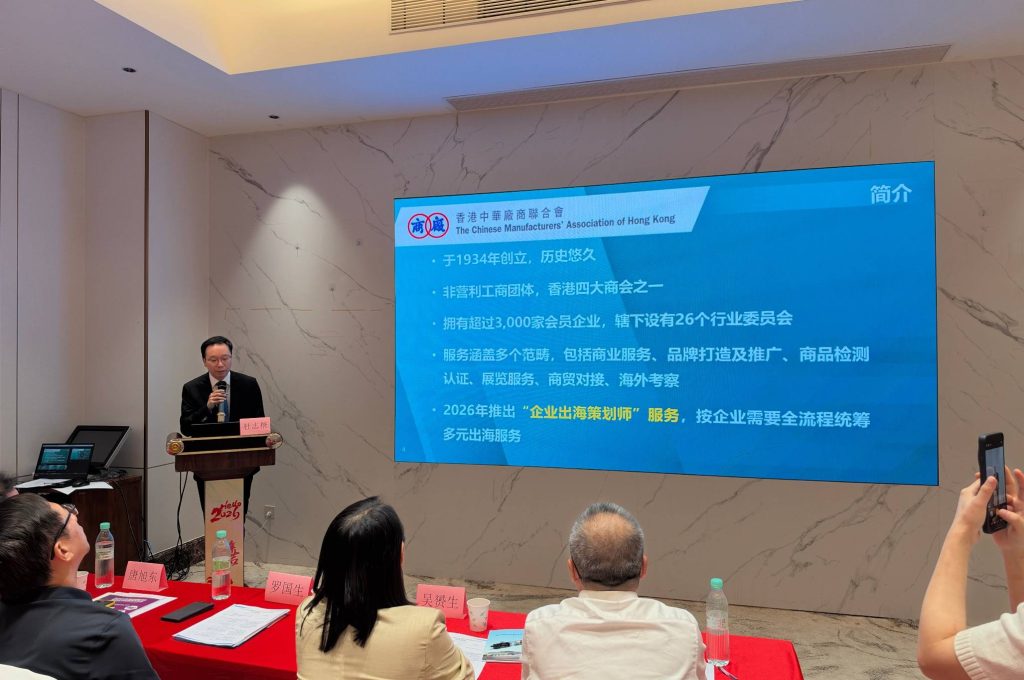
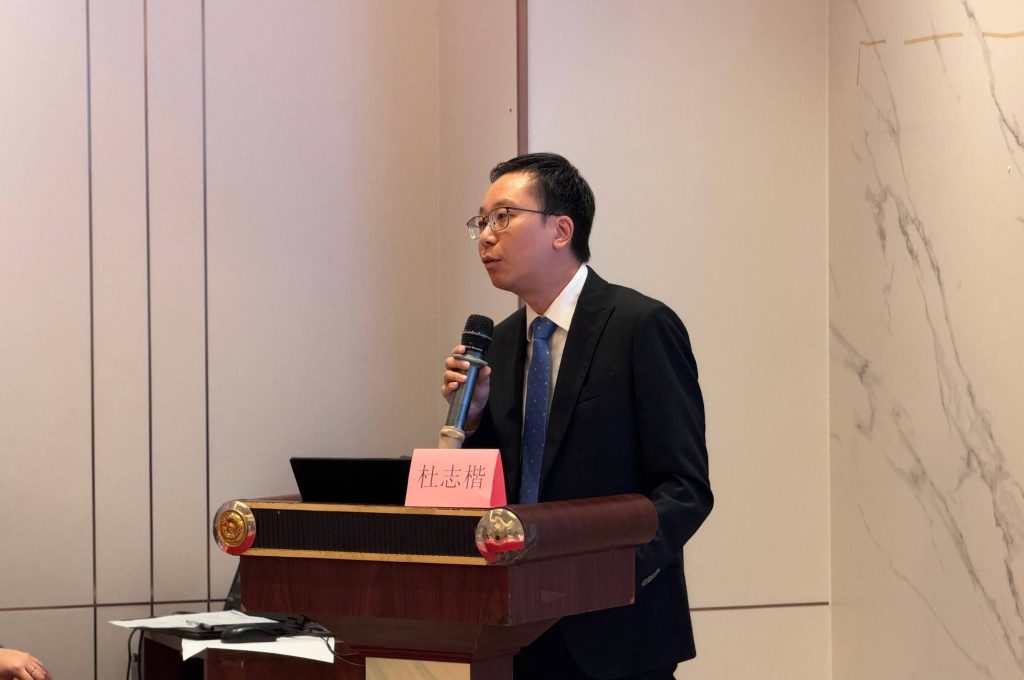
Kenneth To, Senior Manager of the Food and Pharmaceutical Division at CMA Testing, was invited to share the new Hong Kong proprietary Chinese medicine registration rules and the classification and triage mechanism. Combining registration requirements with the classification and triage logic, he explained documentation preparation, pathway selection, and compliance points, helping companies better understand Hong Kong market access rules. During on-site discussions, how testing and certification can connect with registration compliance and help products “go global” became a key focus for participating companies.
CMA Testing will continue to leverage its professional strengths in third-party testing and certification, build a bridge for information exchange between the mainland and Hong Kong, promote the integration of TCM quality management with modern analytical testing technologies, and support the digital and intelligent transformation and steady overseas expansion of the TCM industry.