











Author : Harris Wan
Key Points
- Global regulatory framework for Food Contact Materials (FCM)
- EU, US, China, and Japan compliance requirements comparison
- Positive List regulatory approach explained
- Japan FCM regulatory reform fully implemented in 2025
- PFAS restrictions and emerging chemical compliance risks
- Migration limits (OML/SML) and testing considerations
- Sustainable packaging and recycled material compliance trends
- Key compliance strategies for global market access
In today’s society, food safety has become a major public concern. From pesticide residues to food additives, consumers are increasingly attentive to the quality and safety of food itself. However, compared with food safety, the safety of Food Contact Materials (FCMs) is often overlooked, despite being closely related to food safety.
FCMs include materials such as plastics, rubber, paper, metals, and coatings used in food packaging, containers, and utensils. These materials may release harmful substances when in contact with food, potentially affecting food safety. According to EU FCM regulations, materials must not transfer harmful substances to food in quantities that could endanger human health, change the composition of food, or negatively affect its sensory properties.
Globally, regulatory control of FCMs is becoming increasingly stringent. Among different regulatory approaches, the positive list system has become the dominant model. This article reviews global FCM regulatory frameworks with a particular focus on Japan’s recent reform, highlighting key trends shaping the future of FCM compliance.
Global Overview of FCM Regulations
Globally, FCM regulatory frameworks can be broadly categorized into two main approaches:
- The flexible premarket notification system represented by the United States
- The stricter positive list system represented by the European Union
The positive list system requires that only substances which have undergone safety evaluation and are included on an approved list may be used in the manufacture of FCMs. This approach provides stronger risk control but may also increase compliance costs for industry. Many countries and regions have adopted or partially adopted this system.
The European Union is among the earliest and most comprehensive adopters of the positive list approach. Regulation (EU) No 10/2011 establishes the Union List, which includes all authorized monomers, additives, and polymer production aids permitted in plastic FCMs. Only substances included on the list may be used. The regulation also defines Specific Migration Limits (SML) and Overall Migration Limits (OML). Since its implementation in 2011, the regulation has been continuously updated, including the 2025 revision introducing new substances and updated migration requirements.
China also applies a positive list-based framework. In 2016, National Health Commission of the People’s Republic of China issued the National Food Safety Standard: General Safety Requirements on Food Contact Materials and Articles (GB 4806.1-2016), together with a series of related standards.1 These include general safety requirements, technical requirements for specific materials, and testing methods. Appendix A of GB 4806.6-2016 lists a detailed positive list, while GB 9685-2016 lists all the standards for the use of additives in FCM.
Regulatory authorities such as State Administration for Market Regulation (SAMR) and China National Center for Food Safety Risk Assessment (CFSA) periodically review and approve new substances2, reflecting China’s increasing focus on FCM safety as a major global manufacturing hub.
Japan introduced its positive list system in 2020, with full implementation effective on 1 June, 20253. The system mainly applies to synthetic resins, requiring safety assessment of substances prior to use. The positive list is structured as appended tables, specifying permitted polymers4, additives5, usage limits, and conditions. Certain thermosetting elastomers such as rubber remain regulated under a negative list approach. Japan’s reform aims to align its regulatory framework with international standards and enhance product safety.
Other countries adopting positive list systems include:
- India – Food Safety & Standards (Packaging) Regulations 20186
- Indonesia – BPOM Regulation No. 20 of 20197
MERCOSUR – GMC resolutions harmonized these regulatory developments demonstrate a global trend toward proactive risk control through pre-evaluation of materials.
In contrast, the U.S. FDA applies a hybrid system combining existing substance listings under 21 CFR and the Food Contact Notification (FCN) process for new substances. This approach allows greater flexibility and innovation, though preventive control may be less stringent than under the positive list system.
Evolution of Japan’s FCM Regulatory Framework
Japan has a long history of regulating FCMs. In 1959, the Ministry of Health, Labour and Welfare issued Notification No. 370, establishing Standards and Standards for Food, Additives, etc. specifications and standards for foods, food additives, containers, and packaging. Initially, the regulatory approach relied primarily on a negative list system, prohibiting certain hazardous substances without comprehensive pre-approval requirements.
For several decades, regulatory development remained limited, resulting in a gap between Japan and other developed regions. On 12 June, 2018, Japan amended the Food Sanitation Act and introduced the positive list system8, marking a significant regulatory shift.
The positive list system officially took effect on 1 June, 20209, with a five-year transition period.
The system applies mainly to plastic materials and additives, with authorized substances listed in Appended Table 110 along with an implementation notice11, which serves as an elaboration and explanatory note. Only listed substances may be used unless evaluated and approved by the Ministry of Health, Labour and Welfare (MHLW).
Following the transition period, full implementation began on 1 June, 2025. Additional structural changes reorganized regulatory provisions and removed certain physical testing requirements for high-temperature sterilized packaging. Importantly, Japan strengthened Overall Migration Limits for plastic FCMs12, creating a dual regulatory structure combining positive and negative list controls. The amendments, except the Overall Migration requirement that will become effective on 1 June 2026, have come to effective on 1 June, 2025.
Global Importance and Future Trends of FCM Regulation
Although large-scale incidents directly caused by FCMs are relatively rare13, their impact is often long-term and cumulative14. Positive list systems offer a preventive approach by ensuring only assessed substances enter the supply chain. This explains why regions such as the EU, China, and Japan have adopted this regulatory model.
Key future regulatory trends include:
- Expansion of regulatory scope: EU, as an example, suggests extending the coverage to paper, metals, glass, coatings, silicone, and inks, as well as escalate the regulation from member states’ level to EU’s level15; while China has been updating the FCM specifications for newly added materials;
- Increased scrutiny on key chemical residues: with perfluorinated and polyfluoroalkyl substances (PFAS) showing the most significant trend. The US FDA began phasing out PFAS compounds from certain food packaging in 202416, and many states have enacted legislation to completely ban them; on the other hand, the EU has explicitly banned PFAS in food packaging materials after 12 August, 2026, in its Packaging Materials Directive17. It is expected that more and more regions will join the ranks of those banning PFAS in food packaging materials in the future;
- Recycling and reuse: For example, one of the EU’s recent development directions is to support innovation and sustainability18 by promoting safe, reusable, and recyclable solutions; while China is also actively exploring regulations for recycled FCMs (such as rPET materials)19, and it is expected that regulations in this area will become increasingly stringent in the future.
For consumers, understanding FCM regulations helps ensure safer product choices. For businesses, compliance is essential for market access. Japan’s reform demonstrates how regulatory systems are evolving toward more scientific and comprehensive approaches to ensure food safety.
1 Announcement on the Issuance of 53 National Food Safety Standards Including General Safety Requirements for Food Contact Materials and Articles (GB 4806.1-2016) (Announcement No. 15 of 2016)
https://www.nhc.gov.cn/sps/c100088/201611/6f792a23fc294c1a90bebbbac1edf288.shtml
2 These standards include:
- GB 4806.14-2023 – National Food Safety Standard: Inks for Food Contact Materials and Articles
- GB 4806.15-2024 – National Food Safety Standard: Adhesives for Food Contact Materials and Articles
- GB 4806.16-2025 – National Food Safety Standard: Silicone Rubber Materials and Articles for Food Contact Use
3 Integration update conducted on 13 November 2023
4 Appended Table 1 – Table 1 (Permitted Polymers)
5 Appended Table 1 – Table 2 (Permitted Additives and Restrictions)
6 Schedule III of the regulation specifies technical requirements for certain materials, but does not explicitly prohibit the use of plastics outside the listed materials.
7 BPOM Regulation No. 20 of 2019 and its amendments. Annex 3 lists authorized substances, while Annex 4 specifies prohibited substances.
8 Official announcement on amendments to Japan’s Food Sanitation Act
https://www.mhlw.go.jp/stf/seisakunitsuite/bunya/0000197196.html
9 Following implementation in 2020, multiple technical updates and refinements were introduced
https://www.mhlw.go.jp/stf/newpage_05148.html
10 Official website of the Positive List system
11 Monomers, etc. constituting the base materials specified in Table 1 of Appended Table 1 of Specifications and Standards for Foods, Food Additives, etc.
Japanese version:
English version (notification only, excluding annex tables):
12 Previously, Overall Migration Limits (OML) requirements were only applicable to certain specific plastic materials.
13 Although large-scale incidents directly caused by FCM are rare, smaller incidents occasionally occur. For example, in 2024, multiple lawsuits were filed against Hershey Company alleging the presence of per- and polyfluoroalkyl substances (PFAS) in chocolate packaging, which may migrate into food. Additionally, in 2012, the EU warned about the potential presence of harmful mineral oil residues in recycled paper-based food packaging.
https://efsa.onlinelibrary.wiley.com/doi/pdf/10.2903/j.efsa.2012.2704
14 Studies conducted in the 2010s identified migration of Bisphenol A (BPA) from baby bottles and can linings, leading to regulatory bans on BPA in infant products across the EU, Canada, and the United States.
EU restriction:
https://www.europarl.europa.eu/doceo/document/P-7-2010-3848_EN.html
Canada restriction:
https://laws-lois.justice.gc.ca/eng/acts/C-1.68/page-7.html#h-44890
FDA announcement:
https://abcnews.com/Business/fda-officially-bans-bpa-bisphenol-baby-bottles/story?id=16799087
15 See final page of the official report
https://www.europarl.europa.eu/RegData/etudes/STUD/2016/581411/EPRS_STU(2016)581411_EN.pdf
16 FDA: Authorized Uses of PFAS in Food Contact Applications
https://www.fda.gov/food/process-contaminants-food/authorized-uses-pfas-food-contact-applications
Other contact materials, such as non-stick cookware, may still contain PFAS due to low migration potential.
17 Regulation (EU) 2025/40 (PPWR), Article 5(5), defines PFAS restrictions applicable to food packaging materials
https://eur-lex.europa.eu/legal-content/EN/TXT/?uri=CELEX:32025R0040
18 Revision of EU rules on Food Contact Materials
19 Report on upcoming updates to GB 4806.1
https://www.complianceandrisks.com/blog/key-takeaways-from-the-food-contact-asia-conference-2025/
click to download
Standard: EN 71-1:2026 – Safety of Toys – Part 1: Mechanical and Physical Properties
Status: published by CEN on Feb 2026
Supersedes: EN 71-1:2014+A1:2018
The European Committee for Standardization (CEN) has published EN 71-1:2026, a comprehensive revision of the mechanical and physical safety requirements for toys placed on the European market. This updated edition replaces EN 71-1:2014+A1:2018 and introduces several important technical clarifications, new test methods, and additional safety requirements.
Note: At the time of publication, EN 71-1:2026 has not yet been cited in the Official Journal of the European Union (OJEU). Harmonisation status should be monitored closely.
Summary of Key Changes in EN 71-1:2026
- Expanding Materials (Clause 4.6)
The requirements for expanding materials have been revised and strengthened. Updated safety criteria apply to materials that swell or expand when exposed to liquids, with clearer assessment conditions to address associated ingestion and obstruction risks.
- Enclosures and Ventilation (Clause 4.14)
Ventilation requirements for toy enclosures have been updated and clarified.
Key changes include:
- More clearly defined ventilation provisions
- Introduction of new test methods to assess airflow and entrapment risks. These updates aim to better address suffocation hazards.
- Toys Intended to Bear the Mass of a Child (Clause 4.15)
Requirements for toys designed to support or bear a child’s weight have been updated. Enhanced structural and mechanical performance criteria apply to improve durability and reduce collapse or failure risks during use.
- Yo-yo Balls (Clause 4.24)
Clarification has been provided for yo-yo balls equipped with tethers. A yo-yo ball is now considered compliant with the requirement if the tether breaks during testing, provided other safety criteria are met.
- Food-Imitation Toys (Clause 4.28)
A new dedicated requirement has been introduced for toys that imitate food. These measures aim to reduce the risk of confusion with real food and mitigate choking or ingestion hazards.
- Toys Intended for Children Under 36 Months (Clause 5)
The scope of requirements for toys intended for children under 36 months has been expanded. The updated standard now explicitly includes glued wooden components, ensuring that bonded parts are adequately assessed for safety.
- Straps and Cords Worn Around the Neck (Clause 5.14)
A new functional requirement has been added for straps, cords, and similar components intended to be worn fully or partially around the neck.
The design must ensure that separated cord parts can be rejoined, improving safety and continued functionality.
- Warnings for Protective Equipment (Clause 7.14.2)
EN 71-1:2026 introduces a new option allowing the use of graphical symbols to indicate that protective equipment must be worn, as an alternative to text-based warnings. This provides greater flexibility while maintaining clear safety communication.
CMA Testing Support
Contact Us
Hong Kong, China:
Eva Kung
- Phone: (+852) 2698 8198
- Mobile phone: (+852) 6321 7993
- Email: evakung@cmatesting.org
Joey Kwok
- Phone: (+852) 2690 8255
- Mobile: (+852) 6059 9644
- Email: joeykwok@cmatesting.org
Shenzhen, China:
Clara Chu
- Phone: (+86) 138 2880 6404
- Email: clarachu@cmatesting.org
Shanghai China:
Yuki Zheng
- Phone: (+86) 021 6433 0500 * 388
- Email: yukizheng@cmatesting.org

A dedicated “navigator” for mainland enterprises going global—the Hong Kong “Going Global Task Force” website (www.goglobal.gov.hk)—has officially launched. This is more than just a website; it’s a comprehensive “navigator” for mainland enterprises going global. It integrates key information needed for the entire process of enterprises expanding overseas, with the embedded “GoGlobal Task Force Cross-Sectoral Professional Services Platform” being one of its core highlights. This platform brings together top service providers from eight major professional fields in Hong Kong, providing mainland enterprises with one-stop professional support for going global.
CMA Testing: Comprehensive Support from Quality Certification to Technological Empowerment
As a leading testing and certification service provider in Hong Kong, CMA Testing is honored to be one of the service providers in the testing and certification field of the “GoGlobal Task Force Cross-Sectoral Professional Services Platform” officially established by the Hong Kong SAR Government. This platform, spearheaded by the Hong Kong SAR Government’s “Mainland Enterprises Going Global Task Force,” brings together top service providers from eight major professional fields in Hong Kong, providing mainland enterprises with authoritative overseas support backed by the government.
In the international market, product quality and safety standards are the “ticket” to entry. CMA Testing, with its internationally recognized testing standards and professional qualifications, is committed to helping mainland Chinese companies:
- Ensure Product Compliance: Accurately align with the technical regulations and standards of target markets.
- Enhance Brand Reputation: Win the trust of overseas customers through authoritative certification.
- Reduce Overseas Expansion Risks: Control quality from the source and avoid trade barriers caused by standards issues.
Technology Commercialization + Accelerated Overseas Expansion: CMA+’s “One-Stop” Empowerment Approach
CMA Testing’s technology commercialization platform, CMA+, further extends its service chain, focusing on providing mainland Chinese companies with two core empowerments.
- Technology Commercialization Services: Helping companies quickly transform R&D results into products that meet international standards, covering the entire process from proof of concept, prototype development, testing and certification to mass production implementation, enabling innovative technologies to truly “go global.”
- Accelerated Overseas Expansion Services: Addressing the pain points encountered by enterprises expanding into overseas markets, such as compliance, localization, and supply chain adaptation, CMA+ integrates resources from multiple parties to provide a one-stop solution from market access consulting to onboarding.
CMA+ Overseas Expansion Ecosystem: Building a Comprehensive Support for Enterprise Globalization
CMA Testing and CMA+ are proactively collaborating with multiple partners to establish an overseas expansion ecosystem in key regions across China. Thus creating a full-chain empowerment system for enterprises from technology R&D to overseas implementation:
1. Business, Technology, Law, and Wealth Management
CMA+, Yingke Law Firm, Xu Ducen Law Firm Limited Liability Partnership (Beijing Yingke (Hong Kong) Law Firm), and @SESG have joined forces to promote business and technology-driven innovation breakthroughs, provide legal services, and facilitate wealth management for value inheritance, offering “one-stop, full-cycle” professional services for overseas enterprises and talents, from technology implementation and legal compliance to wealth planning.
2. Cross-border Legal Services AI System
CMA Testing and CMA+, in collaboration with Hong Kong Polytechnic University and Smart Law Digital Technology Co., Ltd., have jointly built the first AI-powered cross-border legal services system integrating business, technology, and law. This system utilizes AI technology to integrate the three major fields of business, technology, and law, creating an intelligent cross-border legal services platform. It provides mainland enterprises with efficient and precise legal compliance support for going global, significantly reducing the legal risks of cross-border operations.
3. Ningbo Technology Commercialization Base and Offshore Innovation Center
In the Yangtze River Delta region, CMA+ has established the “CMA+ Ningbo Technology Commercialization Base and Overseas Launch Station” and the “Ningbo-Hong Kong Offshore Innovation Center Hong Kong Chinese Manufacturers’ Association Industrial Development Fund CMA+ Base.” Using Ningbo as a hub, this initiative aims to build a physical hub for accelerating technology commercialization and overseas expansion, promoting deep integration of resources between Ningbo and Hong Kong, and assisting enterprises in completing the entire transformation chain from technology R&D to product launch and from the domestic market to overseas expansion.
4. Chongqing-Hong Kong Going Global Launch Station
In the Chengdu-Chongqing region, a “CMA+ Chongqing-Hong Kong Going Global Launch Station” has been established with Huazhi Future (Chongqing) Technology Co., Ltd. In the future, it will actively promote the deep integration of resources, technology, and markets between Chongqing and Hong Kong, expand new channels and models for enterprises to go global, and help more enterprises enter the international market with high quality.
5. Chongqing-Hong Kong Food and Agriculture Industry Cooperation – A Channel for Chongqing Specialty Foods to Go Global
CMA+ signed a strategic cooperation agreement with the Food and Agriculture Task Force of Dadukou District, Chongqing. It will fully leverage its bridging role in the Hong Kong market, relying on Hong Kong’s international trade network and standard certification system, to help Chongqing specialty foods reach the international stage and open new channels to the global market for Bashu flavors.
6. Guizhou GoGlobal Launch Station – Empowering the Ecological Food and Big Health Industry
A “Guizhou GoGlobal Launch Station” has been jointly established with the Guizhou Small and Medium-sized Enterprises Development Promotion Association to provide one-stop consulting services and solutions for Guizhou Province’s ecological food, traditional Chinese medicine, and big health products to go global.
7. Joint Research Center for Senior Living and Healthcare – Cross-border Cooperation to Promote Smart Senior Living
A joint research center has been established in partnership with Haier to promote the high-quality development of the senior economy through cross-border cooperation. On the one hand, the joint research center integrates resources from Hong Kong universities and research institutions to accelerate the transformation and industrialization of senior living technology achievements, creating a complete ecosystem from technology to products and then to industry. On the other hand, relying on CMA Testing’s professional testing and certification services, it formulates technical standards for senior living and healthcare products, providing authoritative endorsement for smart senior living products entering the international market.
We deeply understand that for your products to go global, you need not only business acumen but also a solid quality foundation and continuous innovation. CMA Testing and CMA+, with their comprehensive service system of “testing and certification + innovation incubation + ecosystem collaboration,” are willing to be your “dual engines” on your overseas journey, escorting you every step of the way.
Overseas Consulting Hotline: 400 100 6807
Consultation Email: info.sh@cmatesting.org
Key Points
- Global climate regulations are tightening, driving demand for accurate and verifiable greenhouse gas (GHG) data.
- ISO 14064-1 provides structured requirements for organisational greenhouse gas (GHG) quantification, boundaries, data quality and uncertainty management.
- ISO 14064-3 ensures greenhouse gas (GHG) statements are transparent, consistent and assurance-ready.
- Major regulatory frameworks align with ISO standards, including:
EU Carbon Border Adjustment Mechanism (CBAM) – harmonised methods & mandatory verification
China Emissions Trading System (ETS) – strengthened monitoring, reporting, and verification (MRV) and activity-data traceability
HKEX IFRS S2 – assurance-ready climate disclosures from 2025
EU Ecodesign for Sustainable Products Regulation (ESPR)/ Digital Product Passport (DPP) – ISO-based organisational data for product carbon transparency
- ISO 14064 enables unified, comparable and audit-ready greenhouse gas (GHG) data across markets.
- Standard Introduction
ISO 14064‑1:2018 specifies organization‑level requirements for quantifying and reporting greenhouse gas (GHG) emissions and removals. It addresses organizational and operational boundaries, identification of sources and sinks, selection of quantification methods, data quality and uncertainty management, and reporting under the principles of relevance, completeness, consistency, accuracy and transparency. The standard is programme‑neutral, enabling inventories to support multiple regimes.
ISO 14064‑3:2019 sets principles and requirements for verification of greenhouse gas (GHG) statements, including assurance level, materiality, risk‑based planning, evidence evaluation, competence and impartiality—turning inventories into decision‑grade statements.
2. Importance of greenhouse gas (GHG) Inventory Quantification and Verification
Growing global regulatory pressure is rapidly reshaping how organisations quantify, manage and disclose greenhouse gas (GHG) emissions. A technically robust greenhouse gas (GHG) inventory, developed in full accordance with ISO 14064‑1:2018 and subsequently verified under ISO 14064‑3:2019, has become a foundational requirement for compliance with both established statutory frameworks and newly emerging regulatory schemes.
2.1 EU – Carbon Border Adjustment Mechanism
Carbon Border Adjustment Mechanism (CBAM)’s technical documentation embeds explicit expectations for harmonised quantification and third‑party verification of embedded emissions for specified carbon‑intensive goods. Under the definitive phase effective 2026, importers must apply prescribed system boundaries, enforce mandatory reporting of activity data at installation level, and adopt conservative assumptions where data uncertainty is high. These requirements closely mirror ISO 14064‑1’s rules on:
- Boundary selection
- Activity‑data traceability and evidence chains
- Emission factor justification and hierarchy
- Uncertainty characterization
Additionally, ISO 14064‑3’s verification approach, which includes materiality assessment, rigorous evidence gathering and risk‑based verification planning, directly parallels the verification procedures required under Carbon Border Adjustment Mechanism (CBAM). This alignment ensures that greenhouse gas (GHG) statements meet CBAM’s expectations for accuracy and reproducibility.
2.2 Mainland China – Reinforcement of National Emissions Trading System (ETS) monitoring, reporting, and verification (MRV) Requirements
China’s strengthening of its national Emissions Trading System (ETS) incorporates increasingly stringent monitoring, reporting, and verification (MRV) requirements, emphasising high‑resolution activity data, sector‑specific methodologies, and third‑party verification. ISO 14064‑1 provides a compatible framework through:
Structured categorisation of emission sources and sinks aligned with Emissions Trading System (ETS) sectoral guidelines
Activity‑data governance requirements, including documentation, traceability and quality controls
Mandatory uncertainty management, which is necessary for Emissions Trading System (ETS)‑compliant reporting
ISO 14064‑3’s verification model—focused on risk identification, validation of internal controls, and cross‑checking of measurement‑based and calculation‑based data—supports enterprises in meeting Emissions Trading System (ETS) verification standards as the system expands and tightens toward 2027.
2.3 Hong Kong – HKEX IFRS S2‑Aligned Climate Disclosure Requirements
HKEX has introduced the New Climate Requirements, effective for reporting periods beginning on or after 1 January 2025. To comply with the New Climate Requirements, issuers must establish quantification and reporting processes capable of producing transparent, traceable and assurance‑ready greenhouse gas (GHG) data. This includes:
- Clear organisational boundary determination, ensuring consistent attribution of Scope 1 and Scope 2 emissions.
- Methodological consistency in calculating emissions, including justified selection of activity data and emission factors.
- Controlled data management, including documentation of data sources, versioning of emission factors and maintenance of data lineage.
- Quantitative uncertainty assessment, aligned with internationally recognised greenhouse gas (GHG) quantification principles (e.g., ISO‑based approaches).
Given that HKEX’s climate disclosure framework is aligned with IFRS S2, where verifiability, consistency and audit‑readiness are essential principles, ISO 14064‑1 and ISO 14064‑3 provide the structural foundation needed for compliance. By adopting ISO 14064 based systems, issuers can ensure that their disclosures not only comply with HKEX requirements but also meet future expectations for external assurance, international comparability and progressive regulatory tightening.
2.4 EU- Ecodesign for Sustainable Products Regulation (ESPR)
Though Ecodesign for Sustainable Products Regulation (ESPR) applies at the product level, it presupposes a technically sound organisational greenhouse gas (GHG) inventory as a prerequisite for accurate lifecycle‑based assessments. Compliance with Ecodesign for Sustainable Products Regulation (ESPR)’s anticipated requirements, such as Digital Product Passport (DPP) emissions transparency, requires the following:
- A complete and uncertainty‑quantified organisational greenhouse gas (GHG) baseline, derived from ISO 14064‑1
- Methodological coherence between organisational inventories and product‑level calculations (e.g., ISO 14067)
- Evidence‑based verification controls, aligning with ISO 14064‑3’s materiality and sampling rules
Thus, ISO 14064‑1 and ISO 14064‑3 enable organisations to construct the data infrastructure necessary to support Ecodesign for Sustainable Products Regulation (ESPR)’s product‑level quantification, verification and digital‑traceability demands.
3. CMA Testing’s Role
CMA Testing, originating from the Chinese Manufacturers’ Association and carrying a longstanding mandate to support industrial development, has continuously expanded its technical competence in environmental and sustainability assessment. The organisation is accredited by the Hong Kong Accreditation Service(HKSA) for greenhouse gas (GHG) inventory quantification under ISO 14064‑1:2018 and greenhouse gas (GHG) verification under ISO 14064‑3. Through HKAS’s participation in the multilateral recognition arrangements of the International Accreditation Forum, the International Laboratory Accreditation Cooperation and the Asia Pacific Accreditation Cooperation, the results issued within the accredited scope are internationally recognised, reflecting the principle of accredited once, accepted everywhere.
Against this regulatory backdrop, CMA Testing supports industries in strengthening their organisational readiness through the following integrated roles.
3.1 Building reliable and standardised greenhouse gas (GHG) inventory systems
A credible greenhouse gas (GHG) inventory forms the foundation of all climate‑related disclosure and compliance work. CMA Testing assists organisations in designing and implementing ISO 14064‑aligned systems that define clear boundaries, establish traceable data collection processes and maintain consistent methodologies over time. By embedding evidence chains, data lineage and uncertainty management into routine operations, companies can shift from fragmented carbon accounting practices to structured and verifiable greenhouse gas (GHG) data governance. This foundation is essential for meeting regulatory expectations under HKEX, Carbon Border Adjustment Mechanism (CBAM), Emissions Trading System (ETS) and other emerging regimes.
3.2 Strengthening assurance readiness and internal controls
As external assurance becomes increasingly central to climate reporting frameworks, organisations must ensure that their greenhouse gas (GHG) statements can withstand rigorous verification. CMA Testing supports this process by conducting gap analyses against ISO 14064‑1 and ISO 14064‑3, carrying out pre‑verification assessments and helping enterprises establish effective internal controls to reduce material uncertainties. This enables organisations to produce assurance‑ready disclosures that meet the expectations of regulators, auditors and investors.
3.3 Reducing compliance burden for SMEs and large enterprises
Many companies in Hong Kong and the region lack dedicated environmental teams, which can make compliance with new climate regulations challenging. CMA Testing addresses this by providing practical guidance and tools such as structured activity‑data templates, sector‑specific emission‑factor recommendations and uncertainty‑reduction practices. These resources allow enterprises to meet regulatory requirements efficiently while maintaining technical integrity.
3.4 Supporting alignment across multiple regulatory regimes
Supply chains are now operating under increasingly overlapping regulatory jurisdictions. CMA Testing helps organisations align their methodologies across HKEX, Carbon Border Adjustment Mechanism (CBAM), China Emissions Trading System (ETS) and the Ecodesign for Sustainable Products Regulation (ESPR), ensuring consistency in carbon accounting practices. This includes harmonising organisational greenhouse gas (GHG) inventories with product carbon footprint methodologies based on ISO 14067 and building data management systems capable of supporting future requirements such as the Digital Product Passport.
3.5 Delivering internationally recognised end‑to‑end greenhouse gas (GHG) services
With its accredited competencies and sector experience, CMA Testing provides a full suite of greenhouse gas (GHG)‑related services, including ISO 14064‑1 inventory quantification and reporting, ISO 14064‑3 verification with reasonable or limited assurance, and advisory services that help organisations align their reporting processes with IFRS S2, the greenhouse gas (GHG) Protocol, Carbon Border Adjustment Mechanism (CBAM) and Emissions Trading System (ETS) monitoring, reporting, and verification(MRV) requirements. These services support companies in transforming climate compliance from a regulatory obligation into a strategic capability that enhances supply‑chain confidence and global market access.
For inquiries about related services, please contact:
HK, China
Eva Kung evakung@cmatesting.org
SZ,China
Clara Chu (+86) 138 2880 6404 clarachu@cmatesting.org
SH,China
Yuki Zheng (+86) 021 6433 0500*388 yukizheng@cmatesting.org
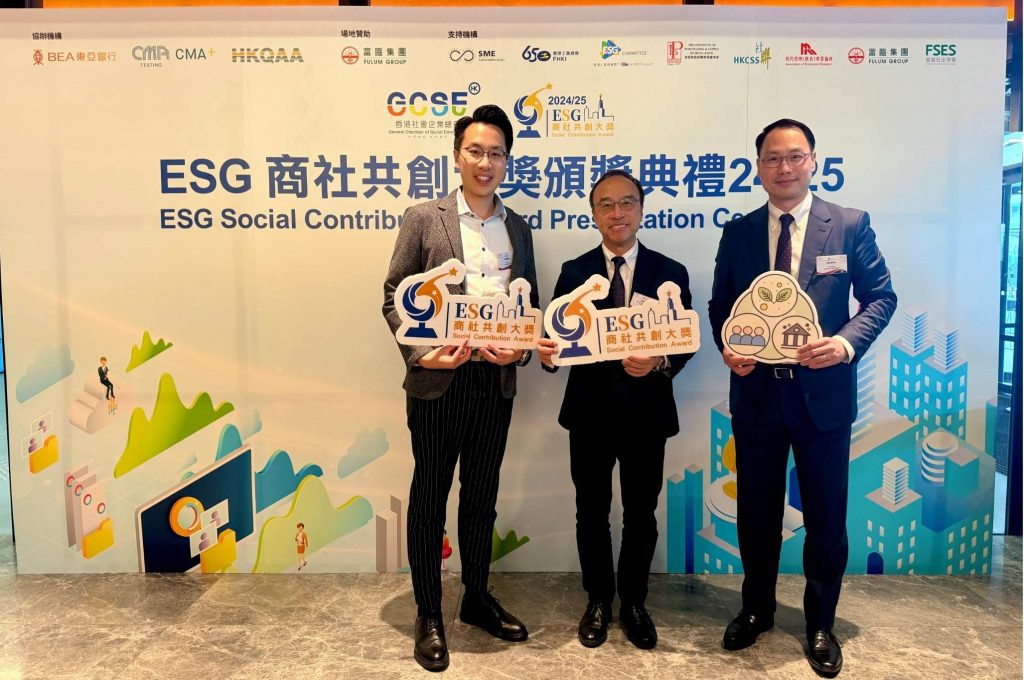
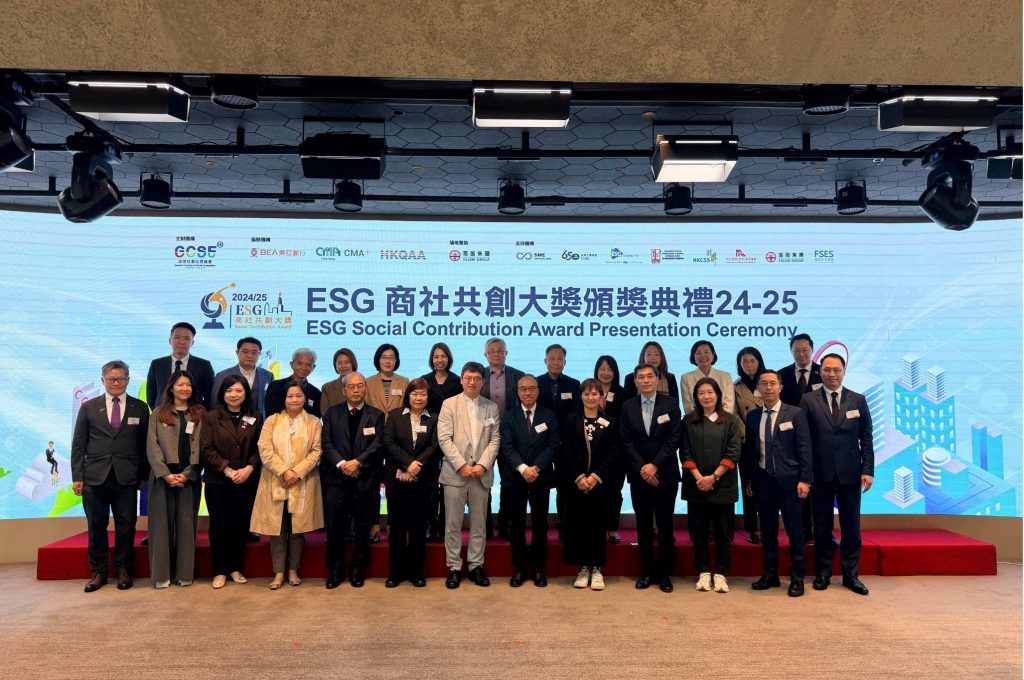
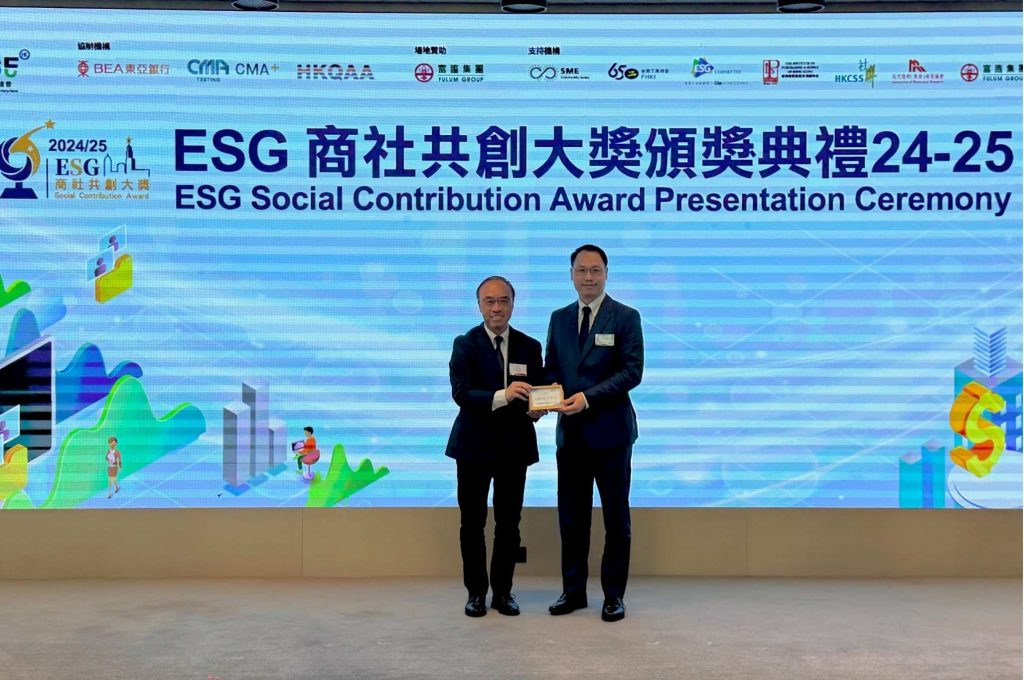
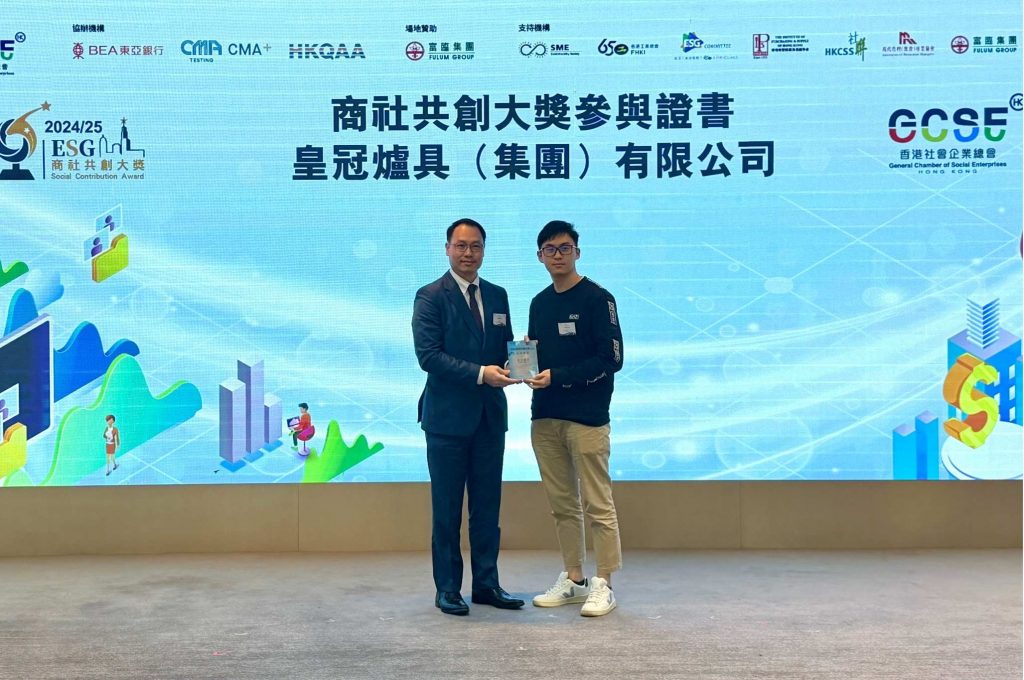
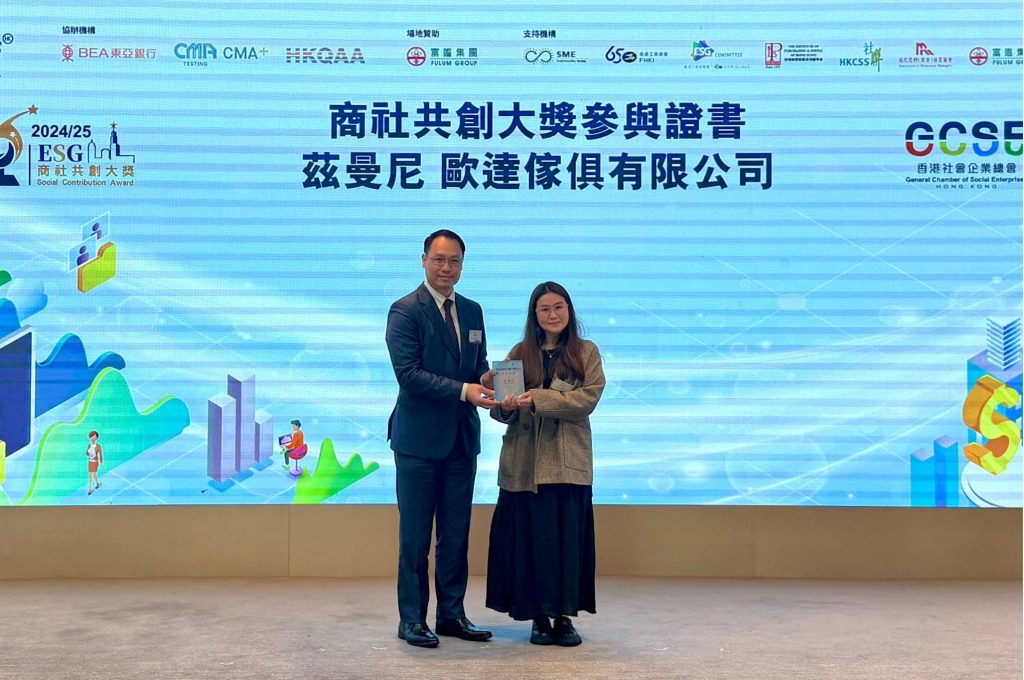
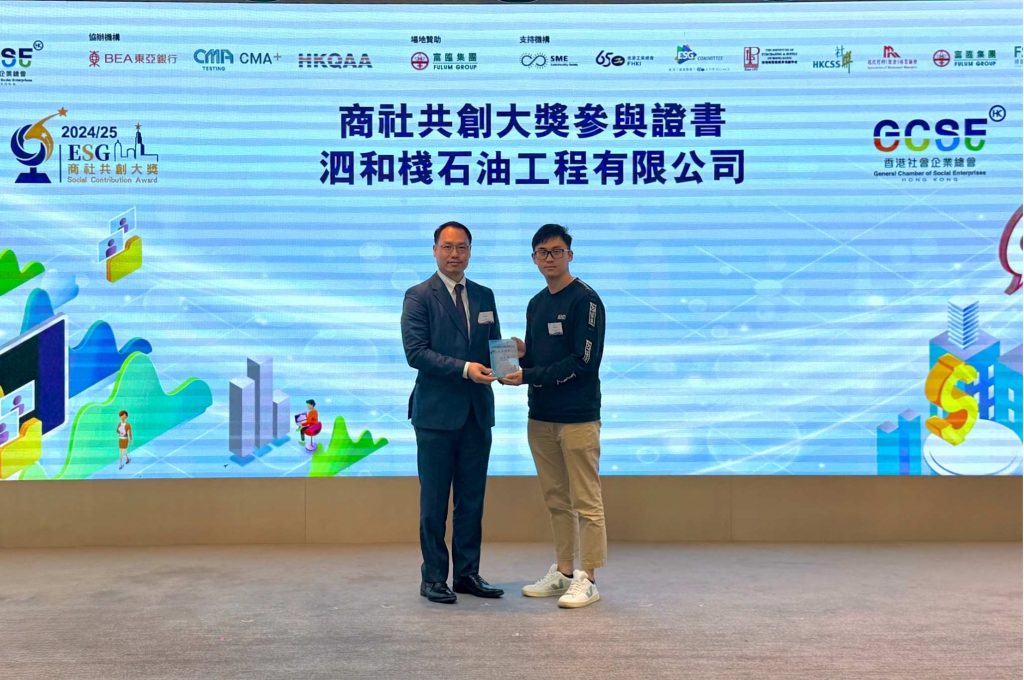
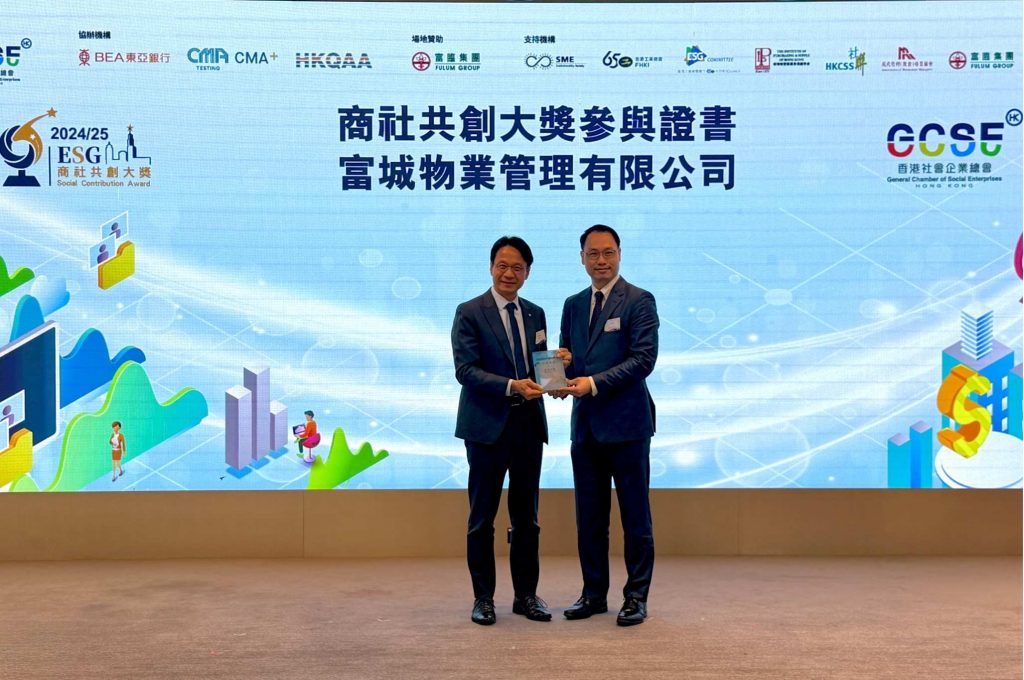
The first ever “ESG Social Contribution Award” Presentation Ceremony was successfully concluded on 9 March at M+ in the West Kowloon Cultural District. The event aimed to recognize commercial organizations that actively prioritize procurement of social enterprise products, integrate social responsibility into their core business, and translate these efforts into “Social (S)” contributions within their ESG reports. The ceremony brought together numerous corporate representatives, social enterprise founders, and industry professionals to witness this new milestone in cross-sector collaboration.
As a co-organizer of this event, CMA Testing is deeply honoured to have participated and played a part in promoting the sustainable development ecosystem in Hong Kong.
Witnessing Cross-sector Win-Win: CMA Testing Representative Presents Awards
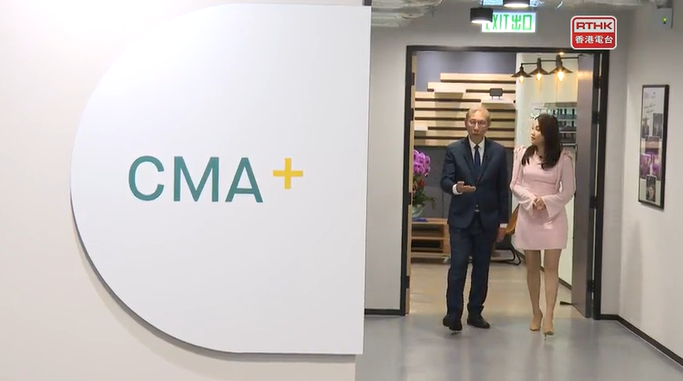
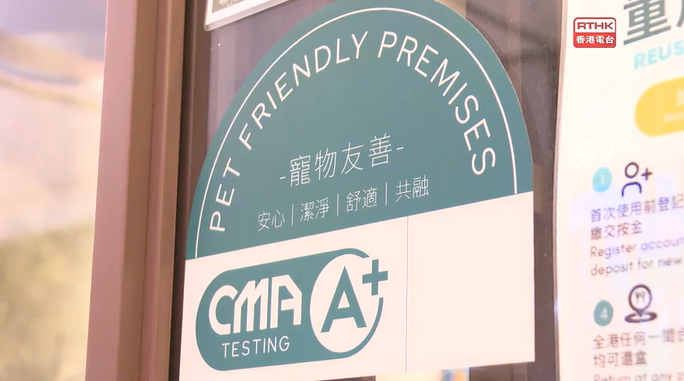
We are honored to have been invited by RTHK’s “Vibrant Hong Kong” program to be interviewed by Mr. Dominic Lam, Chief Operations Officer of CMA Testing, and Mr. Joseph Chiu, Chief Food and Catering Auditor, to introduce CMA Testing’s newly launched “Pet Friendly Premises Scheme” Evaluation Program!
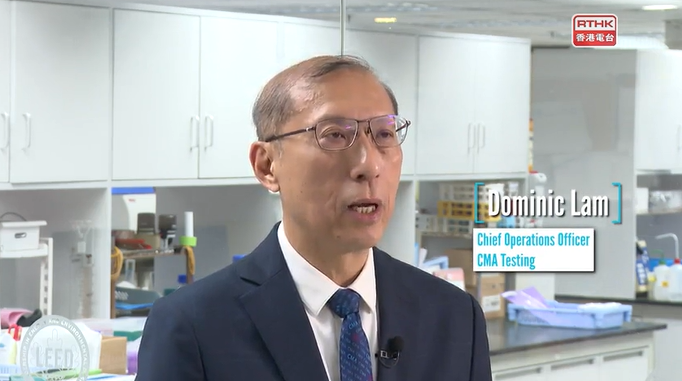
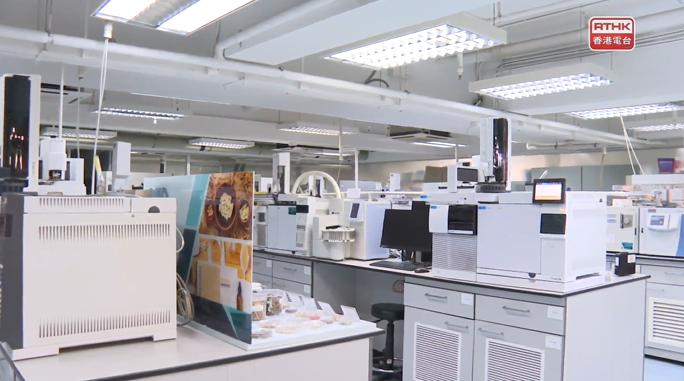
As pets become cherished members of more families, creating pet-inclusive public spaces is a growing trend. We have developed a systematic evaluation framework for venues such as restaurants, shopping malls, and general retail shops. The evaluation covers multiple aspects, including pet-friendly facilities, hygiene and safety, and quality of pet-related services, helping premises enhance their pet-friendly standards while ensuring a pleasant experience for all customers.
Since its launch, the programme has received positive responses from numerous businesses. Looking ahead, we hope to see more restaurants and shops joining the initiative, allowing more pets to accompany their owners into public spaces and enjoy quality services – truly fostering a harmonious, pet-inclusive community.
We extend our gratitude to RTHK for the coverage, to NUK cafe for always support and to all partners supporting pet-friendly initiatives. Let’s work together to create more warm and inclusive pet-friendly spaces in Hong Kong!

Welcome to inquire about service details:
Hong Kong SAR:
Joey Kwok (+852) 2690 8255 (+852) 6059 9644 joeykwok@cmatesting.org
https://wa.link/s3sgi5
WeChat: JKwok_DC5
Shenzhen, China:
Clara Chu (+86) 138 2880 6404 clarachu@cmatesting.org
Shanghai, China:
Yuki Zheng (+86) 021 6433 0500*388 yukizheng@cmatesting.org