






Key Points
- Fire events in Hong Kong exposed safety gaps, leading to strict flammability requirements for upholstered furniture in public premises.
- FSD Circular No. 1 (2000) mandates compliance with BS 7176 and proper labeling/test reports.
- Updated BS 7176:2007+A1:2011 adds mandatory ignitability testing for each filling material, addressing risks missed by the 1995 version.
- Only the new version is internationally valid, and more government buyers already require it, pushing the industry toward enhanced fire safety.
When you go to restaurants, theaters or hotels, you will notice that the upholstered chairs will have the following label (Figure 1) to indicate that the upholstered chairs have complied with the fire safety standards.

(Figure 1)
The recent fire event echoes the another fire event in 1996 exposing similar vulnerabilities in aging structures, including inadequate fire-fighting equipment, flammable renovation materials, and interior furnishings like upholstered furniture, carpets, and curtains. The 1996 event directly prompted the Hong Kong government to enact stringent flammability regulations for such items in licensed premises and public areas.
In 2000, the Fire Services Department published “Fire Services Department Circular No. 1 of 2000, Flammability Standards for Polyurethane Latex Mattress and Upholstered Furniture in Licensed Premises and Public Places” (Ref. 1), requiring The flammability standards for polyurethane latex mattresses and fixed and removable upholstered furniture used in licensed premises and public places are excerpted for upholstered furniture as follows:
Upholstered furniture is required to comply with BS 7176:1995 (Ref. 2) for fire resistance testing of composite seats for non-domestic use (moderate hazard premises/buildings) or equivalent international standards.
The use of polyurethane foam filled furniture that meets the specified standards in licensed premises and public places shall have an appropriate label (as shown in Figure 1), the invoice with accredited test report issued by an accredited laboratory must be submitted by relevant manufacturer/suppliers to relevant department officer for checking.
The following (Table 1) is a summary of BS 7176: 1995 (Medium Hazard Premises/Buildings)
| BS 7176:1995 Specification | Application |
| Resistant to ignition source: smouldering cigarette of BS EN 1021-1 : 1994. Resistant to ignition source: match flame equivalent of BS EN 1021-2 : 1994. Resistant to ignition source 5 in section 4 of BS 5852 : 1990. | Hotel bedrooms Public buildings Restaurants Services’messes Places of public entertainment Public halls Public houses and bars Casinos Hospitals Hostels |
To understand this standard, you should firstly understand the ignition sources (Figure 2) and ignition methods (Table 2) of the British Standard Specifications, so that readers can easily understand:
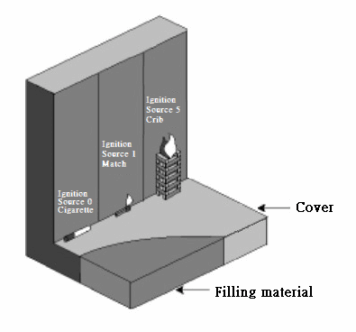
| Cigarette ignition test (Ignition source 0) | Match ignition test (Ignition source 1) | Wooden crib ignition test (Ignition source 5) |
 |  |  |
| After the sample has been pre-conditioned and maintained at constant temperature and humidity, place one of the customer’s fillings vertically and horizontally on the test rack and wrap it with the submitted fabric sample. Place a standard cigarette on the junction between the vertical and horizontal fillings. Then ignite and observe. | After the sample has been pre-conditioned and maintained at constant temperature and humidity, place one of the customer’s fillings vertically and horizontally on the test rack and wrap it with the submitted fabric sample. Place a burner with specified gas flow and energy on the junction between the vertical and horizontal fillings. Then ignite and observe. | After the sample has been pre-conditioned and maintained at constant temperature and humidity, place one of the customer’s fillings vertically and horizontally on the test rack and wrap it with the submitted fabric sample. Place a standard wooden crib on the junction between the vertical and horizontal fillings. Then ignite and observe. |
Per BS 7176:1995, filling and covering fabrics (which treated with water soaking) assembled as composite materials in accordance with the standard are tested in accordance with the required methods listed in the table above. When the results of the cigarette, match and wooden crib ignition tests of the composite material are all “non-ignition”, then it meets the Medium Hazard requirements of BS 7176:1995.
To provide consumers with greater safety protection, BS 7176:1995 has been updated in different ways over the past 20 years, and the latest version is BS 7176:2007+A1:2011 (Ref. 3). The most important update to the specification is the addition of the ignition test for filling materials. All fillings used in upholstered chairs must be tested for individual fillings in accordance with the guidelines in the Annexes (A to E) of the standard. These annexes will direct you to the corresponding provisions of the UK Furniture and Furnishings (Fire) (Safety) Regulations 1988 (Ref. 5) for testing. This updated standard specification can only be concluded to comply with the requirements only if the ignitability test of the composite material covered with fabric wrapped filling and each of its filling materials yields a “non-ignition” result at the same time.
In terms of consumer protection, this updated version has indeed improved fire safety due to the above specifications; however, it has also increased the production and testing costs of manufacturers. They believe that if the composite material is “non-ignition”, the filling material does not necessarily require “Non-ignition”. It’s because the final upholstered furniture is in a composite state rather than a separate material, consumers will not directly contact and ignite the filling material individually during normal use, so they regard the ignitability test of the added filling material just as optional. According to statistics surveyed by CMA Testing from August 2007 to January 2026, only an average of 8% of BS7176 tests were requested in an updated version. From this data, it shows that local and mainland manufacturers have been in passive response. Unless buyers specify a new version of the test, they usually request the old version for this specification test. One of reasons for them to use the old version in local use is it’s still acceptable to apply the license in local public premises.
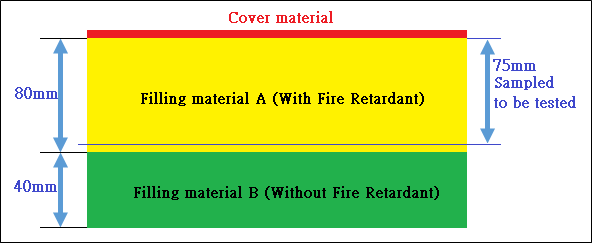
From a technical perspective, the old version (BS 7176:1996) test can only determine that when a single filling material is used in an upholstered chair, the composite material is “non-ignition” and the result is truly “non-ignition”. However, for upholstered chairs using two or above filling materials, when the composite filling material is composed of multiple layers and its total thickness exceeds 75 mm, the relevant test method standards BS5852:1990 (Ref. 5) or BS5852:2006 (Ref. 6) guides only the upper 75 mm of multi-layers filling material to be assembled with covering fabric for ignition testing.
Figure 3 below shows an upholstered chair with two filling materials (A with and B without fire retardant treatment) as an example, the thicker upper layer of filling material A was tested on a composite sample with a filling material thickness of 75±2 mm. The samples can be completely sampled from filling material A, but the filling material B in the lower layer without fireproof treatment has not been sampled and tested, which may lead to false “non-ignition” of the composite sample. Although the above situations are rare, in terms of safety risks, adopting the updated version of the test specification can remove the above limitations of the old version of the test and ensure that the fire safety of upholstered furniture is fully in place.
In terms of standard traceability, BS 7176:2007+A1:2011 has replaced the withdrawn BS 7176:1995 for many years and the withdrawn BS 7176:1995 has not been recognized internationally. Therefore, if there is a legal dispute, the court shall follow the effective standard BS 7176:2007+A1:2011. Hence, when the customer requires our laboratory to test BS 7176 without indicating the new or old version, we shall inform the customer of the above situation to confirm the new or old version to be followed for testing. At present, foreign buyers and some Hong Kong government departments have referred to the updated version of BS 7176:2007+A1:2011 as one of the receiving specifications in purchasing.
As we move forward, it is imperative that both local authorities and private stakeholders align their practices with updated flammability standards. The commitment to enhancing policy formulation, supervision, and law enforcement will play a crucial role in preventing similar fire events. A concerted effort to implement these guidelines will ensure a safer environment for all, fostering not only compliance but a culture of safety in commercial and public spaces. Together, we can work towards a future where such disasters are not just rare but entirely avoidable.
*** The End ***
Reference
Remark:
Due to the time in publishing, the regulation, standard and letter versions information stated above may be changed after the article composed date of 1 February 2026.
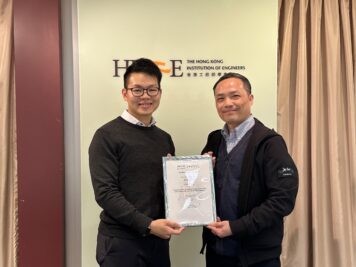
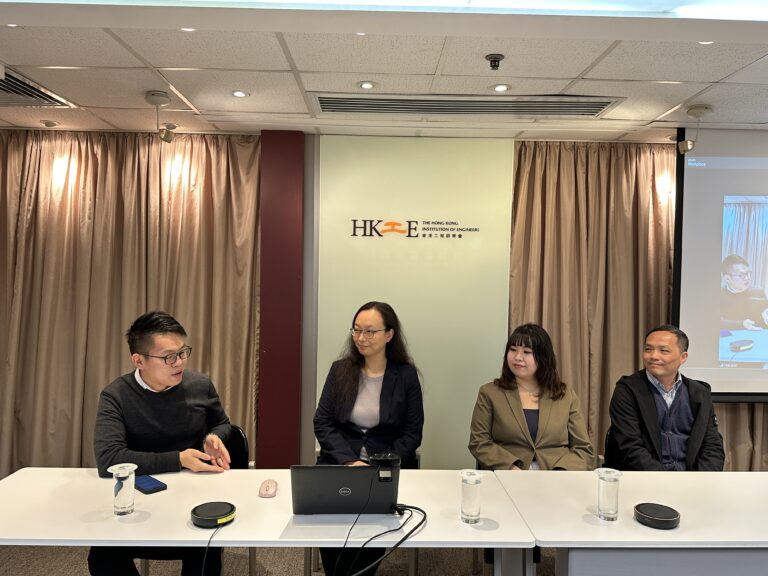
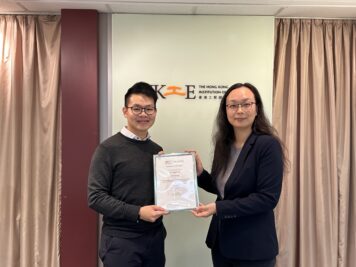
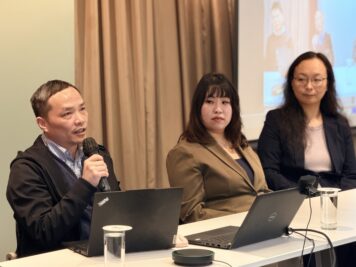
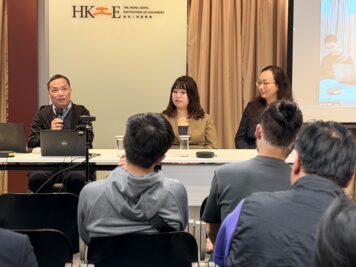
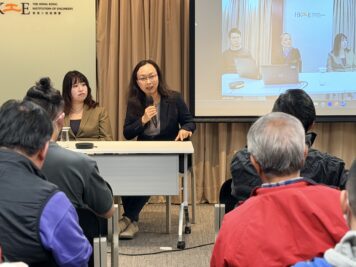
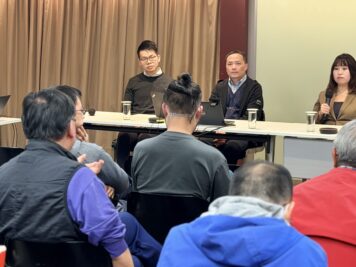
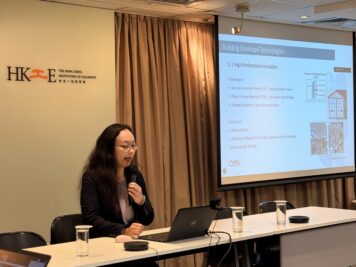
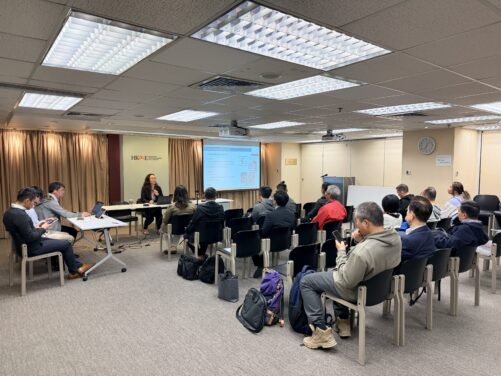
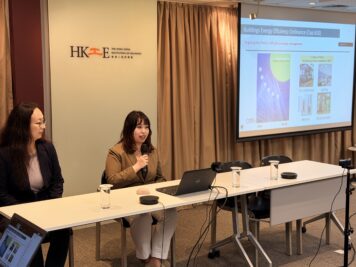
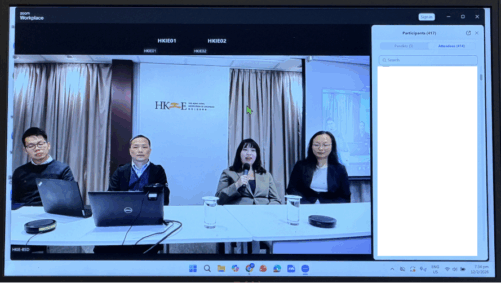
Yesterday, CMA Testing had the privilege of hosting a technical seminar at The Hong Kong Institution of Engineers (HKIE), bringing together industry professionals to explore the future of green building technologies!
Our speakers shared insights on how laboratory-verified green solutions can be effectively implemented in real-world building projects under the new Building Energy Efficiency Ordinance (BEEO) — driving energy savings, carbon reduction, and cost efficiency
The session was met with great engagement and valuable discussions. Thank you to everyone who joined us!
Looking for similar support?
- ESG / Green building testing & assessment
- BEEO compliance verification
- Energy audit & on-site measurement
Contact our expert team today for tailored solutions!
Hong Kong SAR
- Candy Wong
- (+852) 2690 8229
- candywong@cmatesting.org
- Yuki Tsang
- (+852) 6059 9625
- yukitsang@cmatesting.org
- Karl Lau
- (+852) 2690 8281
- karllau@cmatesting.org
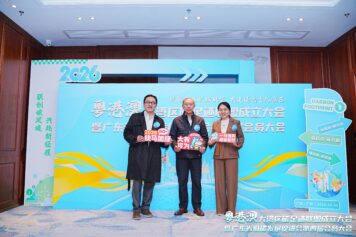
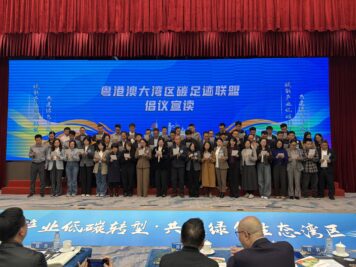
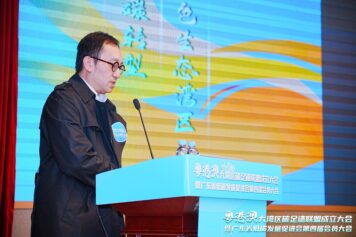
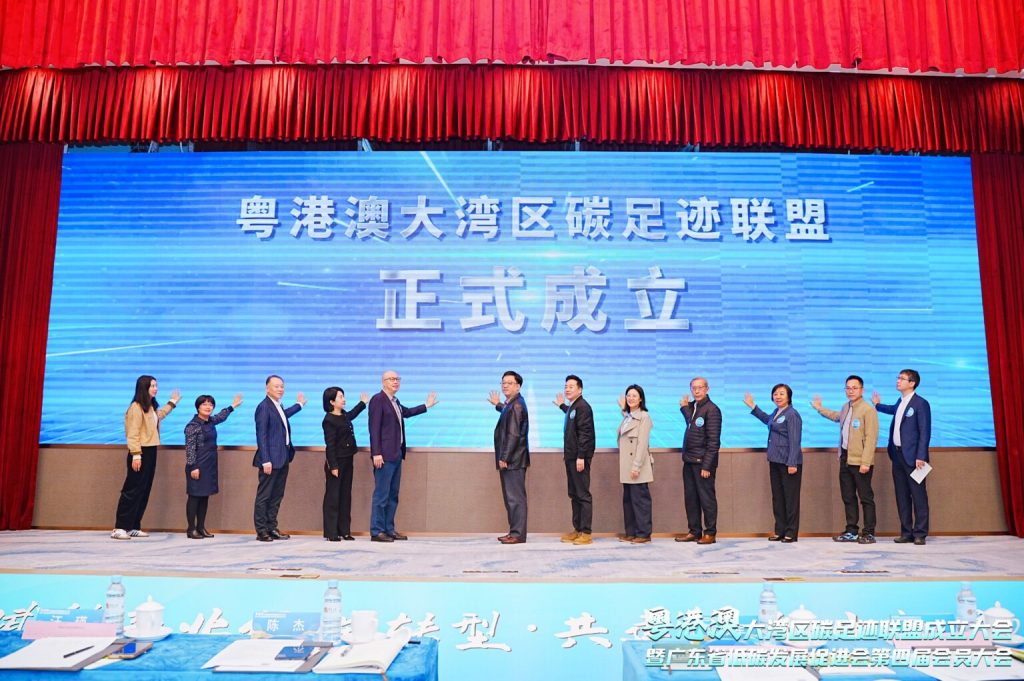
CMA Testing is honored to be among the first members of the “Greater Bay Area Carbon Footprint Alliance,” officially launched in Guangzhou. The alliance aims to empower low-carbon industrial transformation and build a green ecological bay area. This milestone reflects strengthened regional collaboration in carbon footprint management and green development. Moving forward, the alliance will focus on standard mutual recognition, capacity building, and international cooperation. We are committed to driving sustainable progress together!
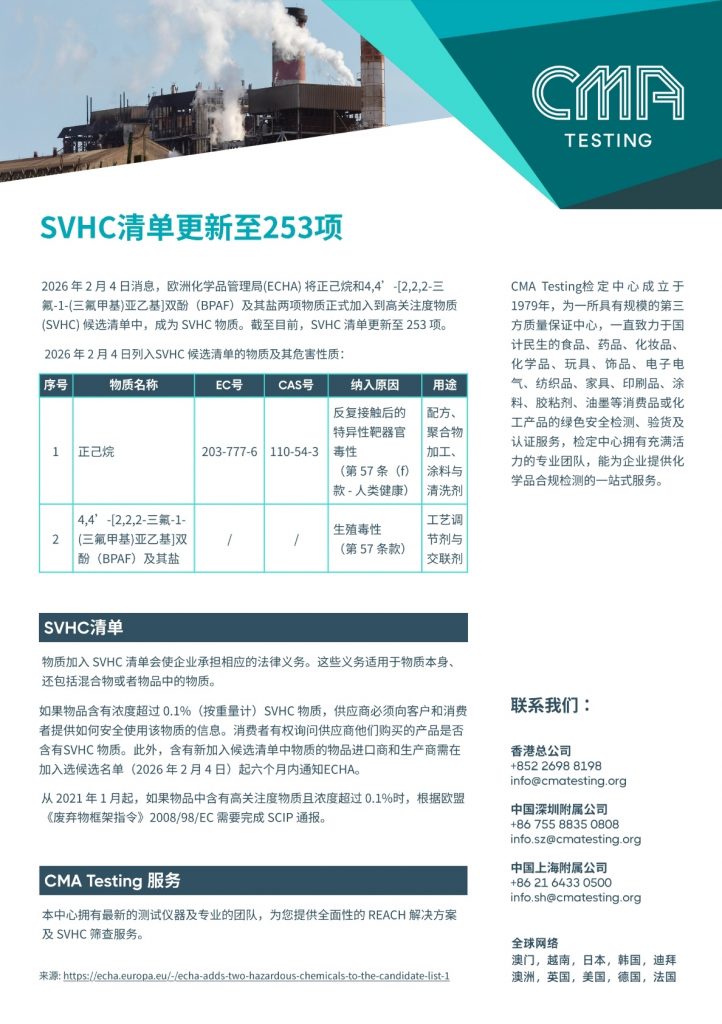
On February 4, 2026, the European Chemicals Agency (ECHA) officially added n-hexane and 4,4′-[2,2,2-trifluoro-1-(trifluoromethyl)ethylidene]bisphenol (BPAF) and its salts to the candidate list of Substances of Very High Concern (SVHCs), thus making them SVHCs. As of now, the SVHC list has been updated to 253 items.
The substances added to the SVHC candidate list on February 4, 2026, and their hazardous properties are described below.
Contact Us
Hong Kong, China:
Eva Kung
- Phone: (+852) 2698 8198
- Mobile phone: (+852) 6321 7993
- Email: evakung@cmatesting.org
Joey Kwok
- Phone: (+852) 2690 8255
- Mobile: (+852) 6059 9644
- Email: joeykwok@cmatesting.org
Shenzhen, China:
Clara Chu
- Phone: (+86) 138 2880 6404
- Email: clarachu@cmatesting.org
Shanghai China:
Yuki Zheng
- Phone: (+86) 021 6433 0500 * 388
- Email: yukizheng@cmatesting.org
CMA Testing and CMA+ extend our heartfelt thanks for your collaboration and confidence in us over the past year. In an era of rapid change, we remain dedicated to protecting your products and quality through innovative technology and rigorous standards, while also supporting your journey to expand into global markets.
As we enter the Year of the Horse, we invite you to explore our InnoLIFE membership services for continuous innovative support and expert insights. Let us continue to build a reliable, intelligent, and sustainable future together, both locally and internationally.
Wishing you a prosperous New Year and success in all your endeavors!
Sincerely,
CMA Testing & CMA+
CMA Testing (Hong Kong):
It will be closed on 17 – 23 Feb 2026 for Spring Festival Holiday & back to work on 24 Feb 2026.
YB Testing (Shenzhen):
It will be closed on 14 – 23 Feb 2026 for Spring Festival Holiday & back to work on 24 Feb 2026.
CMA Testing (Shanghai):
It will be closed on 14 – 23 Feb 2026 for Spring Festival Holiday & back to work on 24 Feb 2026.
Sorry for any inconvenience caused. Thank you~
Recent discussions regarding pets in restaurants have been frequent, with the government considering amendments to allow dogs in establishments. Sources indicate the first phase of approvals is expected by mid-year. CMA Testing, leveraging over a decade of experience in food hygiene auditing, is now extending its expertise to the pet-friendly sector, providing businesses with scientific and systematic certification solutions.
Now Launched “Pet Friendly Premises Scheme” Evaluation Program We are developing systematic evaluation standards for public venues such as restaurants, shopping malls, and general shops, including:
- Zoning management, route design, and supporting facilities
- Hygiene and cross-contamination control measures
- Staff’s ability to identify and train on pet behavior risks
- Emergency handling procedures
Helping venues create a safe and hygienic pet-friendly environment where people and pets coexist harmoniously, meeting new policy and market demands.
Why Choose CMA Testing?
- Independent third-party certification with strong credibility
- Integrating professional knowledge of food and beverage hygiene and the pet industry
- Providing continuous improvement suggestions and training support
Let us help your venue become a benchmark for pet-friendly living and seize the opportunities of the “pet economy”!
“Quality Pet Shop” Certification Service | Four Audit Areas to Build Consumer Confidence
In addition to the above “Pet Friendly Premises Scheme” evaluation program, CMA Testing is proud to be the sole certification body for the “Pet and Pet Supplies Quality Service Scheme” (“Premium Pet Shop”) organized by the Hong Kong Pet Industry Association, providing independent audits and certifications for pet shops and related businesses.
Welcome to inquire about service details:
Hong Kong SAR:
Joseph Chiu: (+852) 2690 8280 josephchiu@cmatesting.org
Joey Kwok: (+852) 2690 8255/6059 9644 joeykwok@cmatesting.org
Shenzhen, China:
Clara Chu: (+86) 138 2880 6404 clarachu@cmatesting.org
Shanghai, China:
Yuki Zheng: (+86) 021 6433 0500*388 yukizheng@cmatesting.org
Click to learn more: Pet Friendly Premises Scheme – CMA Testing
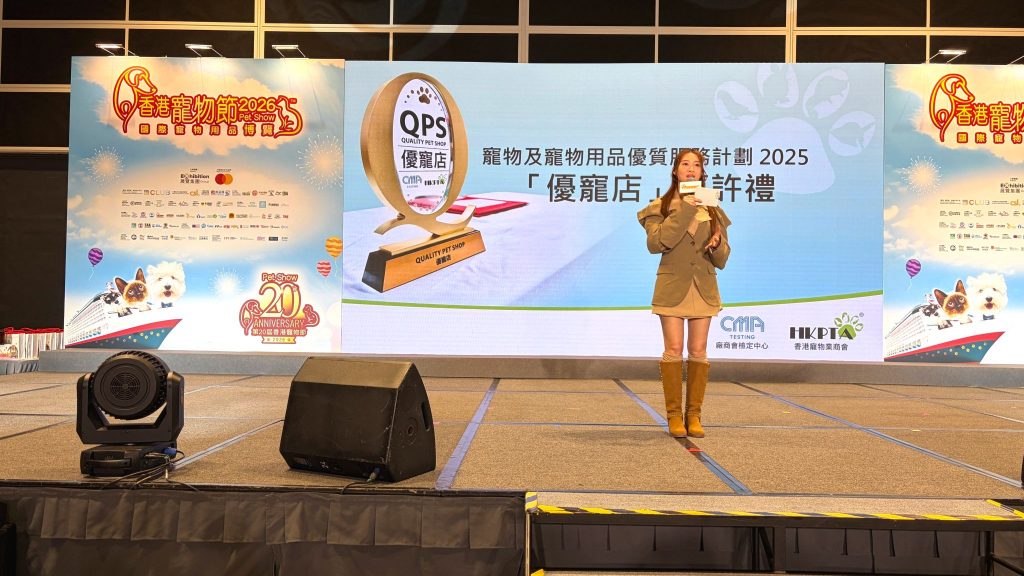
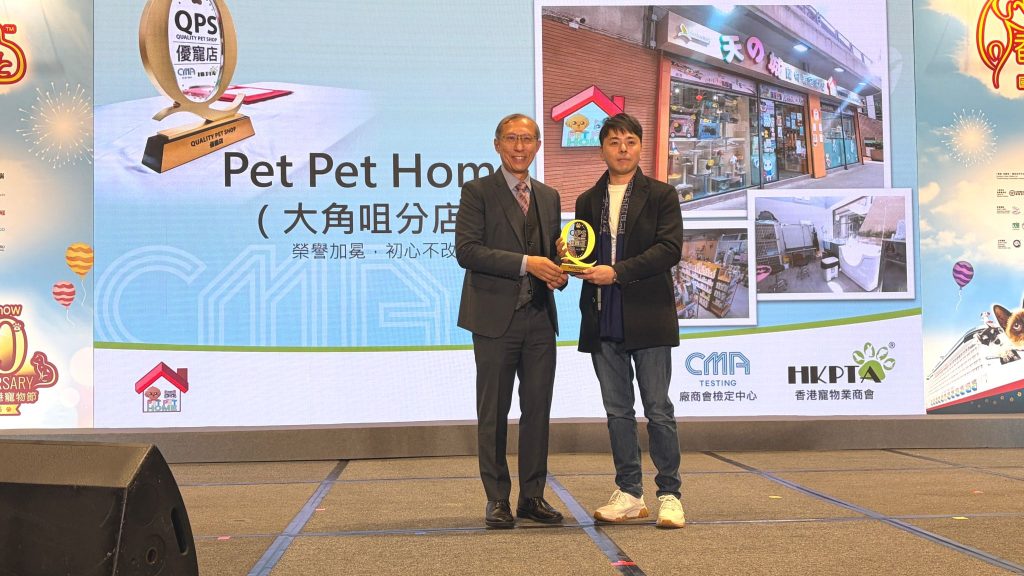
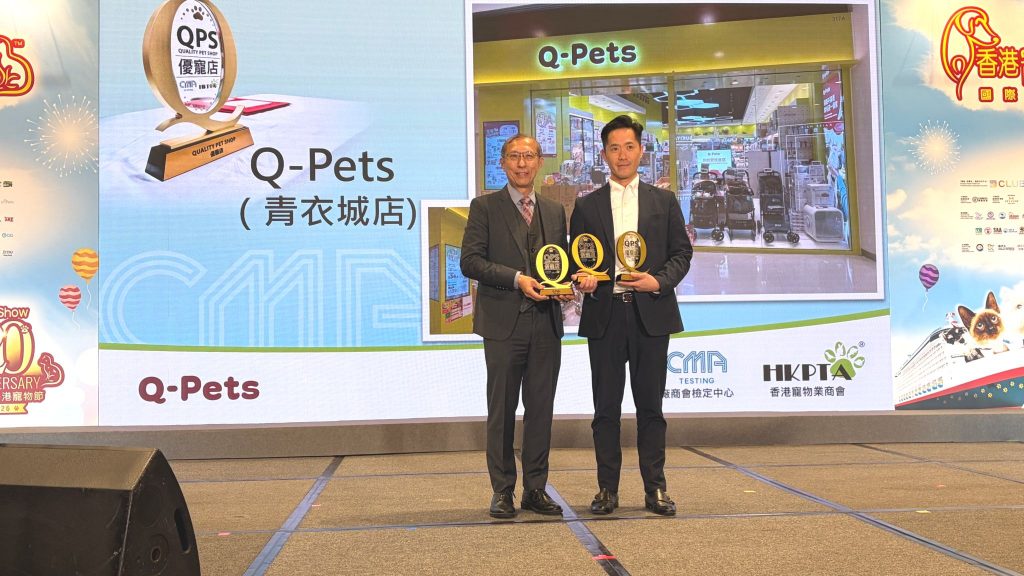
The “Pet and Pet Supplies Quality Service Scheme 2025” award ceremony, organized by the Hong Kong Pet Trade Association (HKPTA), was successfully held on January 29th. CMA Testing was honored to participate and serve as the independent auditing and certification body for the scheme, working hand in hand with the industry to enhance the professional standards of Hong Kong’s pet industry and jointly promote the development of the “pet economy.”
At the event, Ms. Angela Chan, Chairman of Hong Kong Pet Trade Association, and Mr. Dominic Lam, Chief Operations Officer of CMA Testing, delivered speeches, explaining the background and advantages of the scheme. Following this, Mr. Joseph Zhao, Chief Food and Restaurant Audit Officer of CMA Testing, explained the scheme’s content. Joseph, a cat lover himself, shared his personal experience on how CMA Testing’s over ten years of auditing experience in food and beverage hygiene can be brought to the pet industry. From environmental management and staff training to service processes, professional standards ensure that the “Quality Pet Shop” scheme more comprehensively focuses on product quality, customer service, and pet welfare.
Four Audit Scopes and Rating System
The “Quality Pet Shop” certification covers four main areas: store environment, pets and products, employee performance, and service and compliance. During the pilot phase in 2025, CMA Testing visited eight stores of different types and locations, all of which achieved a “Good” rating, demonstrating the feasibility of the program and its high industry standards. On the day of the event, certificates and trophies were officially awarded to the eight stores as recognition!
Looking to the Future: Promoting “Pet-Friendly Venues” Evaluation
The event also deepened the cooperation between CMA Testing and HKPTA. In the future, HKPTA will support CMA Testing’s newly launched “Pet-Friendly Venues” evaluation program, establishing clear standards for restaurants, shopping malls, hotels, and other venues, including zoning management, hygiene and cross-contamination control, pet behavior risk identification, emergency response, and record-keeping requirements. As policies gradually allow pets into more public places, we expect this program to bring more opportunities to the industry and improve the overall pet-friendliness of cities.
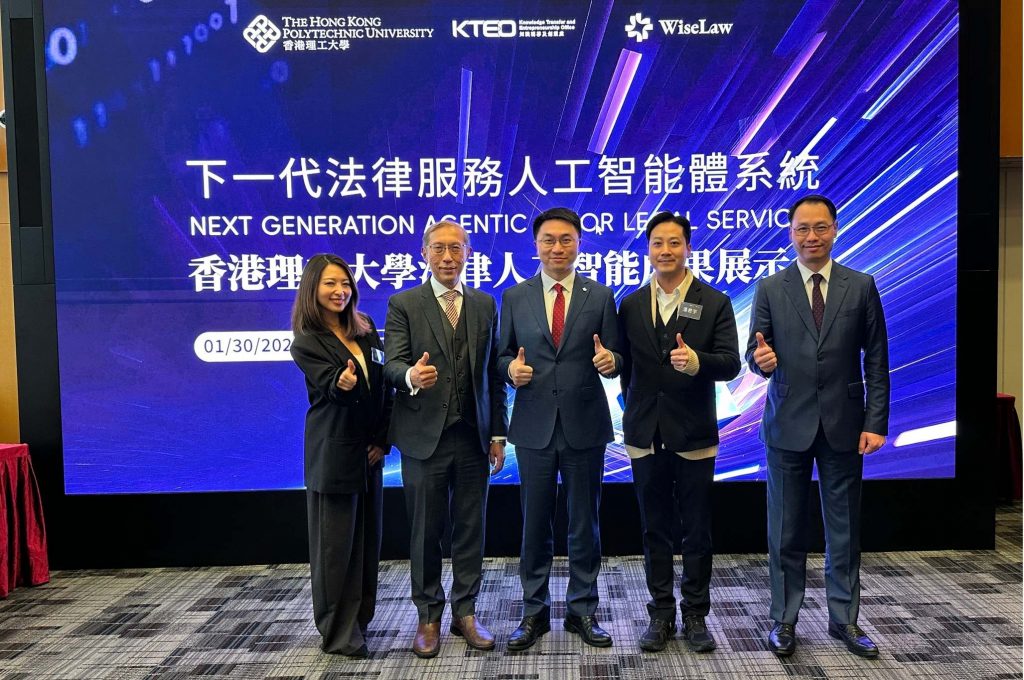
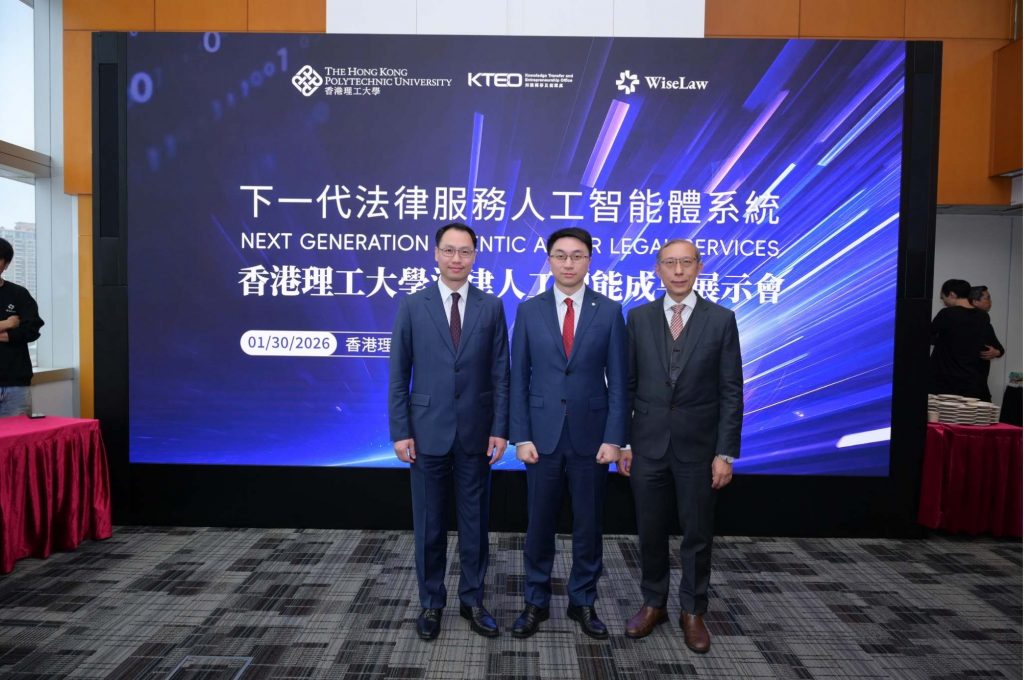
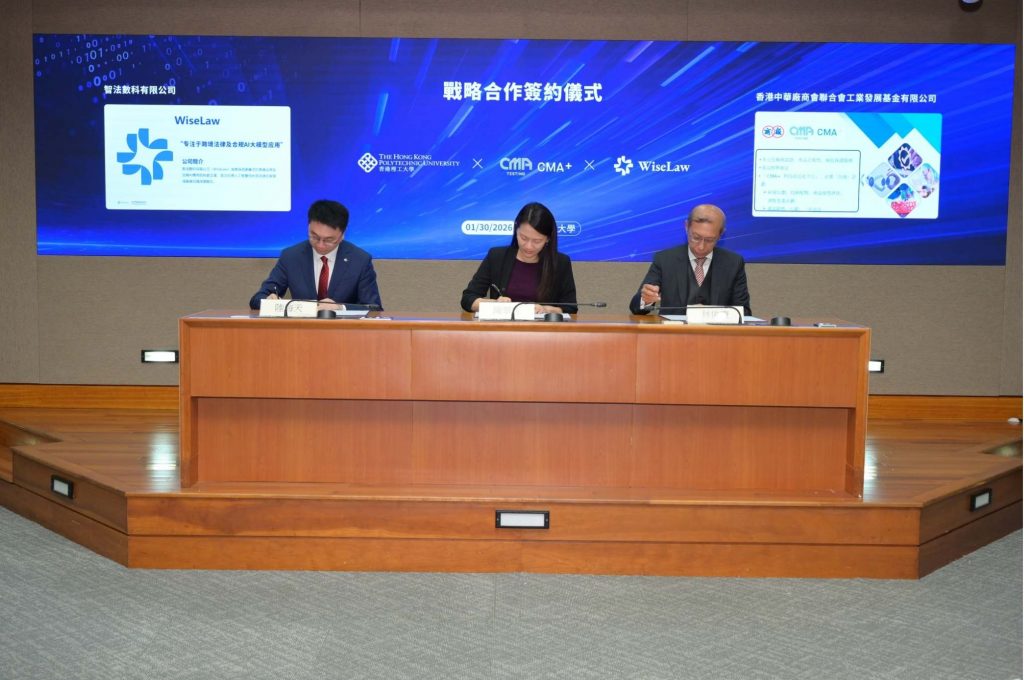
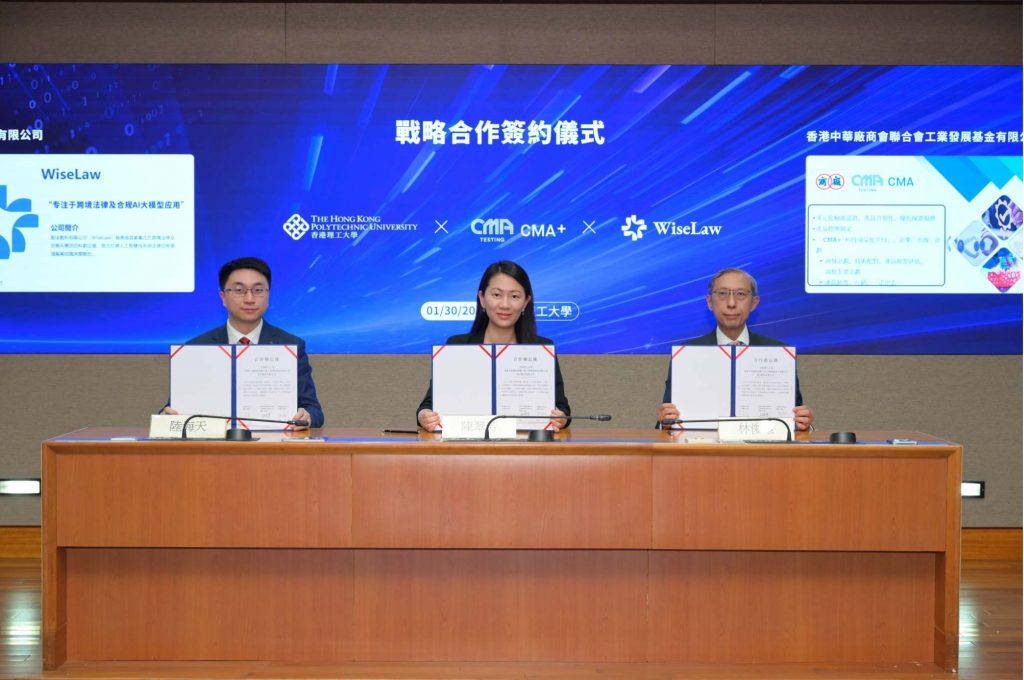
On January 30th, CMA Testing, together with CMA+, participated in the “Hong Kong Polytechnic University 2026 Legal Artificial Intelligence Achievements Exhibition” and signed a tripartite memorandum of understanding with Hong Kong Polytechnic University and WiseLaw Limited. This collaboration aims to integrate top-tier academic research, cutting-edge legal technology, and mature commercialization capabilities to jointly build an innovative cooperation model oriented towards industry support, capacity building, and knowledge dissemination, providing a comprehensive and intelligent support system for Chinese enterprises going global.
This collaboration marks another step forward for CMA+, a subsidiary of CMA Testing, in its strategic layout of building an integrated professional service ecosystem encompassing “business, technology, and law.” Previously, we had established strategic alliances with Yingke Law Firm, Beijing Yingke (Hong Kong) Law Firm, and SESG Enterprise, bringing together professional strengths in the three major areas of business technology, law, and wealth management to form a basic service framework supporting enterprises and talent going global. Now, with the addition of cutting-edge research capabilities from top universities and intelligent solutions from legal technology companies, the platform’s service scope has been further deepened and expanded, providing overseas-bound enterprises with full-chain, customized support from strategic consulting, legal compliance, and technology certification to the commercialization of research results.
In his welcoming address, Professor Christopher CHAO, Senior Vice-President of the Hong Kong Polytechnic University, stated, “Hong Kong, backed by the motherland and connected to the world, possesses the unique advantages of a common law system. Leveraging the power of technology, Hong Kong has the potential to play a significant role in cross-border legal technology innovation. WiseLaw, as a model of industry-academia-research collaboration nurtured by PolyU’s PolyVenture entrepreneurial ecosystem, demonstrates how cutting-edge academic research can be transformed into practical tools to support enterprises going global, vividly embodying PolyU’s innovative culture integrated into the rule of law.”
In his address, Dr. Horace Cheung, SBS, JP, Deputy Secretary for Justice of the Hong Kong Special Administrative Region, emphasized that under the national strategy of high-level opening-up, the Hong Kong legal profession must make good use of technology to improve the efficiency and quality of cross-border legal services. He affirmed the efforts and breakthroughs of PolyU and WiseLaw in promoting legal technology and looked forward to more original Hong Kong legal technology achievements serving the Greater Bay Area and even the world.
In the future, the three parties will rapidly advance specific collaborative projects, focusing on four core areas: overseas legal support and ecosystem empowerment; exploration of co-construction of testing, certification, and compliance intelligence entities; in-depth commercialization of research results and technology transfer; and brand collaboration and marketing activities. The aim is to provide Chinese enterprises going global with practical tools, services, and knowledge outcomes as soon as possible, jointly embracing new opportunities and challenges in the global market.
This collaboration actively responds to the service direction advocated by the Hong Kong SAR Government’s “Mainland Enterprises Going Global Task Force.” The Task Force has emphasized the need to gather comprehensive, customized professional services covering taxation, law, financing, testing and certification, ESG, and intellectual property rights to help enterprises expand into markets such as Southeast Asia and the Middle East. This collaboration among the three parties aims to build a more integrated, intelligent, and market-responsive ecosystem to support businesses going global, providing them with truly one-stop solutions and growth momentum.