







Dragon boats are racing, drums are beating, and the scent of zongzi fills the air – it’s time to celebrate the Dragon Boat Festival!
At CMA Testing, we believe that every festive bite should bring joy, not worry. That’s why our commitment goes beyond the food itself – we also test food-grade packaging materials to ensure safety from the package to the palate. Whether it’s pesticide residues, heavy metals, microbiological contaminants, or packaging compliance, our comprehensive testing services protect every step of the supply chain.
Because true safety means safeguarding both what you eat and what touches it. Wishing you a delicious, joyful, and worry-free Dragon Boat Festival!
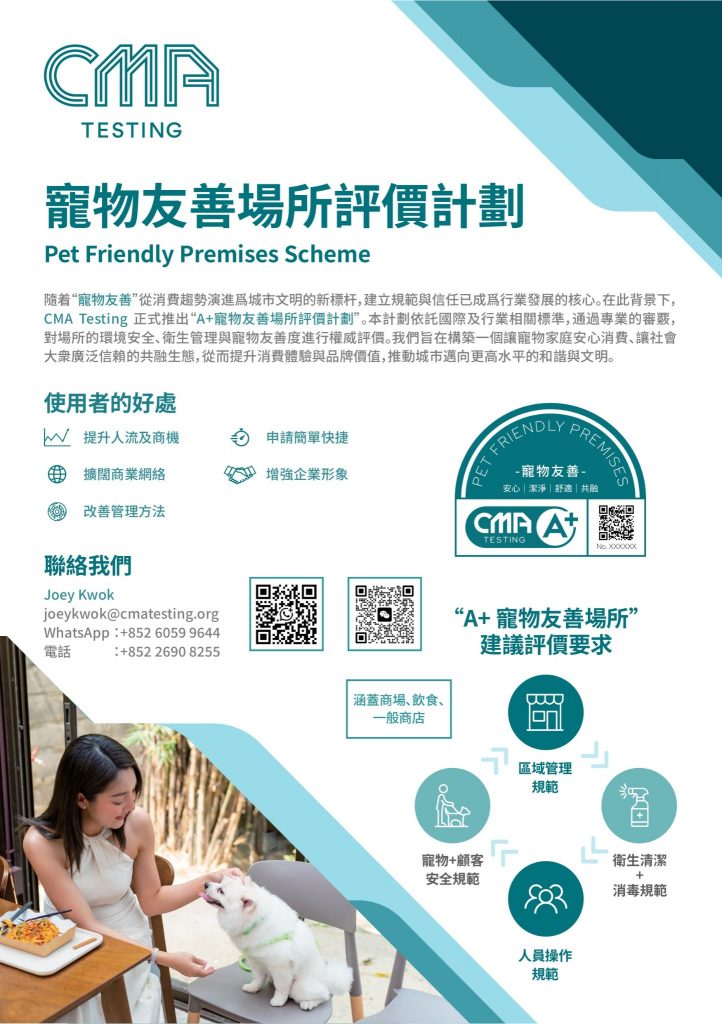
Following the government’s newly announced “Pet-Friendly Dining Scheme,” CMA Testing is proud to launch the “A+ Pet Friendly Premises Evaluation Programme” – an authoritative certification that ensures a safe, hygienic, and welcoming environment for both pets and their owners.
Why join?
- Boost foot traffic and business opportunities
- Simple & fast application
- Expand your business network
- Enhance brand image
- Improve operational management
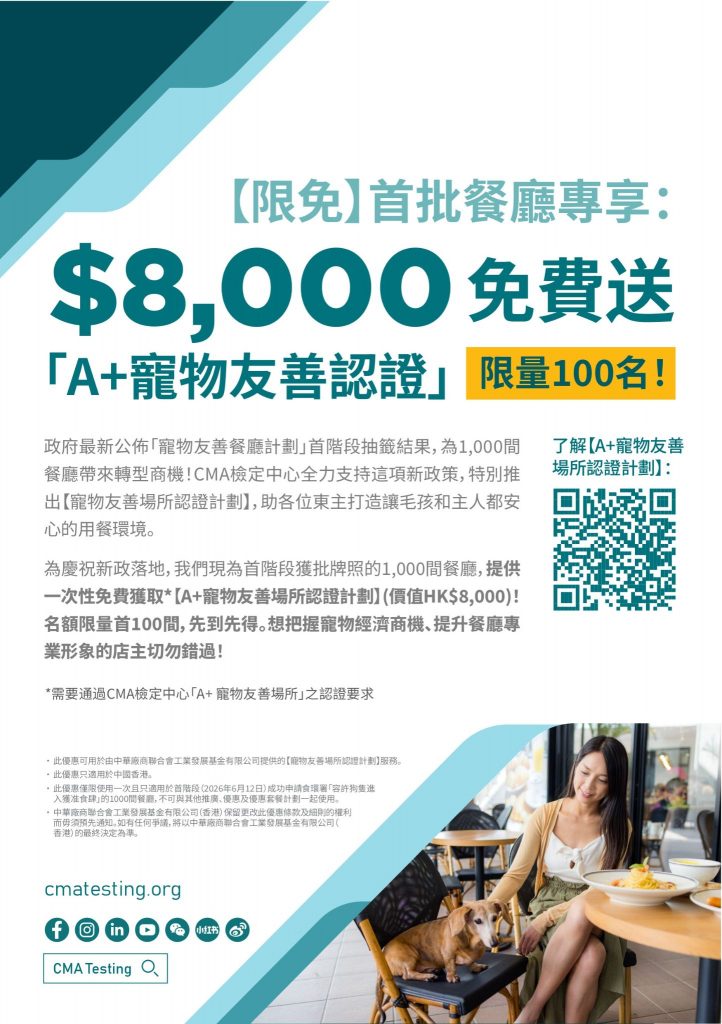
Limited-Time Offer
The first 100 licensed F&B outlets can obtain the “A+ Pet Friendly Certificate” (worth HK$8,000) completely FREE – subject to meeting CMA Testing’s assessment criteria.
Hurry – slots are limited! Secure your certification today and stand out in the growing pet-friendly economy.
Contact
Joey Kwok
WhatsApp:https://wa.link/s3sgi5
WeChat: JKwok_DC5
Tel: +852 2690 8255
Email: joeykwok@cmatesting.org
- This offer is valid for the Pet-Friendly Premises Scheme provided by the Chinese Manufacturers’ Association Industrial Development Fundation Limited.
- This offer is only valid in Hong Kong.
- This offer is valid for one-time use only and applies to the first phase (June 12, 2026) of the 1,000 restaurants that successfully applied for the Food and Environmental Hygiene Department’s “Allowing Dogs to Enter Approved Restaurants” certification. It cannot be combined with other promotions, offers, or special offer packages.
- The Chinese Manufacturers’ Association Industrial Development Fundation Limited (Hong Kong) reserves the right to amend these terms and conditions without prior notice. In case of any dispute, the final decision of the Chinese Manufacturers’ Association Industrial Development Fundation Limited (Hong Kong) shall prevail.
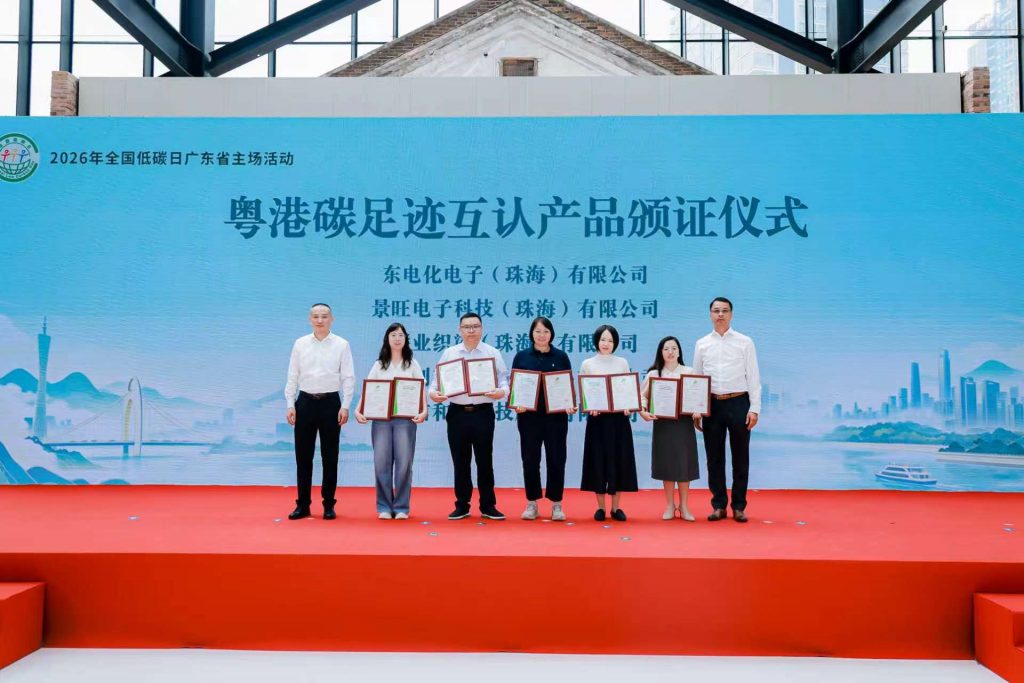
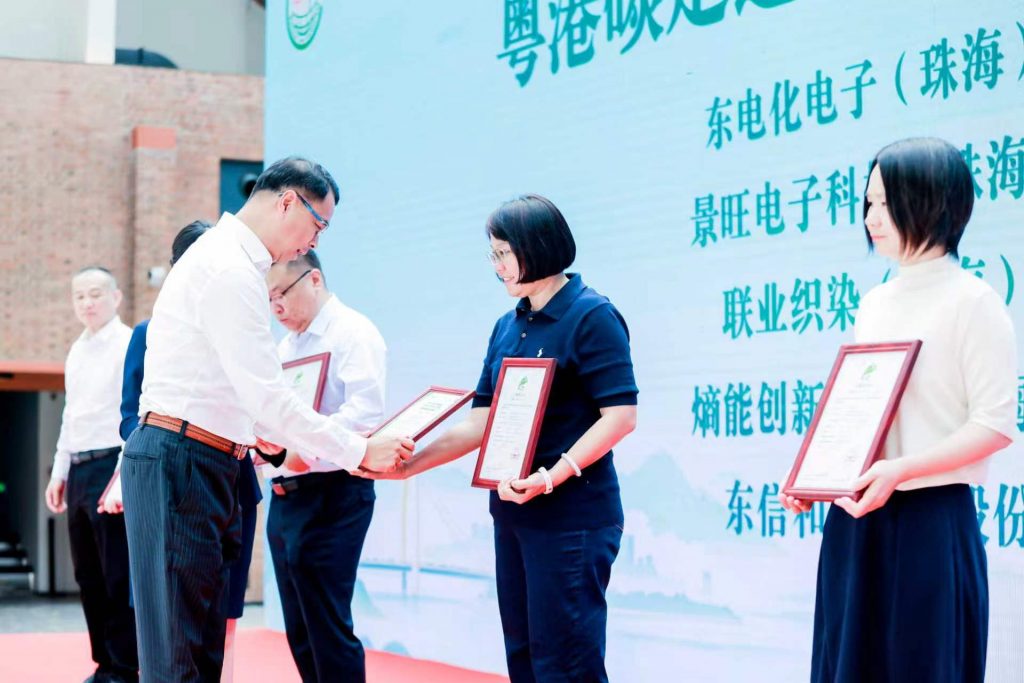
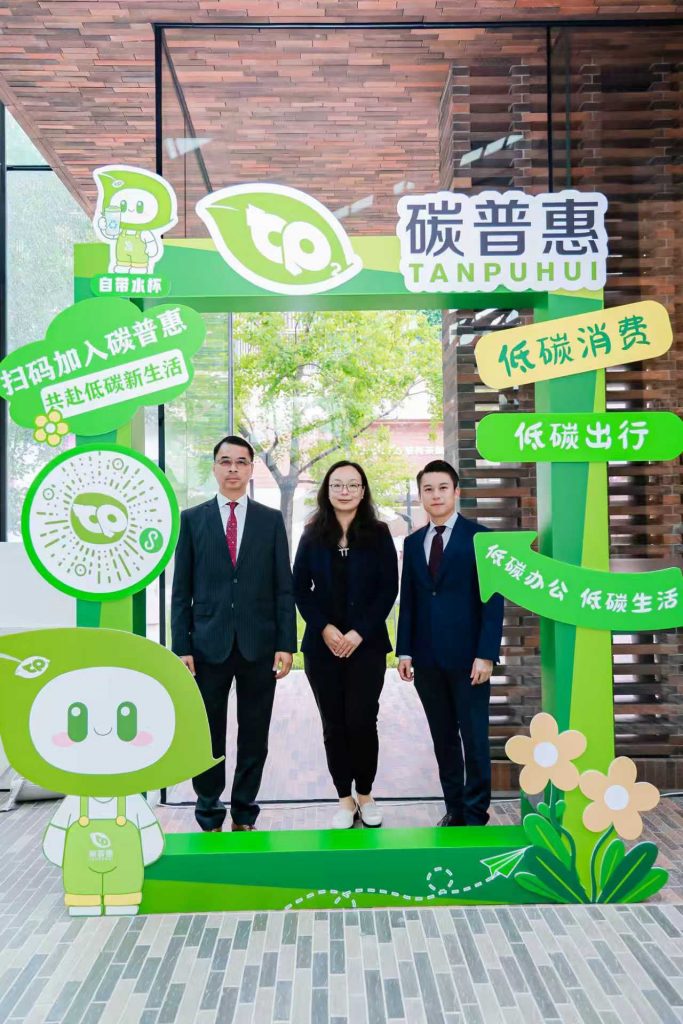
CMA Testing was recently invited to the 2026 National Low-Carbon Day Guangdong Provincial Main Event, where we joined China Quality Certification Centre as a co-presenter of certificates to companies awarded the Guangdong-Hong Kong Carbon Footprint Mutual Recognition. Our Chief Operations Officer, Mr. Kent Yau, attended the ceremony to witness the collaborative carbon-reduction achievements across the regions.
As an independent professional testing and certification body, CMA Testing offers a comprehensive suite of environmental and sustainability services, including:
- Carbon Management: ISO 14064-1 (Organizational GHG Inventory), ISO 14064-3 (Validation & Verification), ISO 14067 (Product Carbon Footprint)
- Local Carbon Audits and Energy Audits
- ESG Performance Certification and Customised Solutions
- Green Finance and Sustainability Assurance (ISAE 3000 + ISSA 5000)
Whether you are preparing for carbon inventory or seeking ESG consultancy, CMA Testing can tailor solutions to elevate your environmental performance and achieve sustainability goals.
Contact us today:
Tel: +852 9633 2337
Email: candywong@cmatesting.org
WhatsApp: https://wa.link/lyarqx
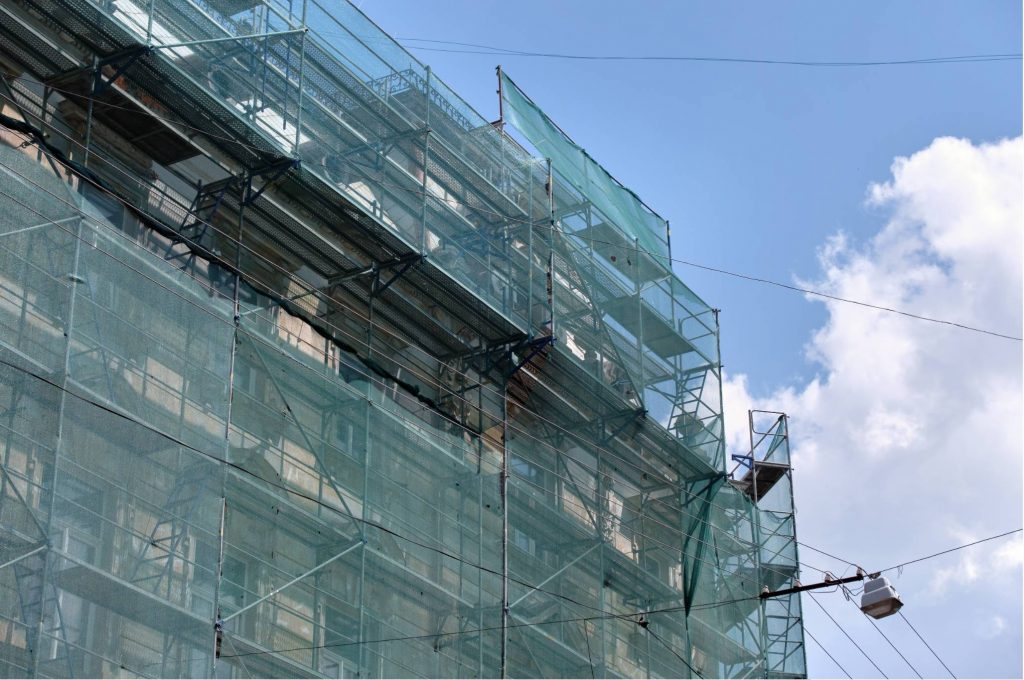
According to the Hong Kong Buildings Department’s Practice Note 85, protective materials (such as safety nets, protective sheeting, etc.) installed on building scaffolding for construction works must have flame retardant performance that complies with recognized standards. Registered contractors are required to take samples as specified and submit them to a laboratory that is designated by the government and accredited by the Hong Kong Laboratory Accreditation Scheme (HOKLAS) or a mutually recognized body.
CMA Testing’s Accredited Testing Capabilities:
· GB 5725-2009 Clause 5.2.2.9 – Flame retardant performance of safety nets (test method: GB/T 5455)
· GB 5725-2009 Clause 5.1.12 – Flame retardant performance of safety nets (test method: GB/T 5455)
· GB 5725-2025 Clauses 5.5.2 & 5.5.3 – Flame retardant performance of safety nets (test method: GB/T 5455)
· BS 5867-2:2008 (Type B performance requirements) – Flame retardant performance test for curtains and drapery fabrics
Ensuring test results comply with relevant standards and regulatory requirements.
All protective nets, protective sheets, tarpaulins, or plastic sheets installed to cover external walls shall have appropriate flame retardant characteristics and meet recognized standards.
Applicable Product Categories
· Construction dust protection safety nets (close-mesh type)
· Load-bearing safety nets (horizontal nets / vertical nets)
· Tarpaulins and canvas fabrics
CMA Testing provides a full range of testing services to help you ensure product safety and compliance from the source.
Contact us: 2698 8198
WhatsApp: https://wa.link/uqvhgn
Email: evakung@cmatesting.org
On May 7, 2026, the Hong Kong Food and Environmental Hygiene Department (FEHD) officially announced a highly anticipated policy adjustment—starting May 18, restaurants can apply to allow dogs to enter, with implementation expected in July this year. This announcement marks a historic shift from Hong Kong’s over 30-year-old “dog ban” on restaurants. For many pet lovers and the catering industry, this presents both an opportunity and a new management challenge.
As a third-party testing and certification organization, CMA Testing is launching the “Pet-Friendly Venue Evaluation Scheme” to help venues achieve harmonious coexistence between humans and pets using professional standards. The following is a summary of the policy details and professional solutions.
How to Apply
Restaurants wishing to allow dogs to enter must submit their applications electronically through the Hong Kong FEHD’s dedicated website between May 18 and June 8, 2026. The initial quota is capped at 1,000; if applications exceed the quota, the Food and Environmental Hygiene Department will allocate quotas by lottery. Upon approval, the licensee must pay HK$140 to complete the license amendment.
Eligibility Requirements and Application Qualifications
Not all Hong Kong restaurants are eligible to apply. Applicants must meet the following basic requirements:
Hold a valid official license: This is the most basic entry threshold.
Operating area greater than 20 square meters: To ensure spatial comfort and safety for both people and dogs.
The following types of restaurants are not currently accepting applications: hot pot restaurants and barbecue restaurants (including teppanyaki, Korean barbecue, etc.). The main consideration is that these operations involve open flames and high temperatures, which may pose a safety hazard to dogs. Furthermore, approved restaurants are prohibited from cooking or heating food at any seating area at any time.
Implementation Timeline
To assist the industry in a smooth transition, the Food and Environmental Hygiene Department (FEHD) has established a clear timeline:
May 11, 12, 13, and 28: Four briefing sessions (simultaneously online and offline) have been held to introduce the regulatory requirements and application process.
Mid-June: Announcement of the first batch of approved restaurants.
Within July: Officially taking effect on a designated date (the specific date is subject to official announcement). Before this effective date, only guide dogs and working dogs are allowed in restaurants.
It is worth noting that if an approved restaurant violates regulations three times within one year, its permit will be revoked, and it will be prohibited from reapplying for one year. However, this will not affect its existing restaurant license. This mechanism aims to encourage operators to continue to assume management responsibility.
Operating Rules and Compliance Requirements
In addition to the application qualifications, restaurants must also comply with a set of specific operating regulations:
Leash Control: Dogs entering restaurants must be securely leashed by an adult at all times using a leash no longer than 1.5 meters, or tied to a fixed attachment.
Dog Category Restrictions: “Fighting dogs” or “known dangerous dogs” (such as Pit Bull Terriers, Argentine Dogos, etc.) are prohibited.
Food Safety Requirements: Cooking or preparing dog food is prohibited in restaurants. Only pre-packaged dry dog food and canned food may be provided or sold. Dogs are not allowed on the dining table. Dogs are not permitted to use reusable tableware in the restaurant.
These regulations serve as a safety measure for both dog owners and restaurant operators: operators who knowingly fail to prevent customers from violating these regulations may also face legal liability.
CMA Testing: Safeguarding “Pet-Friendly” Practices with Professional Standards
The policy opening means the catering industry is entering a new consumption scenario, but “allowing entry” does not equate to “truly pet-friendly.” True pet-friendliness requires answering a series of professional questions:
- Where do pets enter from? Which areas are they allowed to stay in?
- How is excrement disposed of? How is cross-contamination prevented?
- How are conflicts or low-probability events between pets handled promptly?
The answers to these questions form the core of CMA Testing’s “Pet-Friendly Venue Evaluation Program.” This program, based on international and industry standards, conducts authoritative evaluations of venues’ environmental safety, hygiene management, and pet-friendliness through professional audits. The evaluation covers multiple professional dimensions, including:
- Zoning and Safety Standards: Clearly delineating pet activity areas from non-pet areas to ensure a positive experience for all customers;
- Hygiene and Cross-Contamination Control: Standardizing cleaning and disinfection processes, ensuring separate handling of human and pet food utensils to eliminate hygiene hazards;
- Emergency Response Mechanisms: Whether the venue has established emergency plans for pet fights, accidental injuries, or bites;
- Document Records and Traceability: Maintaining cleaning records, training attendance sheets, and customer complaint data for continuous management optimization.
CMA Testing is now systematically applying internationally recognized service evaluation methodologies to the emerging consumer scenario of “pet-friendly.” We aim to build an inclusive ecosystem where pet-friendly families can patronize with peace of mind and where the general public can widely trust us, thereby enhancing the consumer experience and brand value, and promoting a higher level of harmony and civilization in cities.
Source:
Related press release from the Hong Kong Food and Environmental Hygiene Department
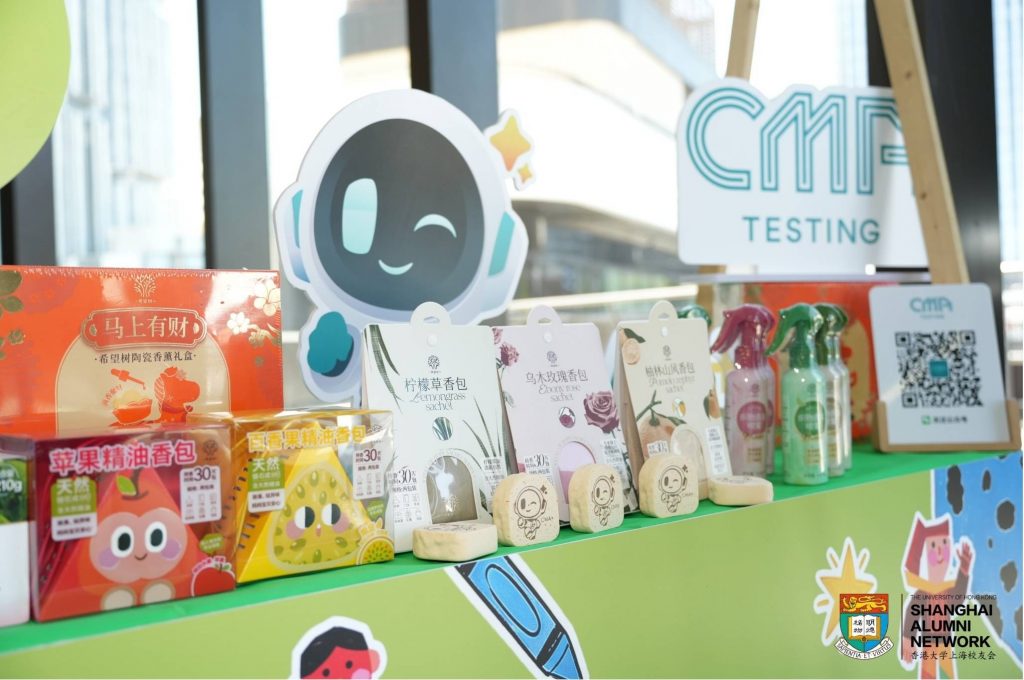
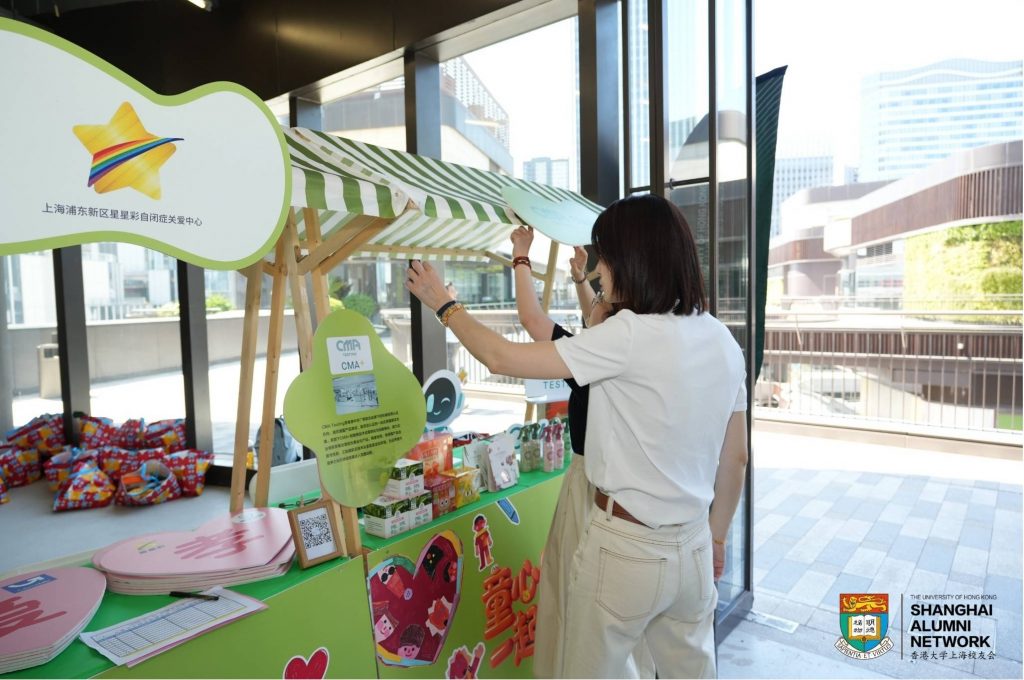
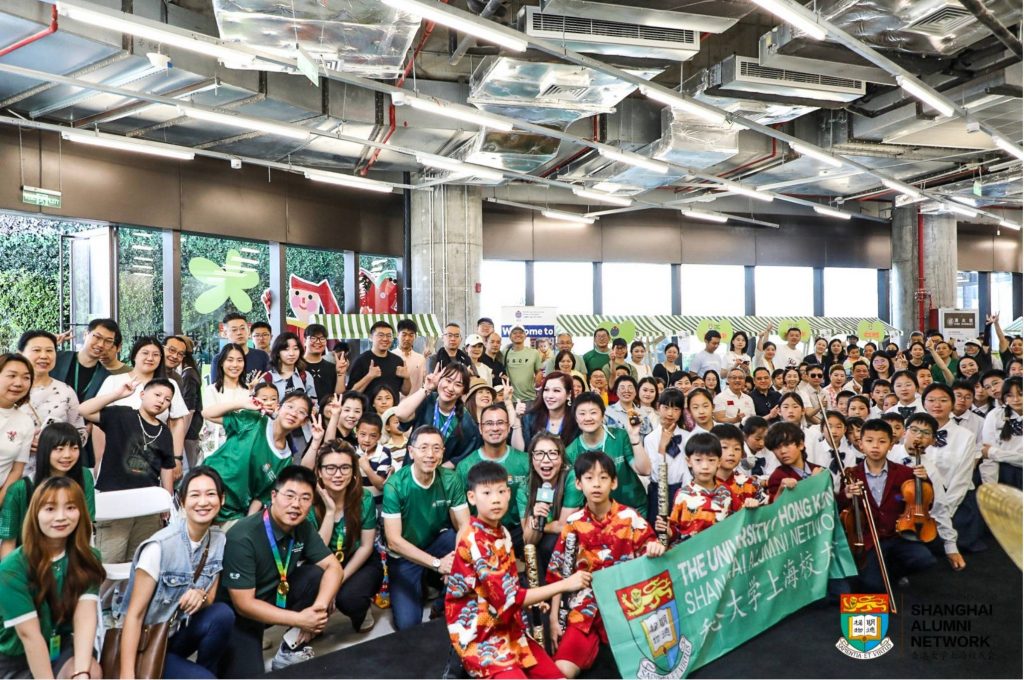
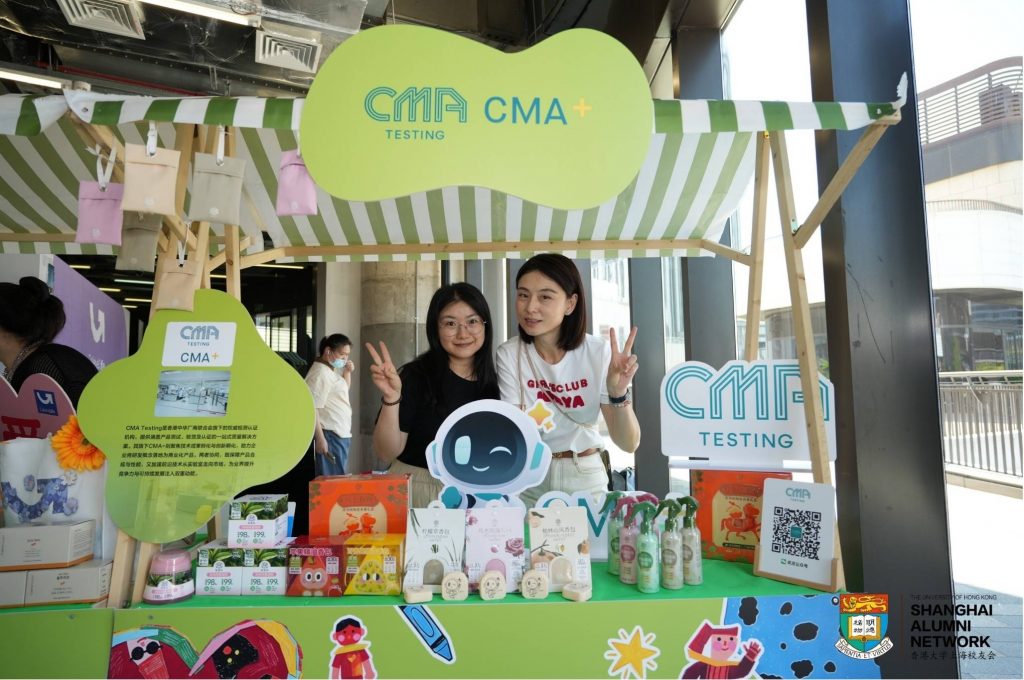
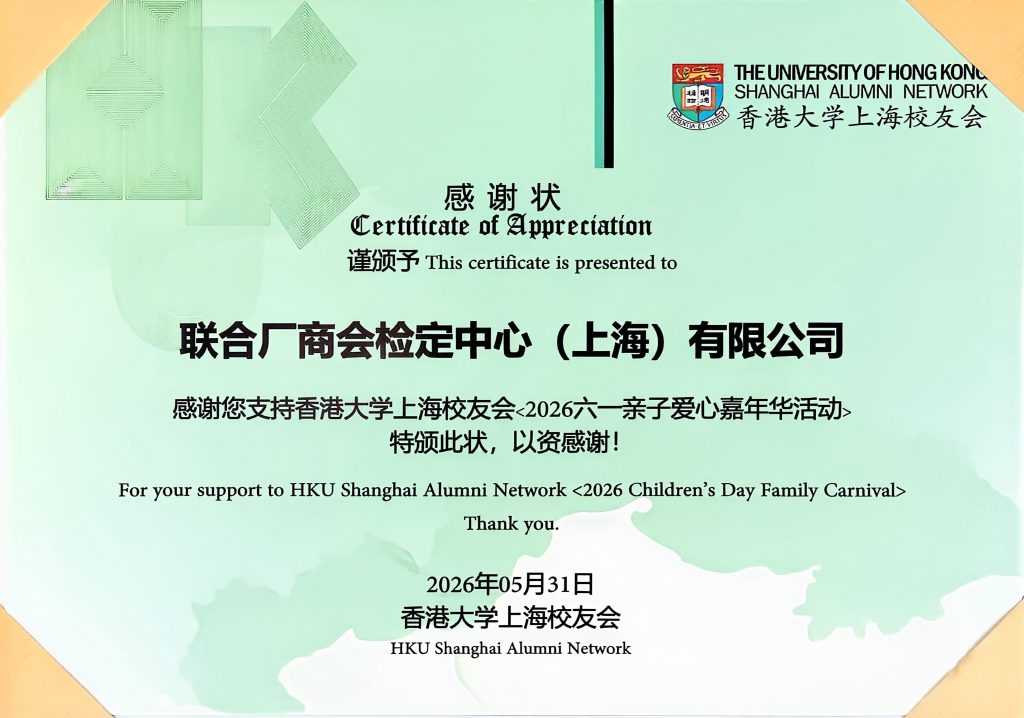
On May 31, the day before International Children’s Day, the second HKU Shanghai Alumni Association Children’s Day Charity Carnival warmed hearts at Shanghai Qiantan Taikoo Li. As one of the sponsors, CMA Testing & CMA+ had the privilege of participating in this charity event themed “Childlike Hearts Together, Growing as One,” joining many caring organizations, charity groups, alumni families, and volunteers in creating memories filled with love and companionship.
A Heartfelt Setup
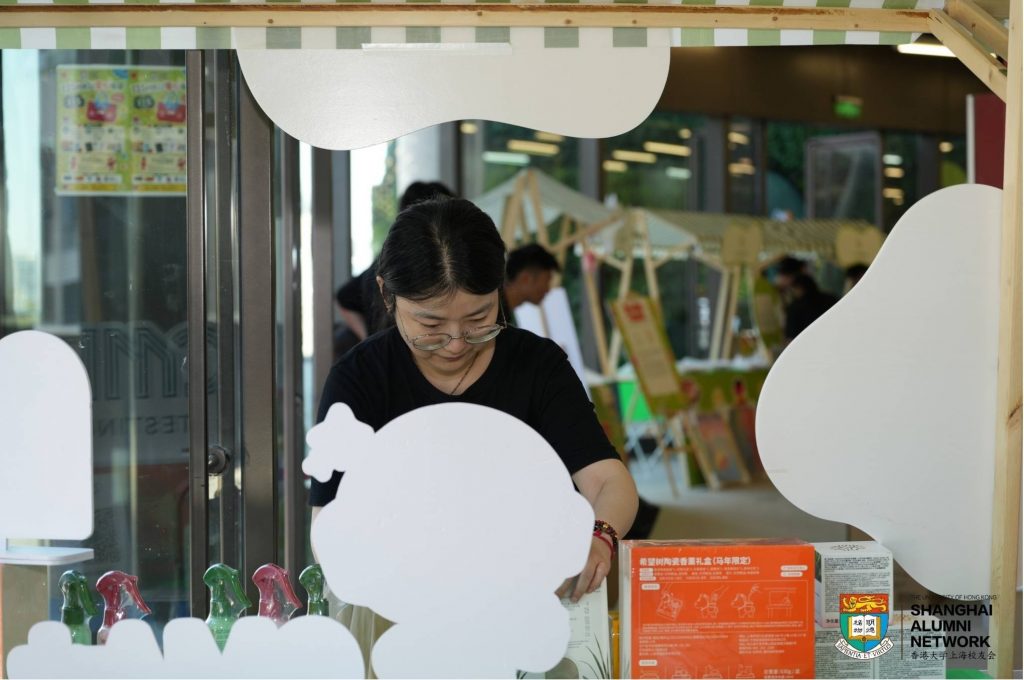
Early that day, our team arrived on site to lovingly set up our small charity booth. In addition to Dr.A+ series souvenirs, we specially featured brand-new fragrance products from the “Hope Tree” brand — with their fresh scents and warm packaging, they seemed to whisper our understanding of charity: charity doesn’t have to be grand; it can be a tangible gesture, a comforting fragrance.
When Charity Becomes Tangible and Experiential
The event featured charity exhibitions, a charity bazaar, children’s creative DIY activities, gourmet experiences, live music performances — every segment transformed charity from an abstract concept into concrete action. At that moment, charity was no longer a distant call, but a warmth held in the palm, a smile upon the face.
CMA Testing & CMA+ has always believed that a company’s value lies not only in providing professional services but also in the warmth of giving back to the community. Our sincere thanks to the HKU Shanghai Alumni Association for their thoughtful organization, to the “Hope Tree” brand for their enthusiastic response, and to every child and adult who stopped by our booth. We look forward to seeing you again soon~
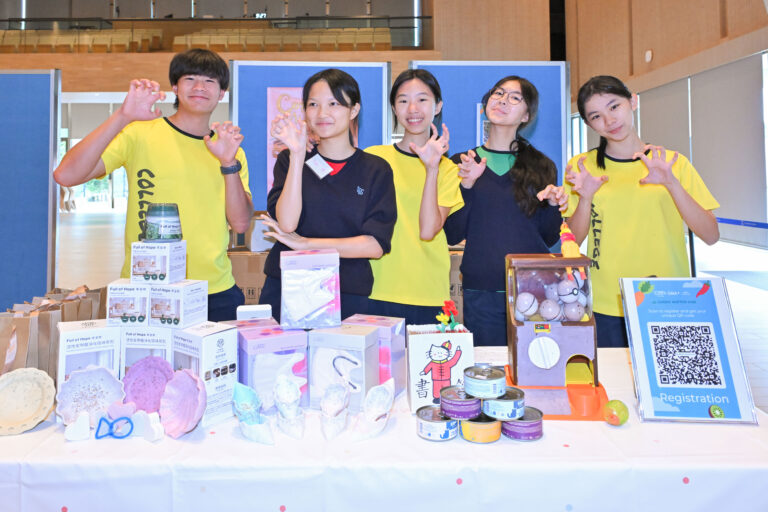
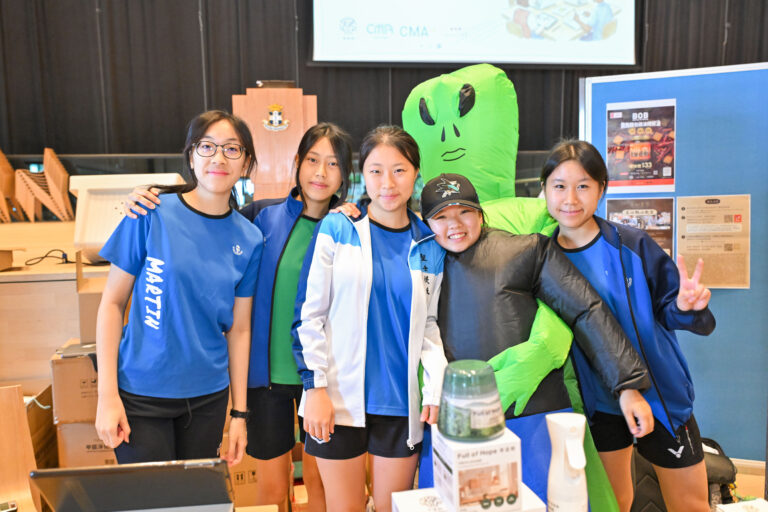
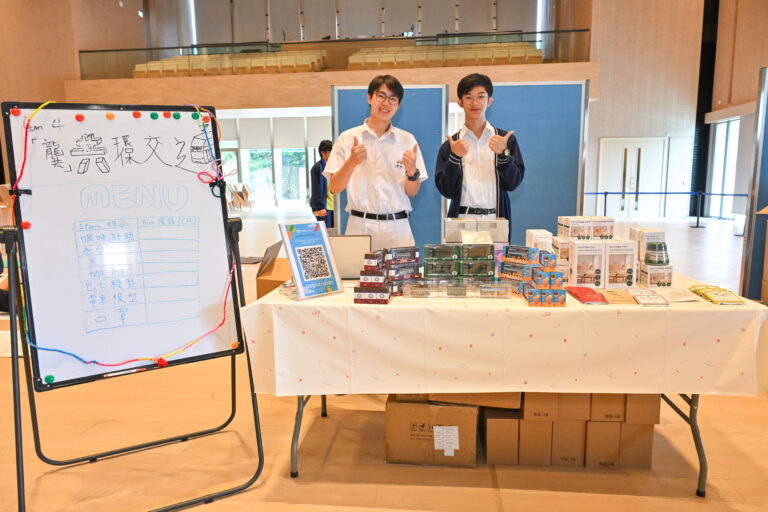
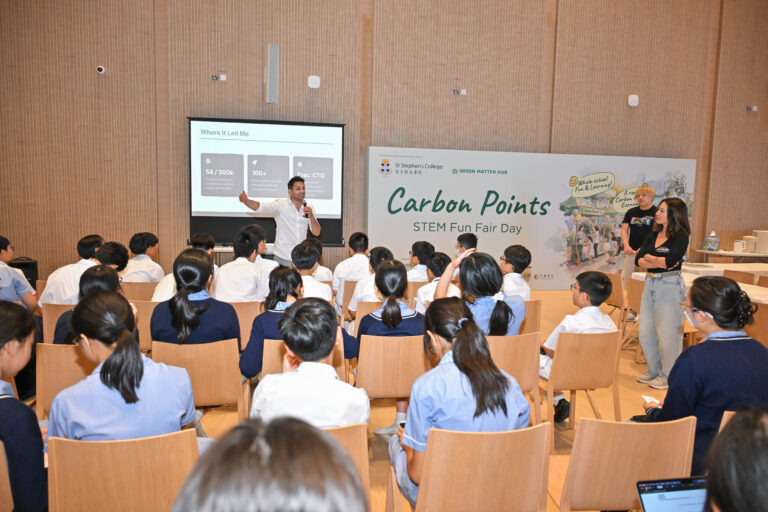
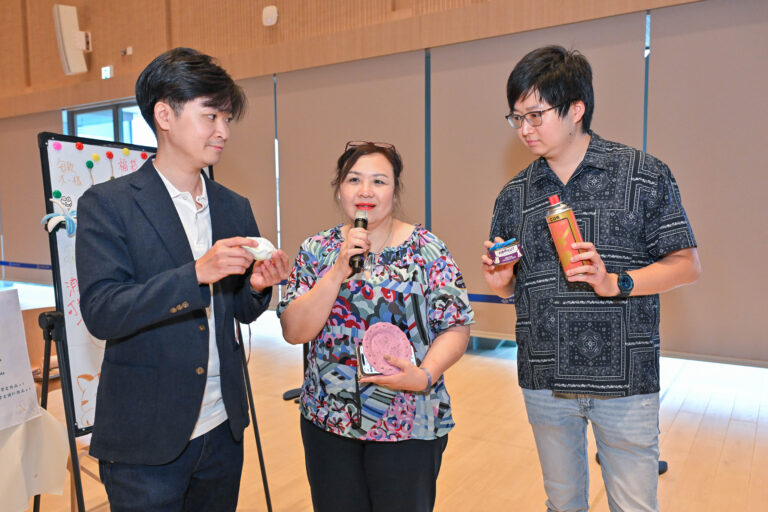
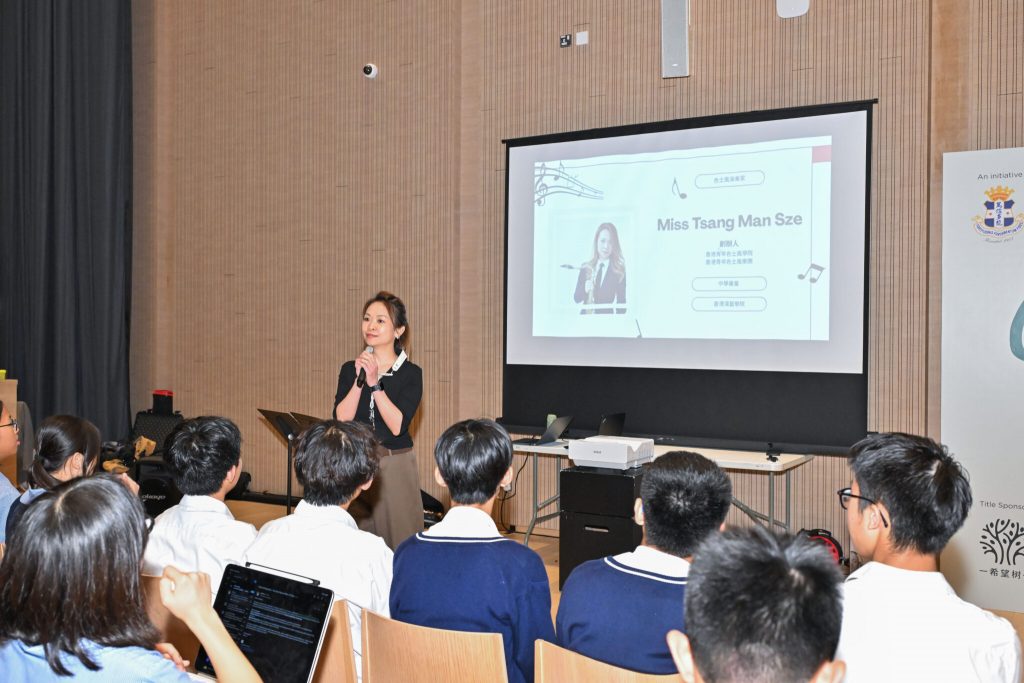
On the event day, St. Stephen’s College was transformed into a vibrant green marketplace. Student teams designed and decorated four interactive booths, simulating real retail store environments to promote and sell green, ESG-focused products — such as formaldehyde-removing products from Full of Hope, which were very well received. All transactions were completed instantly using “Carbon Points” — created by Green Matter Hub’s innovative platform and verified by third-party laboratory CMA Testing. 🎉
🌱 CMA Testing’s role: Third-party verification of carbon points + hands-on workshops + training student teams to run their booths
🎪 Event highlights:
Over 300 students and teachers participated, with four student-led booths allowing everyone to redeem various green products using Carbon Points
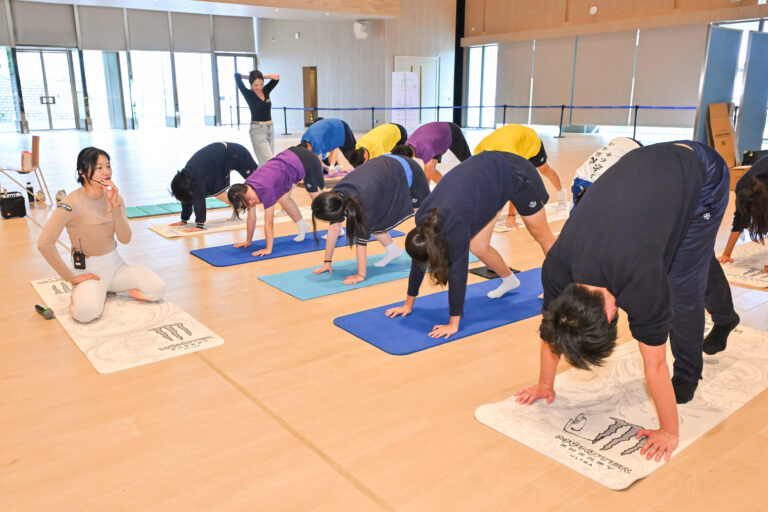
Diverse workshops spanning tech, wellness, entrepreneurship, and music: running, yoga, tea appreciation, startup sharing, art-tech… Students learned while having fun, enriching their after-school lives!
From booth setup and product presentation to carbon point management, students sharpened practical skills including communication, teamwork, creativity, and event planning
🏆 Through this initiative, St. Stephen’s College continues to create authentic learning opportunities that connect students with social enterprises, making education both interesting and meaningful!
Carbon points don’t just cut emissions — they build a stage for tomorrow’s leaders to dream and do 💚







Author: Ronald Lui; Proofread by Ryan Lau
Summary
- Performance-based verification confirms that buildings support real occupant health and well-being, not just design intent.
- WELL Certification focuses on measurable indoor environmental quality across air, water, lighting, acoustics and thermal comfort.
- Independent on-site testing is a core requirement of WELL Certification and recertification processes.
- Third-party verification helps identify operational gaps early and provides credible evidence for certification and ongoing building performance.
Accurate testing and verification improve transparency, occupant confidence and long-term building resilience.
Global attention on healthy, resilient and human-centric buildings is accelerating, and building owners are increasingly required to demonstrate, with data, that indoor environments genuinely support occupant health and well-being. Performance-based standards like the WELL Building Standard respond to this shift by coupling design intent with rigorous, third-party on-site testing of real operating conditions. For organisations in Hong Kong and the region, WELL has become a key benchmark for health-focused buildings, reshaping expectations around indoor environmental performance, transparency and independent verification.
WELL is useful because it translates broad health goals into measurable building conditions. Rather than relying only on design documents, it checks whether the occupied space actually performs as intended for air, water, light, sound and thermal comfort.
WELL Standard introduction
The WELL Building Standard, now most commonly implemented as WELL v2, is a global, performance-based framework for designing, operating and certifying buildings that support human health and well-being. It is administered by the International WELL Building Institute (IWBI) and certified through Green Business Certification Inc. (GBCI), with requirements organised around measurable outcomes rather than purely prescriptive design rules. WELL v2 builds on the earlier WELL v1 approach and expands the certification structure into concepts such as Air, Water, Light, Thermal Comfort, Sound, Materials, Mind, Community and Movement.
A defining feature of WELL is performance verification. After design and construction, a trained WELL Performance Testing Agent performs on-site testing and visual inspections to confirm that measured indoor conditions meet WELL’s health-based criteria. The WELL Performance Verification Guidebook standardises test methods, sampling strategies, measurement equipment requirements and reporting expectations, so results are comparable across markets and project types.
When performance testing is required
For WELL v2 certification, performance testing is required wherever a feature uses a performance-test verification pathway. In other words, projects cannot substitute self-collected measurements for these features unless the specific feature explicitly allows another method such as sensor data or documentation-based evidence. This is why performance testing is a core part of WELL certification, not an optional add-on.
For WELL Ratings and recertification, on-site testing is also required for features that specify performance testing, and results must be submitted during the relevant review cycle. Some WELL Ratings features allow sensor data instead of performance testing, but that exception applies only where the standard explicitly permits it. In practical terms, any project pursuing WELL through the performance-test route needs to plan early for an approved Performance Testing Provider, especially when the project seeks certification, renewal or portfolio-wide consistency.
Why verification matters
WELL performance testing is important because it checks real environmental conditions, not just design intent. Buildings can look compliant on paper while still failing in operation due to poor maintenance, user behaviour, system drift or unanticipated site conditions. Third-party testing reduces this gap by giving project teams and reviewers objective evidence that the building is performing as expected.
A robust verification process delivers several benefits. It provides proof that health-focused strategies, such as filtration, water treatment, lighting controls or acoustic treatments, are functioning properly under normal use. It also identifies performance gaps early, allowing targeted corrective action before certification or renewal decisions are made. Just as important, it creates a repeatable evidence base that can support portfolio benchmarking and ongoing building operations.
Technical focus areas
Air quality
Indoor air quality is one of the most scrutinised WELL areas because it has a direct link to respiratory health, comfort and cognitive performance. WELL performance testing may include formaldehyde, volatile organic compounds, PM2.5, PM10 and ozone, depending on the feature requirements and project conditions. Testing is usually conducted at representative locations under normal operating conditions so the results reflect actual occupant exposure.
Technical accuracy matters here because pollutant levels can be influenced by ventilation rates, filtration, outdoor air infiltration and indoor source control. A good testing programme therefore does more than take a reading; it confirms that the building’s air delivery and control strategy work in practice.
Water quality
Water quality verification typically involves point-of-use sampling and laboratory analysis for microbiological and chemical indicators. Common parameters include coliforms, turbidity and disinfectant-related factors, depending on the WELL feature being pursued. Sampling must be handled carefully, because improper collection or transport can affect results and create uncertainty.
This part of WELL is especially relevant in buildings with central treatment systems, long pipe runs or variable local supply conditions. Testing confirms that the water actually available to occupants meets the expected quality threshold and that the building’s treatment or distribution systems are working properly.
Thermal comfort
Thermal comfort verification checks whether occupants are likely to experience stable, acceptable conditions in normal use. Measurements commonly include dry-bulb temperature, mean radiant temperature and relative humidity, with results interpreted against comfort models such as PMV and related indices. These variables help show whether HVAC systems are balanced and operating as intended across occupied zones.
This is a practical area because thermal complaints often come from localised issues rather than a single building-wide fault. WELL testing can reveal uneven temperature distribution, control instability or settings that are technically acceptable but uncomfortable in use.
Acoustics
Acoustic performance is central to concentration, privacy and stress reduction in workplaces and public buildings. WELL verification commonly covers background noise, reverberation time and sound insulation, depending on the feature and space type. The aim is not only to reduce excessive noise but also to make spaces usable for speech, focus and rest.
Acoustic testing needs proper equipment, calibrated procedures and careful site interpretation because results can vary significantly between rooms and occupancy states. In open-plan offices or mixed-use buildings, this kind of testing helps identify whether the acoustic design is actually performing as intended.
Lighting
Lighting performance in WELL extends beyond simple brightness. It may include visual lighting checks, circadian-related metrics and other measurements that confirm the space supports both task performance and occupant well-being. The key idea is that light should be measured in the occupied environment, not assumed from design specifications alone.
This makes lighting verification especially relevant for buildings that use daylighting strategies, automated controls or layered lighting systems. WELL testing helps confirm that the system delivers useful light levels while supporting visual comfort and, where relevant, circadian intent.
Role in certification
Within the WELL certification process, performance testing sits between documentation review and final verification. The project team first submits design and policy documentation, then the on-site performance tests confirm whether the building meets the operational criteria required for certification. If measurements fail to meet the threshold, the project may need corrective action and retesting before certification can proceed.
The Performance Testing Provider is therefore the independent technical party that turns WELL from a document-based system into an evidence-based one. It coordinates sampling, executes tests, maintains quality control and submits results through the correct WELL workflow. This role is critical because WELL certification depends not only on what was designed, but on what the building actually delivers in use.
CMA Testing’s role
CMA Testing is officially accredited as a WELL Performance Testing Provider through IWBI and GBCI. This means CMA Testing is authorised to conduct the on-site performance verification required for projects pursuing WELL Certification, supported by a team that includes WELL APs and WELL Performance Testing Agents. As a result, CMA Testing can help projects complete the technical verification stage in a way that is aligned with WELL’s quality and independence requirements.
In practice, CMA Testing’s role is to provide the technical testing backbone of the certification process. That includes air, water, thermal comfort, acoustics and lighting measurements, along with the documentation and quality controls needed for GBCI review. Its contribution is best understood as independent assurance: helping project teams demonstrate, with credible evidence, that the building’s health-focused design is working in real life.
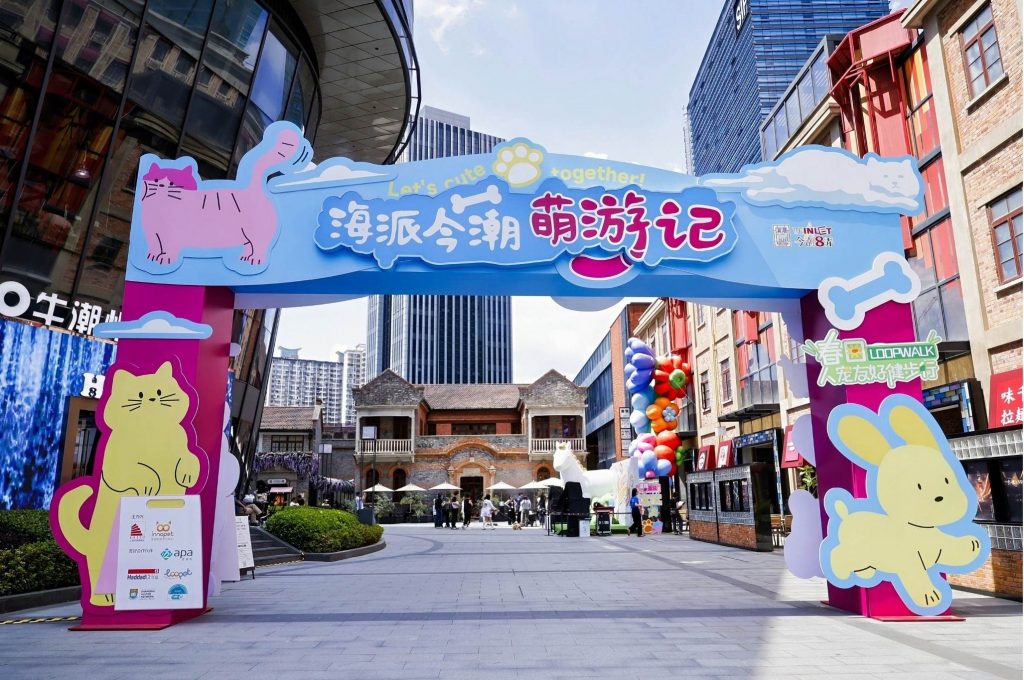
On May 16th, at The Inlet in Shanghai’s Hongkou district, the weather was sunny.
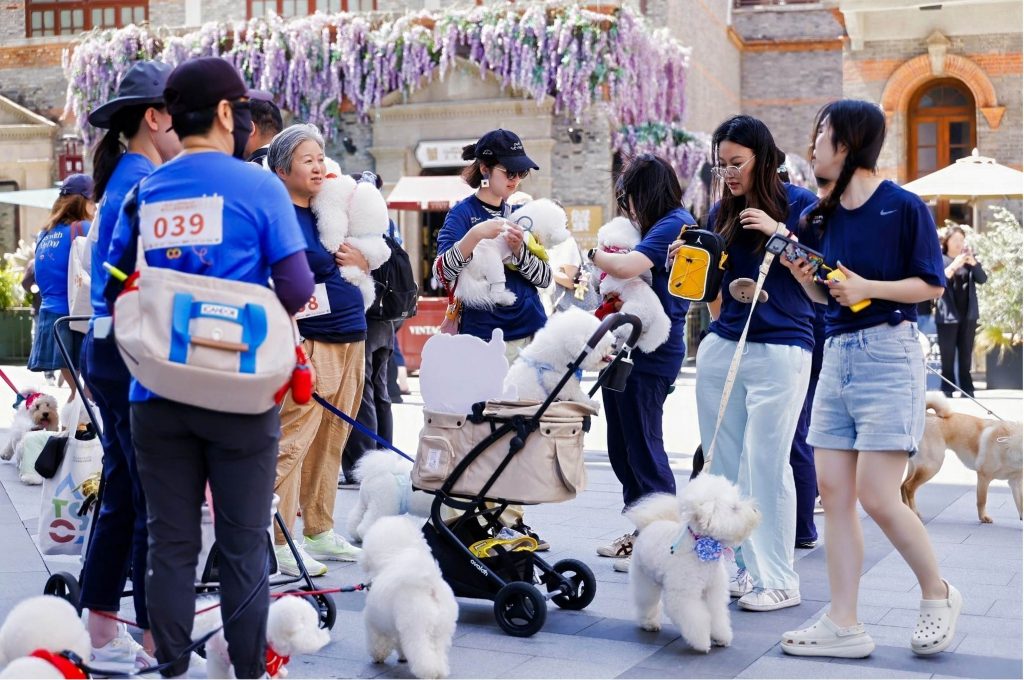
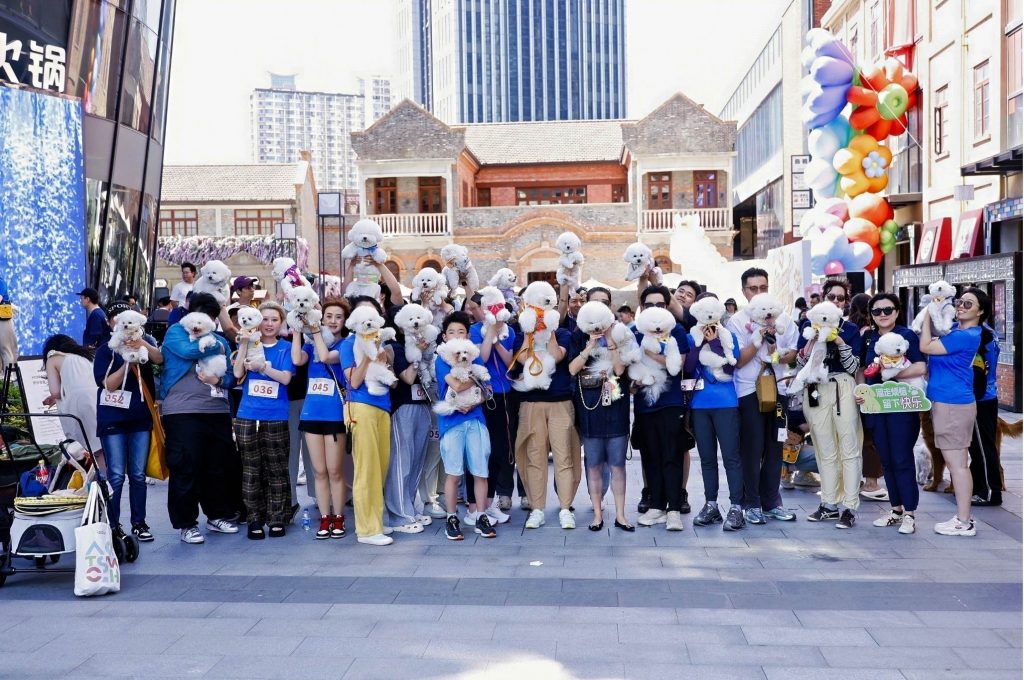
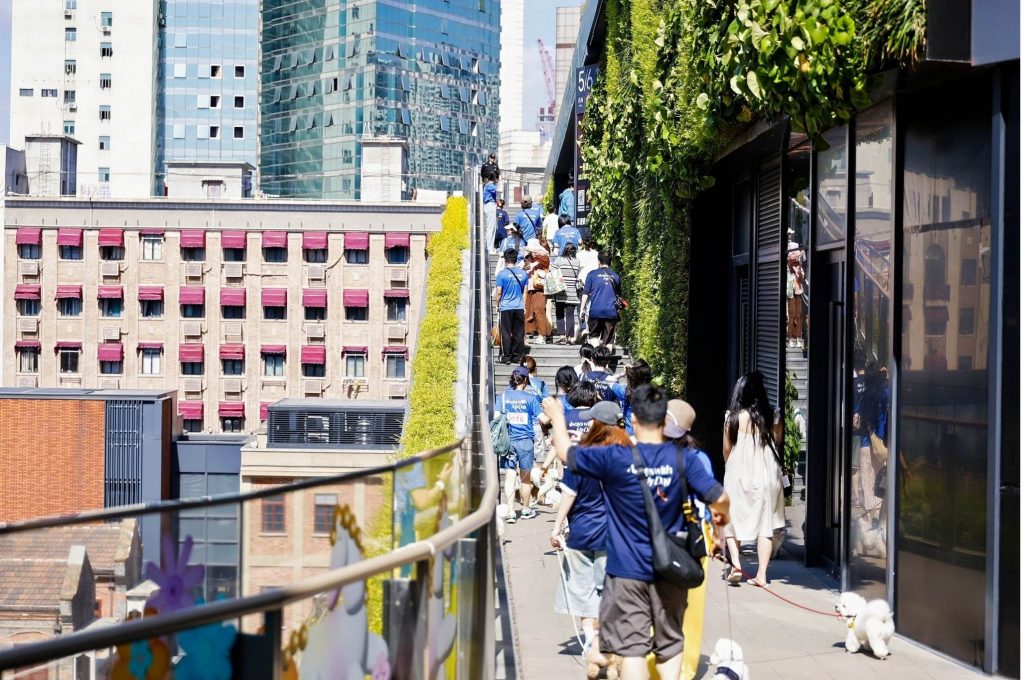
Over 70 families with dogs and cats gathered on site. Some were taking photos, some were strolling, and the furry little ones were wagging their tails beside their owners. It was lively but not chaotic, warm yet orderly.
But in the eyes of the event organizers, the most important thing about this day was not the liveliness itself, but the arrival of a professional milestone:
The first batch of shopping malls in Shanghai that comply with the “Pet‑Friendly Premises Plan” was officially launched.
Many people ask: isn’t “pet‑friendly” just about allowing pets to enter the premises?
Ms. Cui Xiaoting, General Manager of CMA Testing East China, gave a clear answer:
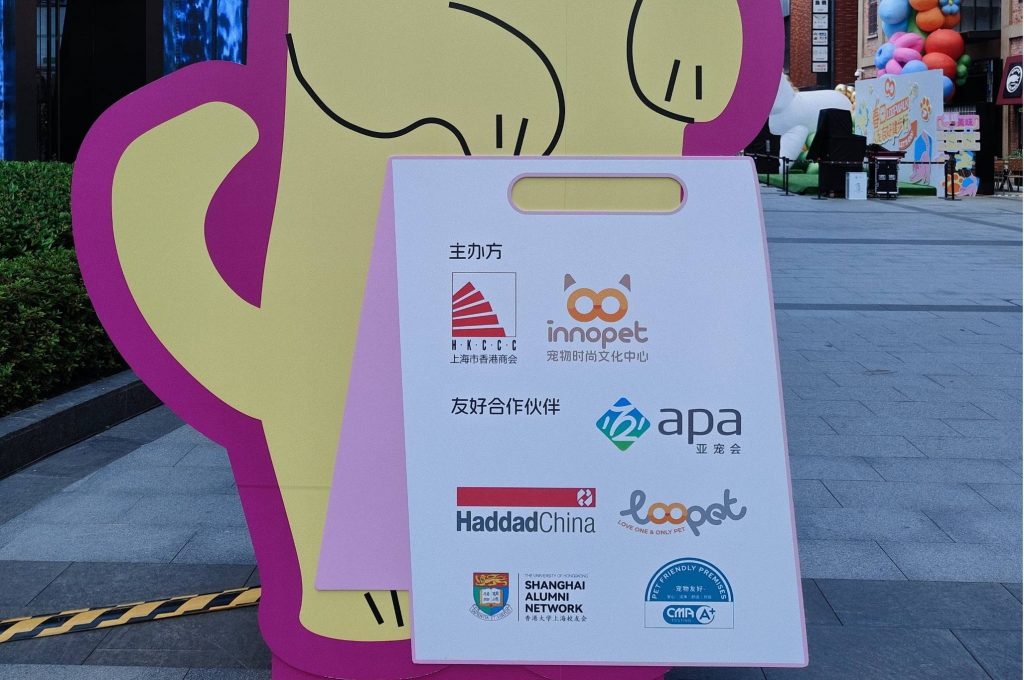
“True pet‑friendliness is neither a slogan nor just a logo. It needs to answer these questions: Where do pets enter? Which areas can they stay in? How is excrement handled? How should staff respond to complaints? How are the feelings of non‑pet‑owning customers respected? The special significance of this project lies in the fact that it is not a one‑time event planning effort, but a deep integration of Hong Kong’s professional service capabilities with the innovative demands of the mainland market. The Hong Kong Chamber of Commerce in Shanghai and InnoPet Hub, the pet fashion and culture center, have bridged the commercial resources of Shanghai and Hong Kong. The Asia Pet Alliance (APA) has brought the ecological influence of the pet industry, and CMA Testing provides third‑party credibility and professional support. All these elements are indispensable.”
As a professional testing and certification body under the Chinese Manufacturers’ Association of Hong Kong, CMA Testing has long been serving the quality and safety of the manufacturing, retail, and service industries. This time, we have systematically applied an internationally recognized service evaluation methodology to the emerging consumption scenario of “human‑pet friendliness.”
A Deep Integration of Hong Kong’s Professional Services with Mainland Commercial Scenarios
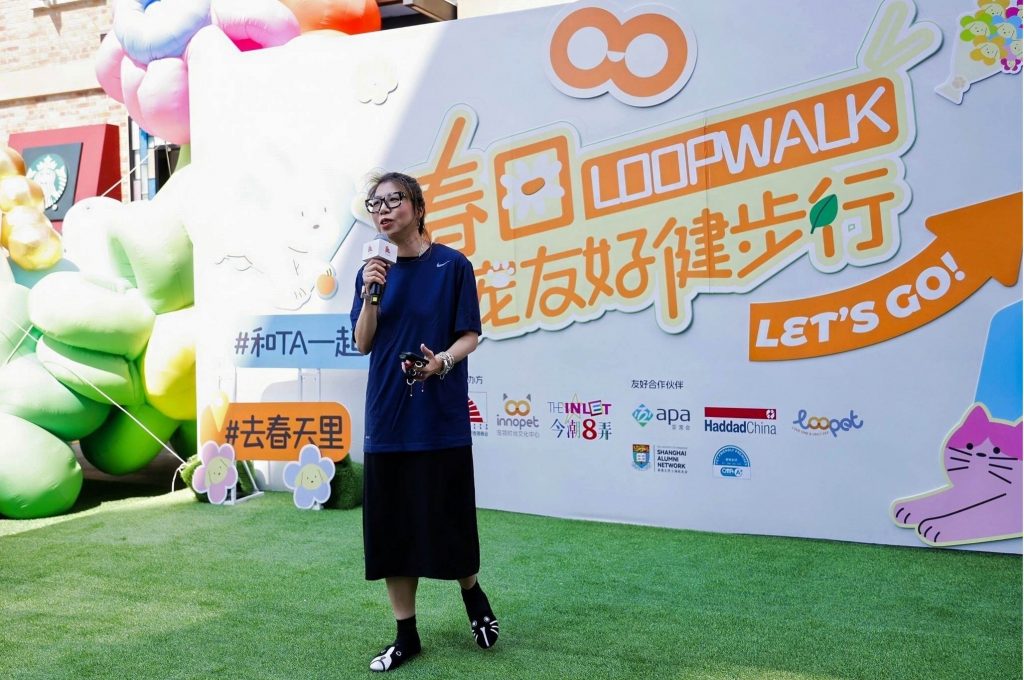
Mr. Zhang Guozheng, President of the Hong Kong Chamber of Commerce in Shanghai, noted in his speech at the event that this year marks the 30th anniversary of the Chamber. He stated that the Chamber will further engage in the new track of the human‑pet economy, sharing and promoting its positive significance for urban consumption upgrading, commercial space innovation, and the enhancement of economic vitality.
Afterwards, Ms. Chen Baojin, founder of InnoPet Hub – the Pet Fashion and Culture Center, introduced the positioning and resource‑linking function of her platform. She expressed the hope to combine Hong Kong’s advanced practical experience in pet‑friendliness and international good practices with mainland commercial scenarios, in order to promote an implementable, sustainable, and auditable human‑pet friendly system.
Mr. Hu Jun, Secretary General of APA Asia Pet Alliance, also pointed out in his speech: “Pet‑friendliness is not only a value‑added feature for commercial spaces, but also a new reflection of urban civilization and consumption vitality. Through a standardized system, we can help more venues build friendly scenarios for human‑pet coexistence, create better consumption and activity experiences for pet owners, and inject new vitality into the commercial ecosystem.”
Human-Pet Friendliness: A Professional Track in the New Consumption Era
On the surface, pet-friendly places are about whether pets can enter shopping malls, but in essence, they are about how commercial spaces can respond in a more professional way to the new generation of consumers’ needs for emotional value, community belonging, and lifestyle.
Today’s consumers, especially pet owners in cities, want more than just transactional functions when they enter commercial spaces. They hope to be understood and accepted when bringing their pets, and to have a safe and comfortable co‑existence experience. This emotional value lies at the heart of the consumption experience. When commercial spaces consistently provide this value, they are no longer merely places of transaction but become true social spaces and places of belonging. Pet owners will return repeatedly because of shared interests and develop loyalty—that is community belonging. Once commercial spaces successfully navigate this track, they gain not only the favor of pet‑owning consumers, but also new reasons for visits, longer dwell times, new consumption scenarios, and the extremely rare emotional connection in this era of highly fragmented attention. Therefore, pet‑friendliness is not just a public welfare gesture or a commercial label; it is a professional choice for commercial spaces to enhance their competitiveness in the new consumption era, and also the intersection of urban civilization and commercial innovation.
Starting from Shanghai
On the day of the event, over 70 pet families took part in an orderly wellness walk. They had a designated route, proper management, a pleasant experience, and a warm atmosphere.
This is exactly the state that human‑pet friendly commercial spaces most need to present.
For CMA Testing, this day marked an even more important beginning: a set of pet‑friendly standards established by a Hong Kong professional institution was implemented for the first time in Shanghai, and this will serve as the starting point.
We hope that in the future, when you walk into a shopping mall displaying the CMA Testing Pet‑Friendly Place Plan logo, you will not only be able to bring your pet inside, but also truly enjoy a worry‑free, comfortable, and sustainable experience with your pet. That is the meaning of this project, and it is also the original intention behind what we do.