





1. USA Issues a Ban on Methylene Chloride
On April 30 2024, the U.S. Environmental Protection Agency (EPA) finalized prohibitions and workplace protections under the Toxic Substances Control Act (TSCA) for methylene chloride to protect human health. The ban takes effect 60 days after its publication in the Federal Register.
Methylene chloride, also known as dichloromethane and DCM, is a volatile chemical used in a wide range of industrial, commercial, and consumer applications like adhesives, sealants, degreasers, cleaners, and automobile products. Methylene chloride known to cause liver cancer, lung cancer, breast cancer, brain cancer, cancer of the blood, and cancer of the central nervous system, as well as neurotoxicity, liver harm and even death.
EPA’s final rule:
- Prohibits manufacturing, processing and distribution of methylene chloride for all consumer uses;
- Prohibits most industrial and commercial uses of methylene chloride, including paint and coating removers. Consumer paint and coating removal was prohibited in 2019;
- Creates strict workplace protections through a Workplace Chemical Protection Program to ensure that for the remaining uses, workers will not be harmed by methylene chloride use;
- Requires manufacturers (including importers), processors, and distributors to notify companies to whom methylene chloride is shipped of the prohibitions and to maintain records;
- Most prohibited uses will be fully phased out within 2 years. Alternative products with similar costs and efficacy to methylene chloride products are generally available for most prohibited uses.
Uses that will continue under the Workplace Chemical Protection Program are highly industrialized and important to national security and the economy and are uses for which EPA received data and other information showing that the workplace safety measures could be achieved. These uses include:
- Use in the production of other chemicals, including chemicals that are important in efforts to reduce global warming outlined in the American Innovation and Manufacturing Act;
- Production of battery separators for electric vehicles;
- Use as a processing aid in a closed system;
- Use as a laboratory chemical;
- Use in plastic and rubber manufacturing, including polycarbonate production;
- Use in solvent welding.
More details: https://www.epa.gov/assessing-and-managing-chemicals-under-tsca/risk-management-methylene-chloride
2. Maryland Restricts the Use of Lead and PFAS in Playground Surface Materials
On May 9, 2024, the governor of Maryland signed HB 1147(Chapter 488) into law to regulate lead and PFAS chemicals in playground surfacing materials. The restrictions will become effective on October 1, 2024.
The restriction requirements are as follows:
- Lead content ≤ 90ppm;
- PFAS are prohibited if intentionally added.
More details: https://legiscan.com/MD/bill/HB1147/2024
3. Colorado Revises Law on PFAS in Consumer Goods
On May 1, 2024, the governor of Colorado approved law SB 24-081 to revise the control PFAS requirements in consumer goods. The specific requirements are as follows:
| Product Scope | Requirements | Effective Date |
| Outdoor apparel intended for extreme or extended use in severe wet conditions. | Prohibited if intentionally added unless the product is accompanied by a disclosure that states that the product contains PFAS chemicals. | 1 January 2025 |
| Cookware; Cleaning products, except for cleaning products that are floor maintenance products used in hospital or medical settings; Dental floss; Menstruation products; Ski wax; Artificial turf. | Prohibited if intentionally added. | 1 January 2026 |
| Cleaning products that are floor maintenance products used in hospital or medical settings; Textile articles; Outdoor apparel for severe wet conditions; Food equipment intended primarily for use in commercial settings that comes into direct contact with food. | Prohibited if intentionally added. | 1 January 2028 |
Download the PDF: https://leg.colorado.gov/sites/default/files/2024a_081_signed.pdf
4. California Plans to Set Control Limits in Proposition 65 to Reduce Compliance Difficulties
According to CHEMICAL WATCH NEWS, officials from the California Office of Environmental Health Hazard Assessment (OEHHA) recently stated at a meeting of the Home and Business Products Association (HCPA) that OEHHA hopes to have the opportunity to create health protection concentration values to support compliance with California’s 65 warning requirements for products and reduce compliance difficulties.
5. EU Revises REACH Annex XVII Entry 70 About the Restriction of Siloxanes
On May 17, 2024, the European Union published Regulation (EU) 2024/1328 in the Official Journal, amending Annex XVII to Regulation (EC) No 1907/2006 REACH Entry 70. This Regulation restricts the use of octamethylcyclotetrasiloxane (D4), decamethylcyclopentasiloxane (D5) and dodecamethylcyclohexasiloxane (D6) in substances or mixtures. This Regulation shall enter into force on the twentieth day following that of its publication in the Official Journal of the European Union (i.e. 6 June 2024).
More details: https://eur-lex.europa.eu/legal-content/EN/TXT/?uri=OJ:L_202401328
6. EU Proposes a New Regulation on Packaging and Packaging Waste
On April 24, 2024, the European Parliament adopted the Packaging and Packaging Waste Regulation (PPWR) at first reading, which should contribute to the transition to a circular economy. Once in full effect, the PPWR will replace the Packaging Directive 94/62/EC.
The PPWR is intended to bring about significant changes in the legislative framework for packaging waste in the EU by defining ambitious targets, boosting high quality ‘closed loop’ recycling, and reducing the need for primary natural resources. This article is intended to highlight some significant changes proposed in the PPWR.
More details: https://www.europarl.europa.eu/doceo/document/TA-9-2024-0318_EN.html#title2
7. EU Intends to Amend the REACH Regulation to Expand the Restrictions Scope on PAHs
On May 27, 2024, the European Commission submitted notice G/TBT/N/EU/1065 to the TBT Committee of the WTO, intending to update Appendix XVII of the EU REACH regulation, adding a new entry 50a regards polycyclic aromatic hydrocarbons (PAHs) in clay targets. The restrictions are: Shall not be placed on the market or used, on their own or as constituents of other substances, in clay targets for shooting from [Publication Office: please fill in the date of entry falling 1 year from entry into force] if they contain more than 50 mg/kg (0.005 % by weight of dry mass of the clay target) of the sum of all listed PAHs.
8. EU Proposes to Revise POPs Regulation to Add Restriction of Methoxychlor
On May 30, 2024, the European Union released a revised draft act of the POPs Regulation (EU) 2019/1021. This draft act amends Annex I to the Regulation to include methoxychlor as a substance subject to certain restrictions. This draft act is open for feedback from May 30, 2024 to June 27, 2024. The restriction requirement is: The concentrations of methoxychlor equal to or below 0,01 mg/kg (0,000001 % by weight) where they are present in substances, mixtures or articles.
More details: https://ec.europa.eu/info/law/better-regulation/have-your-say/initiatives/13886-Persistent-organic-pollutants-methoxychlor_en
9. EU RoHS Updates an Exemption for Cadmium
On May 21, 2024, the European Union issued Directive (EU) 2024/1416 in Official Journal (OJ) to revise annex III of the RoHS Directive. This Directive shall enter into force on the twentieth day following that of its publication in the Official Journal of the European Union. (June 10, 2024).
Annex III to Directive 2011/65/EU is revised as follows:
| Exemption | Before Revision | Revised by (EU) 2024/1416 |
| 39(a) | Cadmium selenide in downshifting cadmium-based semiconductor nanocrystal quantum dots for use in display lighting applications (< 0,2 μg Cd per mm2 of display screen area). Expires for all categories on 31 October 2019 | Cadmium selenide in downshifting cadmium-based semiconductor nanocrystal quantum dots for use in display lighting applications (< 0,2 μg Cd per mm2 of display screen area). Expires for all categories on 21 November 2025 |
| 39(b) | / | Cadmium in downshifting semiconductor nanocrystal quantum dots directly deposited on LED semiconductor chips for use in display and projection applications (< 5 μg Cd per mm2 of LED chip surface) with a maximum amount per device of 1 mg. Expires for all categories on 31 December 2027 |
More details: https://eur-lex.europa.eu/legal-content/EN/TXT/?uri=CELEX%3A32024L1416&qid=1716366868781
10. The European Union Issued the New Standard EN 14988:2017 + A2:2024 for Children’s High Chairs
On April 24, 2024, the European Commission for Standardization (CEN) approved the release of a new standard EN 14988: 2017+A2: 2024 for high chairs for children – requirements and testing methods. This standard will be officially implemented on October 31, 2024. The old version of the standard EN 14988: 2017+A1: 2020 remains valid until the implementation date of the new standard. This standard applies to free-standing high chairs, both domestic and non-domestic, used for feeding or eating by an unassisted sitting child under 3 years of age. This standard does not include special high chairs for medical purposes.
11. REACH SVHC Adds Two Intended Substances
On May 15, 2024, the European Chemicals Administration (ECHA) added perfluorotripropylamine to the SVHC intended substance, and on June 7, 2024, ECHA added O, O, O-triphenylthiophosphate to the SVHC intended substance. ECHA plans to initiate a public review of these two substances in August 2024. If approved, the substance is expected to be officially added to SVHC in January 2025.
12. Germany Will Remove the Restrictions on Pentachlorophenol and Formaldehyde Under the Chemicals Prohibition Ordinance (ChemVerbotsV)
On February 15, 2024, the German Federal Gazette published the Decree of February 13, 2024 (Verordnung vom 13), which once again amending the German Chemicals Prohibition Ordinance (ChemVerbotsV). The revised content is as follows:
- Remove the restriction on formaldehyde in Item 1 of Appendix 1 of Part 3 of the Chemicals Prohibition Ordinance, which will be implemented on August 7, 2026;
- Remove the restriction on pentachlorophenol, its salts and esters in Item 3 Appendix 1 of Part 3 of the Chemicals Prohibition Ordinance, which was implemented on February 16, 2024.
More details: https://www.recht.bund.de/bgbl/1/2024/43/VO.html
13. UK Amends List of Standards Under Annex I of the General Product Safety Regulations
On April 18, 2024, The UK Department for Business and Trade published the notice 0100/24 regarding the update of the list of standards for complying the General Product Safety Regulations 2005 (S.I. 2005/1803).The list of published standards in Annex I is amended as follows:
- EN 716-1:2017+AC:2019 Furniture – Children’s cots and folding cots for domestic use – Part 1: Safety requirement (Inserted)
- EN 914:2020 Gymnastic equipment – Parallel bars and combination asymmetric/parallel bars –Requirements and test methods including safety (Replace EN 914:2008)
- EN 1130:2019 Children’s furniture – Cribs – Safety requirements and test methods EN 1130:2019/AC:2020 (Replace EN 1130-1:1996 & EN 1130-2:1996)
- EN 1272:2017 Child care articles – Table mounted chairs – Safety requirements and test methods (Inserted)
- EN 1400:2013+A2:2018 Child use and care articles – Soothers for babies and young children – Safety requirements and test methods (Inserted)
- EN 1466:2014 Child use and care articles – Carry cots and stands – Safety requirements and test methods EN 1466:2014/AC:2015 (Replace EN 1466:2014)
- EN ISO 9994:2019 Lighters – Safety specification (ISO 9994:2018) (Replace EN ISO 9994:2006)
- EN 14988:2017+A1:2020 Children’s high chairs – Requirements and test methods (Inserted)
- EN 16120:2012+A2:2016 Child use and care articles – Chair mounted seat (Inserted)
- EN IEC 62368-1:2020 Audio/video, information and communication technology equipment – Part 1: Safety requirements EN IEC 62368-1:2020/A11:2020 (Replace EN 60065:2002 and EN 60065:2002/A12:2011, EN609501:2006 and EN60950-1:2006/A12:2011)
More details: https://assets.publishing.service.gov.uk/media/661f9bb63771f5b3ee757d25/ds-0100-24-gpsr-notice.pdf
14. Two Mandatory National Standards for Footwear Were Updated
2024 No. 10 National Standard Announcement was released, and the State Administration for Market Regulation (State Administration for Standardization) approved six mandatory national standards and three mandatory national standard amendment forms. Among them, two mandatory national standards for footwear, “General Safety Requirements for Footwear” and “Safety Technical Specification for Children’s Shoes”, were officially released and implemented on June 1, 2025.
More details: https://std.sacinfo.org.cn/gnoc/queryInfo?id=E1F532C6CB6F3F409FEC6ACA39E7C067
15. Draft National Standards for Juvenile Products Have Been Released for Comment
Four draft national standards for juvenile products, including “Juvenile products – General requirements for potties, toilet reducers, urinal and their accessories”, have been issued by the National Standardization Management Committee and the National Standardization Working Group for Juvenile Products. The public is now open for comment, and the comment solicitation period is June 25, 2024.
More details: https://std.samr.gov.cn/gb/gbPlanDraft
Recall
EU rapid alert system for dangerous non-food products (RAPEX) (Report-2024-19- Report-2024-22): https://ec.europa.eu/safety-gate-alerts/screen/webReport#weeklyReports
Canada Recall: https://recalls-rappels.canada.ca/en/search/site
Australian Recall: https://www.productsafety.gov.au/recalls
US CPSC Recall: https://www.cpsc.gov/Recalls
Recall Case:
| Product Category | Sample Images | Notification Submitted By | Reason for Recall |
| Foam Pattern Rollers | 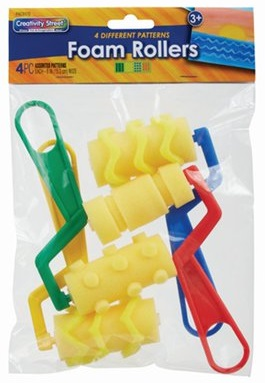 | US and Canada | The recalled foam pattern rollers are intended for children and contain levels of lead that exceed the federal lead content ban in the rollers’ handles. Lead is toxic if ingested by young children and can cause adverse health effects. |
| Youth Sipper Bottles | 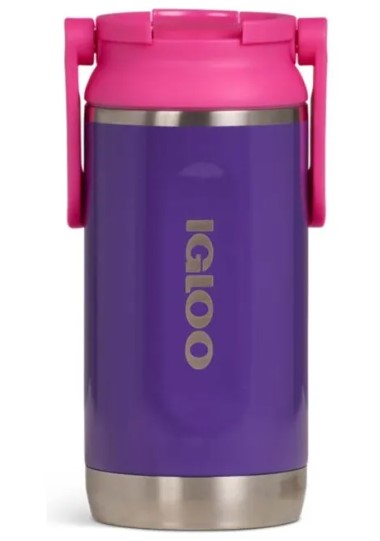 | US | The silicone cover on the sipper can detach while in use, posing a choking hazard to children. |
| Children’s Nightgowns | 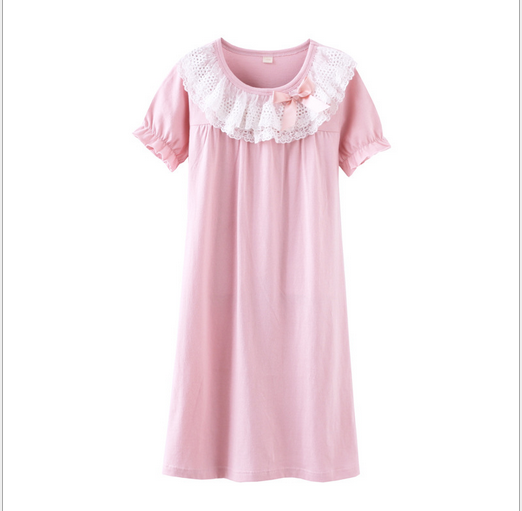 | US | The children’s nightgowns violate the flammability standards for children’s sleepwear, posing a risk of burn injuries to children. |
| Children’s Robes | 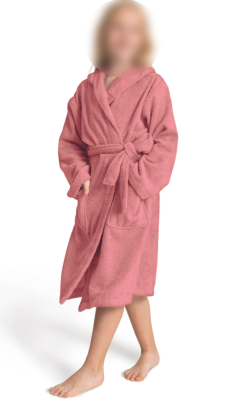 | US | The children’s robes violate the flammability standards for children’s sleepwear, posing a risk of burn injuries to children. |
| Toy Pinwheels | 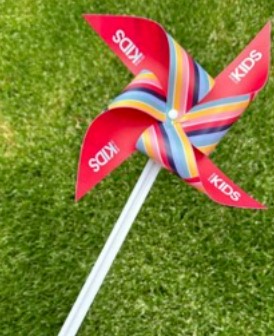 | US | The pinwheel’s fastener cap can come loose and detach, posing a choking hazard to young children. |
| Crib Bumpers | 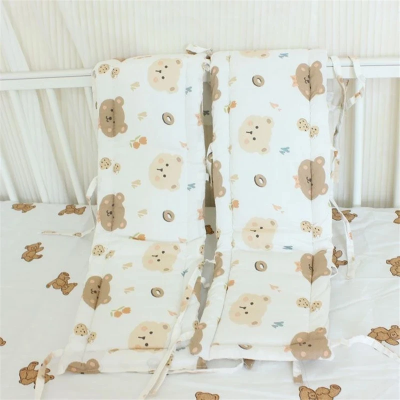 | US | Infants can suffocate if they roll or move on the crib bumper in a position that obstructs breathing. Padded crib bumpers are banned under federal law. |
| Baby Self-feeding Pillow A12/01146/24 |  | Ireland | Pillow in multiple colours (pink, yellow, grey, blue), which can be detached from the centre for the purpose of placing it around the infant’s neck. One end of the product has an elastic mesh net to help hold a bottle in place without the assistance of the caregiver. Product sold online, via Joom. The product does not comply with the requirements of the General Product Safety Directive. |
| Set of Mini Toy Motorcycles A12/01140/24 | 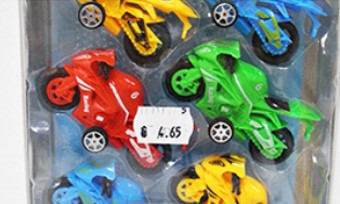 | Cyprus | The toys have small parts (wheels) which can easily detach. A small child may put them in the mouth and choke. The product does not comply with the requirements of the Toy Safety Directive nor with the European standard EN 71-1. |
| Dot Marker Set A12/01380/24 | 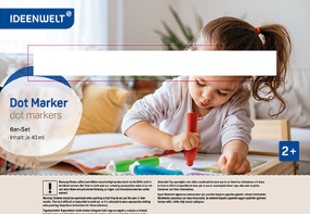 | Germany | The toy material contains methylisothiazolinone (MI)(measured value up to 1.56 mg/kg). MI causes severe skin burns. The product has an excessive concentration of benzisothiazolinone (measured value: 6.64 mg/kg). Benzisothiazolinone causes skin irritation and may cause an allergic skin reaction. The toy material contains methylchloroisothiazolinone (MCI) (measured value up to 5.22 mg/kg).MCI causes severe skin burns and may cause an allergic skin reaction. The product does not comply with the requirements of the Toy Safety Directive nor with the European standards EN 71-9. |
| Children’s Clothing Dress Suit A12/01448/24 | 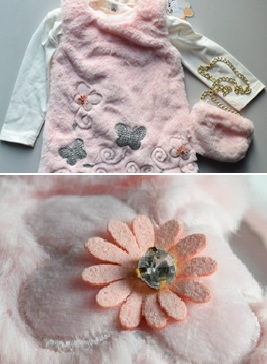 | Hungary | The small decorative elements (rhinestones) can easily be detached from the product. A small child may put them in the mouth and choke. The product does not comply with the safety requirements of the General Product Safety. |
| Fancy-dress Accessories A12/01432/24 |  | France | The plastic of the product has an excessive concentration of polycyclic aromatic hydrocarbons (PAHs), notably Benzo(a)anthracene (measured value up to 1.18 mg/kg). These PAHs may cause cancer. The product does not comply with the REACH Regulation. |
| Inflatable Ball A12/01382/24 | 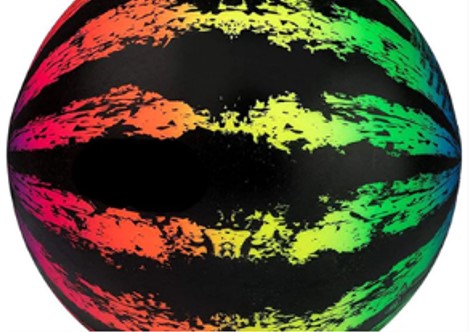 | Sweden | The plastic material of the product has an excessive concentration of diisobutyl phthalate (DIBP), dibutyl phthalate (DBP) and short-chain chlorinated paraffins (SCCPs) (measured values: up to 7.5%, 14% and 2.7% by weight, respectively). These phthalates may harm the health of children, causing possible damage to their reproductive system. SCCPs persist in the environment, are toxic to aquatic organisms at low concentrations and bio-accumulate in wildlife and humans, posing a risk to human health and the environment. Prolonged exposure to them through the skin may cause cancer. The product does not comply with the REACH Regulation nor with the Persistent Organic Pollutants (POP) Regulation. |
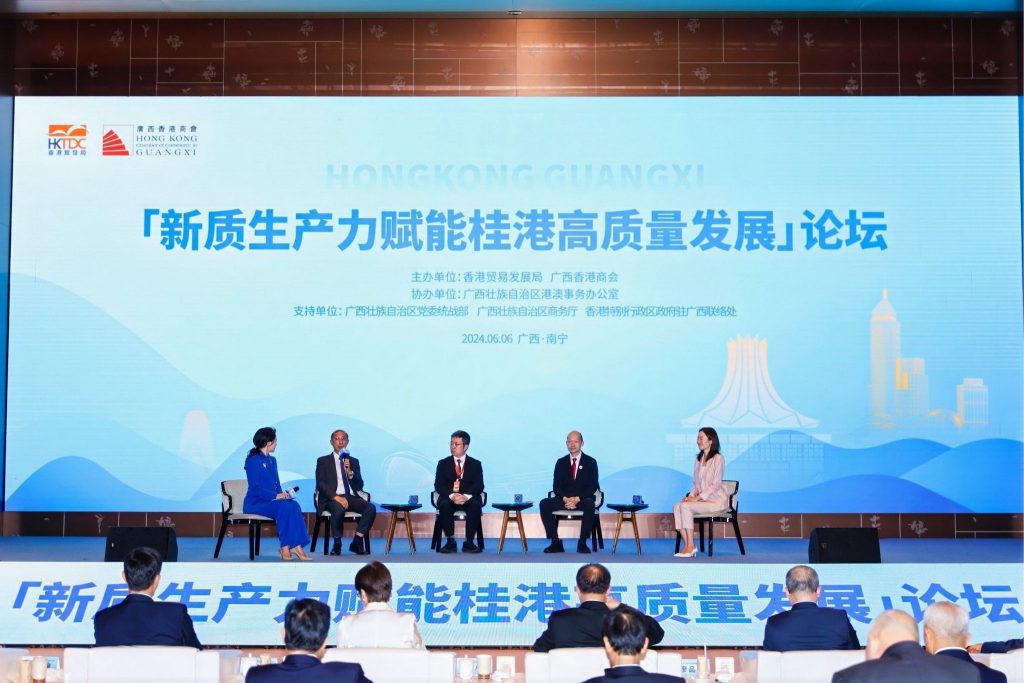
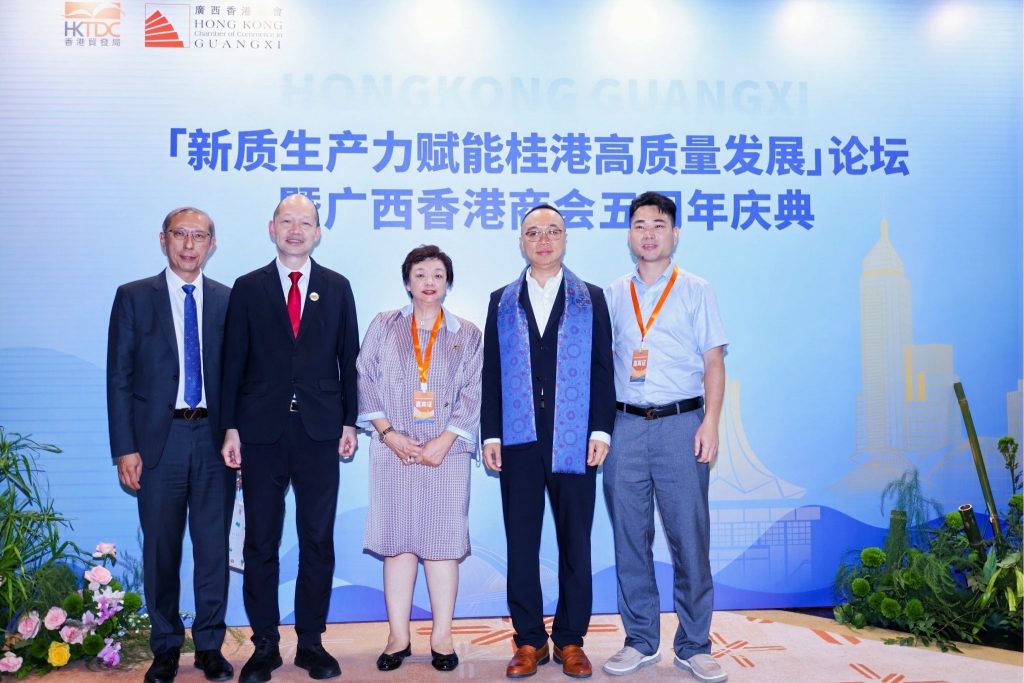
On 6 June 2024, the Hong Kong Trade Development Council and the Hong Kong Chamber of Commerce in Guangxi , together with the Guangxi Hong Kong and Macao Affairs Office and other relevant departments, held a forum on “New Quality Productive Forces Empowering High-quality Development in Guangxi and Hong Kong” in Nanning. More than 350 esteemed guests from Hong Kong, Guangxi, and other cities attended activities and had in-depth communication. Prof. Yu Chang-yuan, Director of PolyU-Jinjiang Technology and Innovation Research Institute; Mr. Hao Wang-jun, General Manager of the China Health Industry Department of PuraPharm; Mr. Ken Chung Hung-hing, Chairman of the Chamber of Hong Kong Logistics Industry; and Mr. Dominic Lam Chun-hong, Chief Operations Officer of CMA Testing, were speakers of a keynote session on “Gathering Innovative Forces to Promote Guangxi Hong Kong’s High-quality Development”, during which they shared cases covering technological innovation, general health, supply chain management, as well as industrial upgrading.
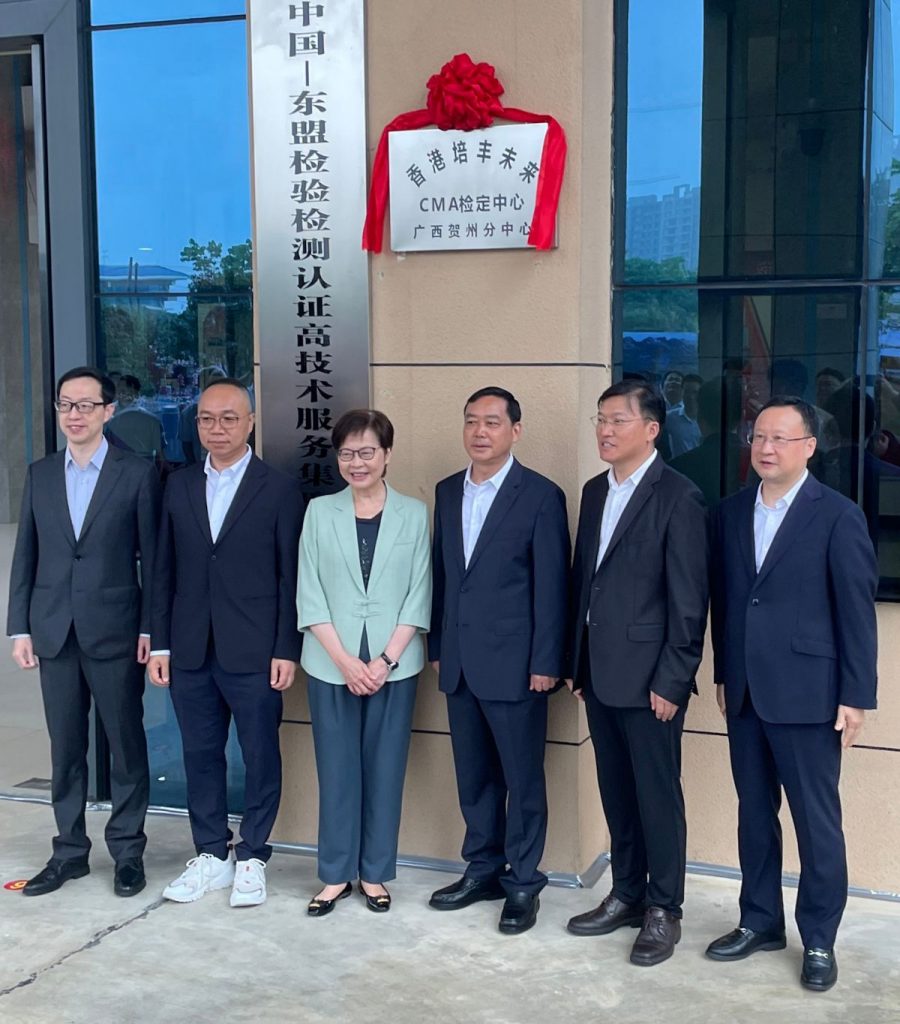
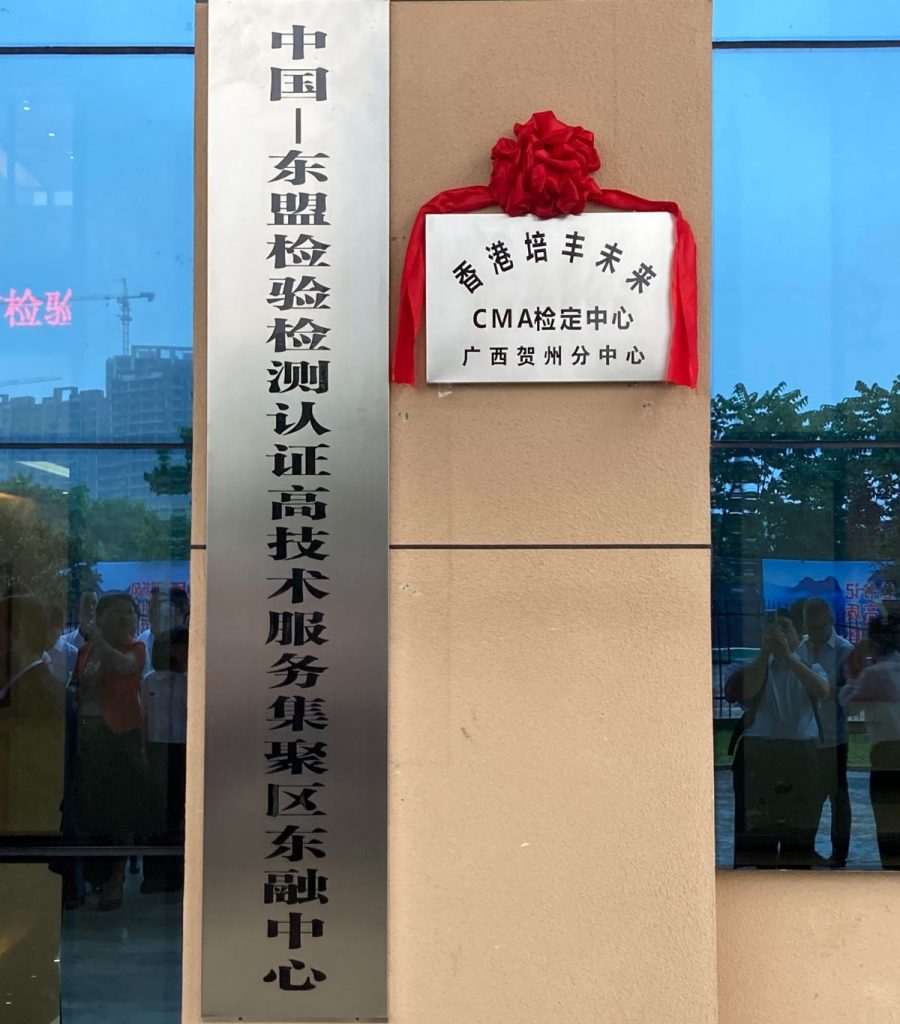
Dr. Wingco Lo Kam-wing, President of the Chinese Manufacturers’ Association of Hong Kong (first from left), attended the “WINGS – CMA Testing Guangxi Hezhou Branch Inauguration Ceremony” on 3 – 4 June 2024 in Guangxi. With officiating guests, Mrs. Carrie Lam Cheng Yuet-ngor, former Chief Executive (third from left); Mr. Peng Dai-yuan, Mayor of Hezhou City (third from right); Mr. Xie Bing, Vice Mayor and Member of the Standing Committee of the Municipal Party Committee (second from right); Mr. Kuang Yong-hong, Vice Mayor (first from right); and Mr. Simon Pun Ka-yeung, Chairman of Hong Kong Chamber of Commerce in Guangxi (second from left), posed for a group photo at the ceremony.
WINGS provides comprehensive product testing and promotional services for Guangxi’s food and agricultural products. This new opportunities mark a significant milestone as Hong Kong’s testing and certification industry ventures into the Mainland.

Amid sustainable development, environment, society, and corporate governance (ESG) have become the focus of attention for enterprises and individuals. The “ESG Practice Course: Quick for Beginners” jointly organized by CMA+, CMA Testing, the Shanghai Indoor Environment Purification Industry Association, and the Hong Kong Chamber of Commerce in Shanghai, has been successfully completed recently. This course attracted professionals from various industries who gathered together to deliberate the practice of ESG principles. Our Chief Consultant for Sustainable Development of CMA+, Mr. Joseph Chiu Ka-yu, brought in-depth and simple training to the participants with his profound experience in this field.
We look forward to launching ESG-focused courses in the future to help corporate employees acquire the necessary skills to evaluate, monitor and report ESG performance. In particular, it helps SMEs realize their own sustainable development in the entire ecological chain with more optimum resources and jointly promote the sustainable development of society.


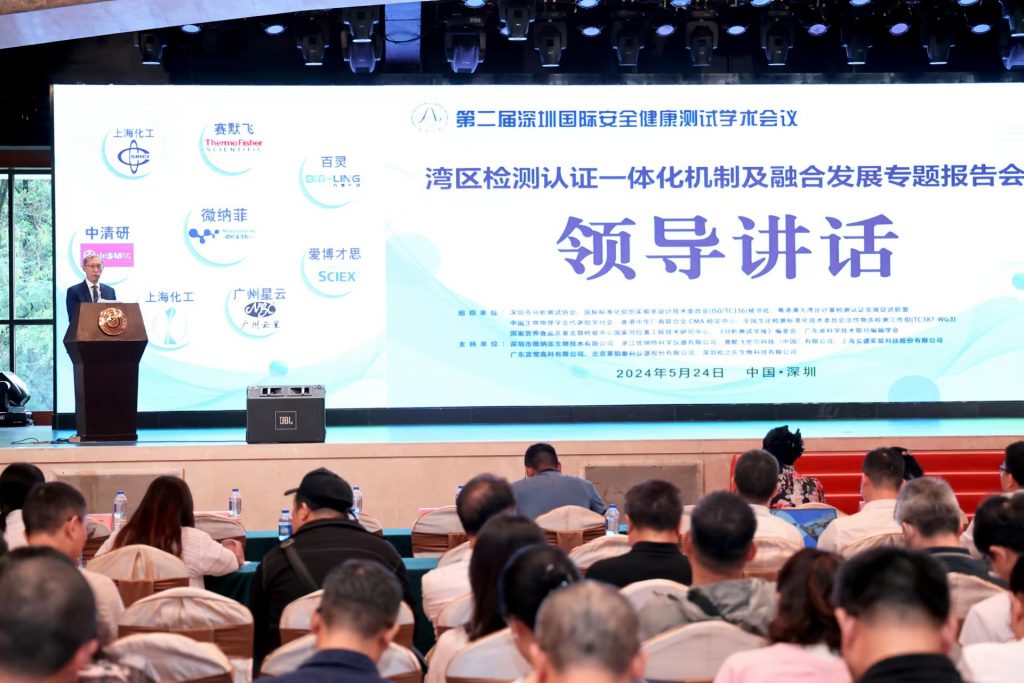
On 24 May 2024, the highly anticipated 2nd International Safety and Health Testing Academic Conference was grandly opened in Shenzhen. The conference was hosted by the Shenzhen Analysis and Testing Association and supported by the CMA Testing of the Chinese Manufacturers’ Association of Hong Kong, the Secretariat of the International Organization for Standardization Laboratory Design Technical Committee (ISO/TC 336), the Guangdong-Hong Kong-Macao Greater Bay Area Metrology, Testing and Certification Development Promotion Alliance, the Chinese Society for Metabolomics of the Biophysical Society of China, the Active Substance Testing Working Group of the National Biochemical Testing Standardization Technical Committee (TC387-WG3), the National Nutrition Food Quality Supervision and Inspection Centre, the National Isotope Engineering Technology Research Centre, the Editorial Board of the Journal of Instrumental Analysis, the Guangdong Science and Technology Journal Editors Association, and the Shenzhen Alumni Association of the School of Life Sciences of Sun Yat-sen University.
As one of the enterprises invited to participate in the conference, Mr. Dominic Lam Chun-hong, Chief Operations Officer of CMA Testing, Mr. Jason Xie Yue-liang, General Manager of Yubiao Testing and Certification Laboratory (Shenzhen) Limited, and Mr. Joseph Chiu Ka-yu, Chief Consultant of Sustainable Development of CMA+ coordinated with Mr. Chen Yu-gang, Director of the Quality Development Department of Shenzhen Municipal Administration for Market Regulation, and Mr. Yang Guo-wu, Executive Chairman of the Shenzhen Analytical and Testing Association, were present at the conference.


With the theme “Safety and Health Testing”, the conference set up seven special report sessions and a sustainable development-themed technological innovation seminar. Special reports encompass a range of topics, including the integration mechanism and integrated development of testing and certification in the Bay Area; research on new pollutants and health effects in the environment and water bodies; precision medical testing and clinical diagnosis and treatment applications; research and development of medicine food homology and its application in functional foods and the construction of quality standard control systems; new technologies, processes, and materials that serve as new engines for the development of the jewelry industry; testing of food and agricultural products, and characteristics of health effect tables of unknown substances; cutting-edge technologies for analysis and testing, and biologically active substances. The content of these report sessions covers a variety of fields from basic research to applied practice.
During the opening speech, Mr. Lam provided a concise overview of the collaboration between CMA Testing and Shenzhen and Hong Kong in the field of inspection, testing, and certification and expressed his high expectations for future cooperation between the two places in related fields.

Concurrently with the occasion, the Shenzhen Analysis and Testing Association held its 30th anniversary conference. Yubiao Testing and Certification Laboratory (Shenzhen) Limited was honoured to be awarded the “Outstanding Member Unit of 2023,” emphasising our dedication and accomplishments within the industry. In the future, the CMA Testing will persistently uphold profound collaboration with the conference, further strengthen cooperation and interactions with the Greater Bay Area and diverse domains associated with analysis and testing across the country. Moreover, it will actively expand its reach beyond borders, utilizing Shenzhen as its base, establishing a strong presence in the Bay Area, and contributing to the global advancement of the industry.

In the future, the CMA Testing will persistently uphold profound collaboration with the conference, further strengthen cooperation and interactions with the Greater Bay Area and diverse domains associated with analysis and testing across the country. Moreover, it will actively expand its reach beyond borders, utilizing Shenzhen as its base, establishing a strong presence in the Bay Area, and contributing to the global advancement of the industry.
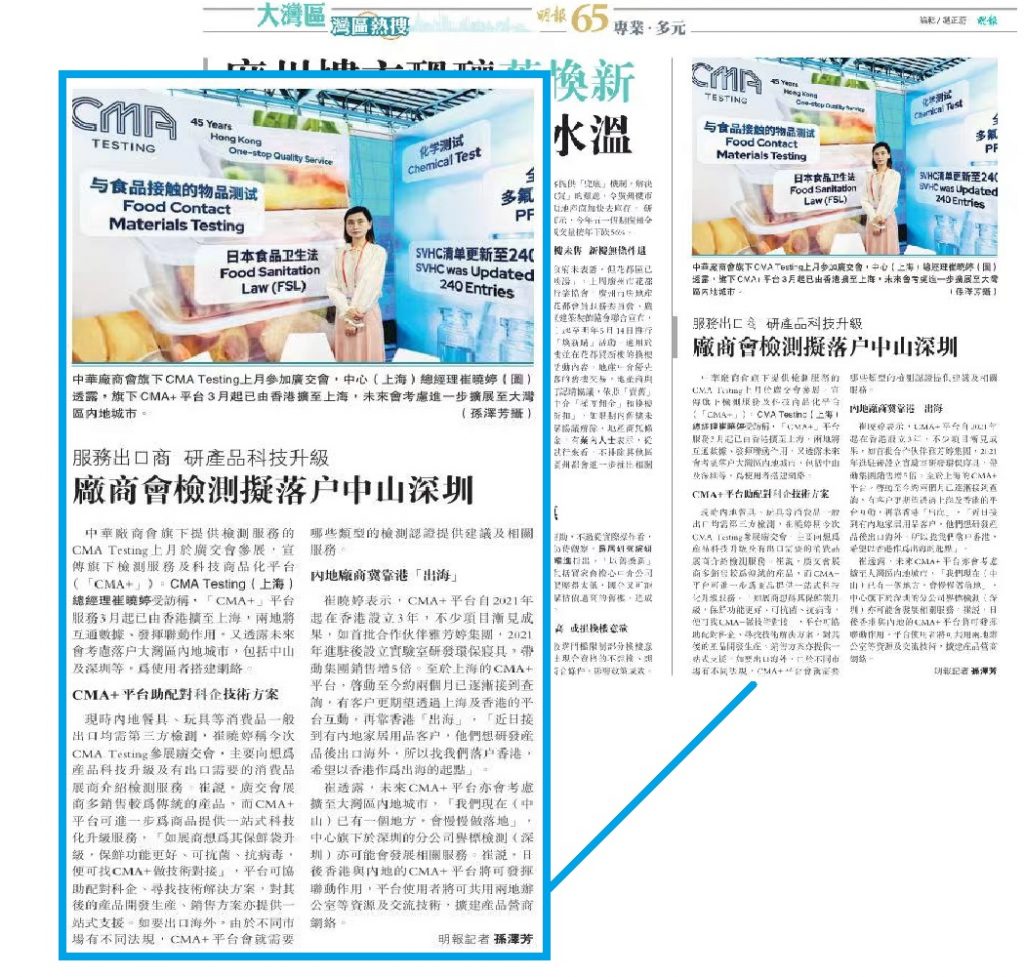
CMA Testing with CMA+’s participation in Canton Fair 2024 received coverage on Ming Pao Daily on 15 May 2024. During the interview, Ms. Sarah Cui, General Manager of CMA Testing (Shanghai), highlighted the expansion of CMA+ services from Hong Kong to Shanghai.
This expansion aims to leverage the synergy between the two regions through deeper data exchange. Additionally, CMA+ is considering establishing a presence in cities within the Greater Bay Area, including Zhongshan and Shenzhen, etc., to build up the network for users and unlock infinite possibilities in technology commercialisation!

The Toys and Children’s Products Safety Ordinance (Amendment of Schedules 1 and 2) Notice 2024 was officially released by the the Hong Kong government of China in the Gazette on 16 February 2024. The Notice seeks to update the safety standards for toys and six classes of children’s products listed in Schedule 2 (Schedule 2 products) under the Toys and Children’s Products Safety Ordinance (Cap. 424).
The six classes of Schedule 2 products are (i) baby walking frames; (ii) bunk beds for domestic use; (iii) child safety barriers for domestic use; (iv) children’s paints; (v) playpens for domestic use; and (vi) wheeled child conveyances. The Notice will take effect on 1 August 2024.
The Ordinance stipulates that a person must not manufacture, import or supply a toy or a Schedule 2 product unless it complies with all the applicable requirements contained in any one of the safety standards (international standards or standards adopted by major economies) specified in Schedule 1 (applicable to toys) or Schedule 2 (applicable to Schedule 2 products). The Government keeps in view any updates or amendments to the safety standards so as to apply up-to-date and operative versions of the standards to toys and Schedule 2 products supplied in Hong Kong. The last updates to Schedules 1 and 2 came into operation in September 2022 and August 2023 respectively.
The main changes are as follows:
| Products | Current International Standards and European Standards | New International Standards and European Standards |
| Toys | ISO 8124-1:2018 (incorporating Amendment 1:2020 and Amendment 2:2020) | ISO 8124-1:2022 |
| ISO 8124-2:2014 | ISO 8124-2:2023 | |
| ISO 8124-3:2020 | ISO 8124-3:2020 (incorporating Amendment 1:2023) | |
| BS EN 71-13:2021 | BS EN 71-13:2021 + A1:2022 | |
| Baby Walking Frames | ASTM F977-18 | ASTM F977-22e1 |
| Bunk Beds for Domestic Use | ISO 9098-1:1994 | ISO 9098-1:2023 |
| ISO 9098-2:1994 | ISO 9098-2:2023 | |
| Child Safety Barriers for Domestic Use | ASTM F1004-21 | ASTM F1004-23 |
| Children’s Paints | ISO 8124-3:2020 | ISO 8124-3:2020 (incorporating Amendment 1:2023) |
| Playpens for Domestic Use | ASTM F406-19 | ASTM F406-22 |
| Wheeled Child Conveyances | BS EN 1888-1:2018 | BS EN 1888-1:2018 + A1:2022 |
| AS/NZS 2088:2013 | AS 2088:2022 |
More details can be found at: https://www.legco.gov.hk/yr2024/english/brief/cedbcr08183_20240215-e.pdf
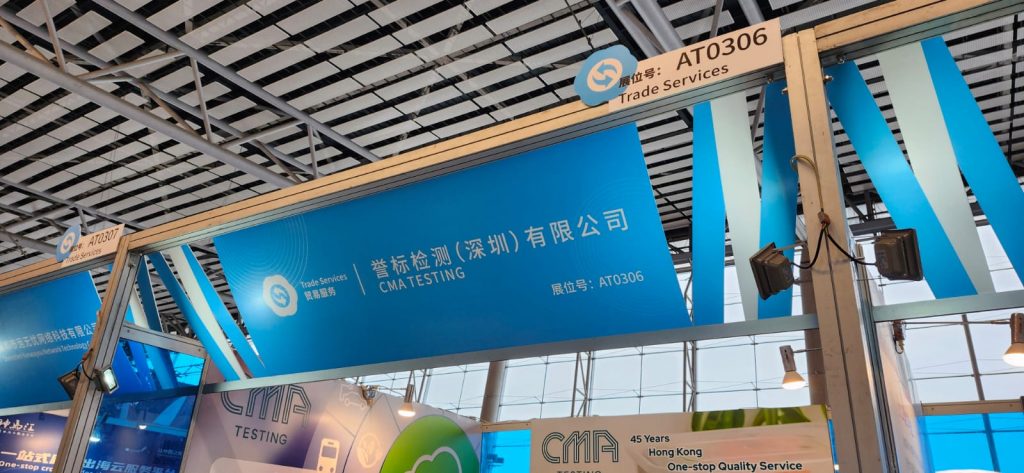
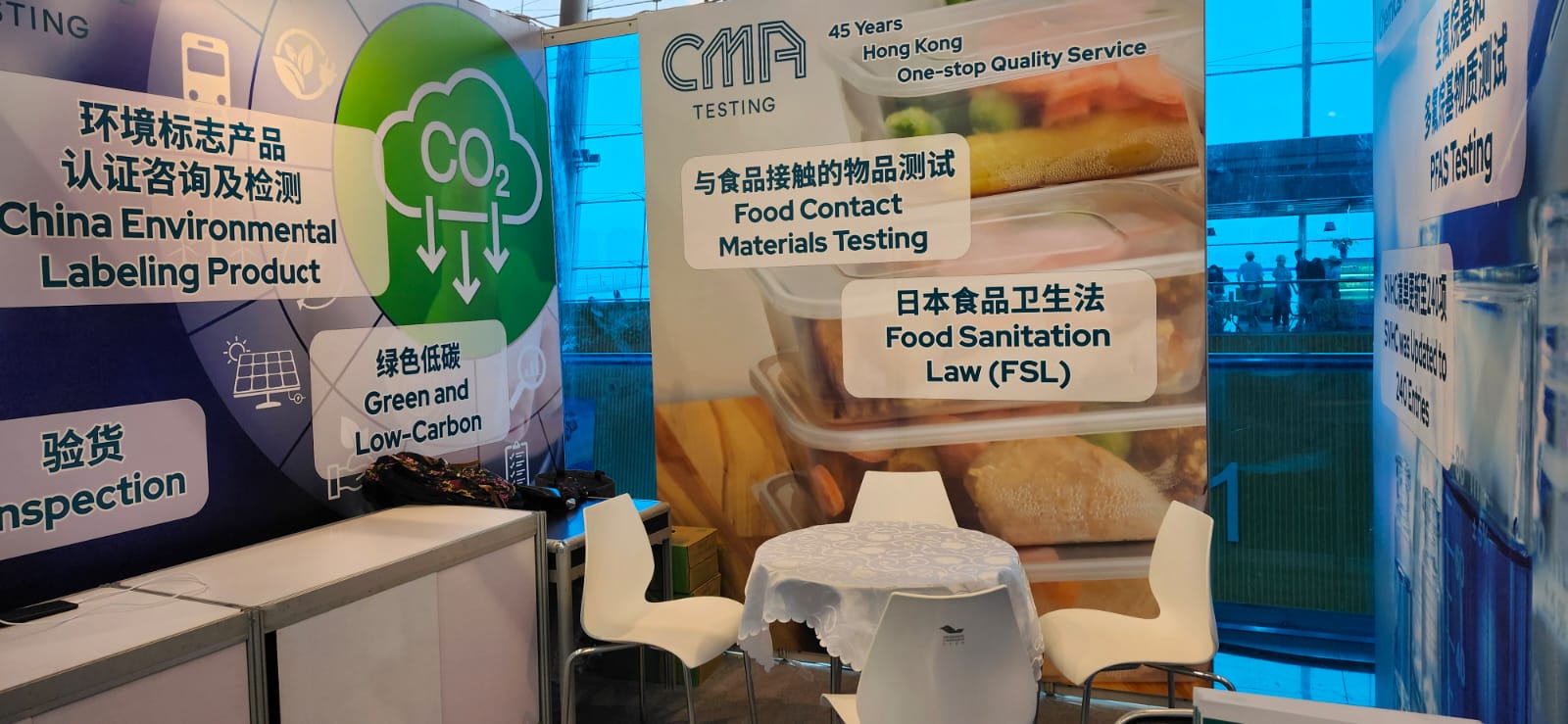
The Phase II of the 135th Canton Fair commenced on 23 April 2024 and will exhibit until 27 April 2024. CMA Testing is thrilled to take part in this international event and to seize the opportunity to present our CMA+, a technology commercialization center that supports upgrade and transform industrial and commercial enterprises from new product development to technology commercialization. Welcome to visit our booth at AT0306, Area A, to learn more about our innovation and technology-related services, as well as testing, inspection, and factory audit services.

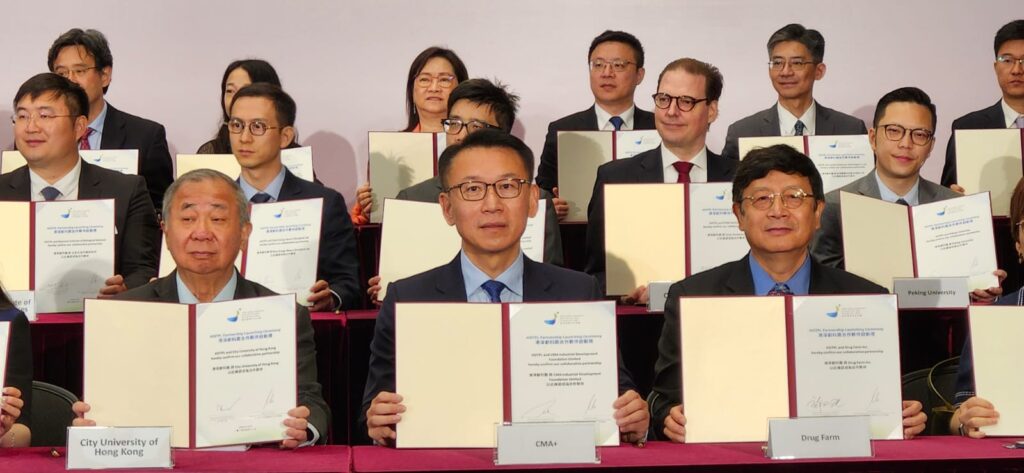
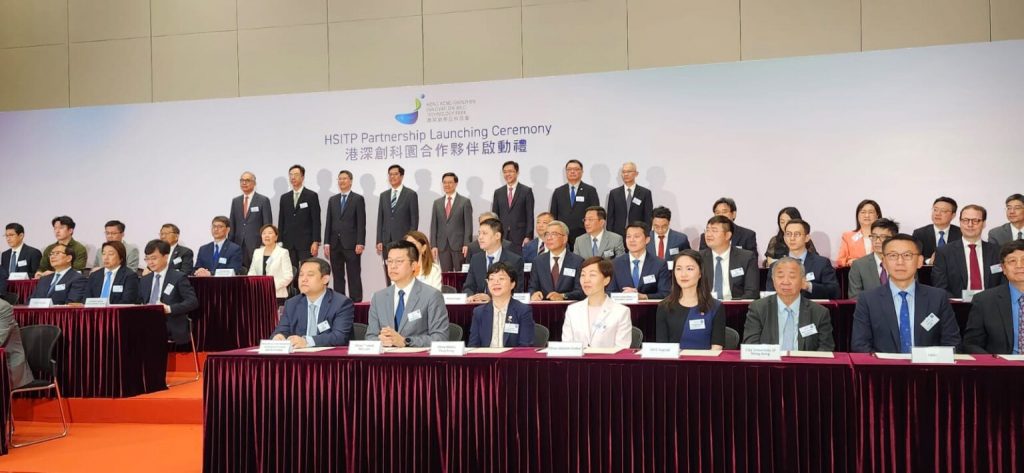
On 18 April, the HSITP held the Partnership Launching Ceremony at the Hong Kong Government Headquarters. The ceremony was officiated by Mr. John LEE Ka-chiu, Chief Executive of the HKSAR. The Vice President of the Chinese Manufacturers’ Association of Hong Kong and Chairman of CMA Testing, Mr. Robert LOK Pak-keung, signed the MoU on behalf of CMA Testing for planning to advance the development of our technology commercialization platform “CMA+” and the pilot manufacturing center “PMC” in the Park.