











1. CPSC approves to implement eFiling for certificates of compliance
On December 18, 2024, the U.S. Consumer Product Safety Commission (CPSC) has approved a Final Rule to implement electronic filing (eFiling) of Certificate information for regulated, imported consumer products and to revise requirements for Certificates of Compliance. The Commission vote was 3-0-2, with all five Commissioners voting to approve the rule; and a majority voting to approve the rule with an amendment extending the general implementation date from 12 months to 18 months. Under the new rule, requirements impacting most imported consumer products and those produced domestically will take effect 18 months from publication in the Federal Register. A 24-month effective date will apply to consumer products imported into a Foreign Trade Zone1 (FTZ) and subsequently entered for consumption or warehousing.
2. EPA publishes a final rule to gradually ban trichloroethylene and perchloroethylene
On December 9, 2024, the U.S. Environmental Protection Agency (EPA) published the final rule under the Toxic Substances Control Act (TSCA) to ban all uses of trichloroethylene (TCE) within one year, including TCE manufacture and processing for most commercial and all consumer products. At the same time, EPA is finalizing a 10-year phase out for the use of and perchloroethylene (PCE) in dry cleaning to eliminate the risk to people who work or spend considerable time at dry cleaning facilities.
3. FDA proposes to require standardized testing methods for detecting and identifying asbestos in talc-containing cosmetic products
On December 26, 2024, the U.S. Food and Drug Administration (FDA) announced a proposed rule to establish and require standardized testing methods to detect and identify asbestos in talc-containing cosmetic products. This proposed rule, if finalized, will help protect consumers who use talc-containing cosmetic products from harmful exposure to asbestos. This proposal is part of the agency’s work to fulfill the requirements of section 3505 of the Modernization of Cosmetics Regulation Act of 2022 (MoCRA). The proposed rule would require to test for asbestos using an analytical approach that includes both Polarized Light Microscopy (PLM) (with dispersion staining) and Transmission Electron Microscopy (TEM)/Energy Dispersive Spectroscopy (EDS)/Selected Area Electron Diffraction (SAED) to detect and identify the presence of asbestos.
4. FDA announces a final guidance for industry entitled “Registration and Listing of Cosmetic Product Facilities and Products.”
On December 12, 2024, the U.S. Food and Drug Administration (FDA) announced a final guidance for industry entitled “Registration and Listing of Cosmetic Product Facilities and Products.”The guidance will assist persons submitting cosmetic product facility registrations and product listing submissions to FDA under the Modernization of Cosmetics Regulation Act of 2022 (MoCRA). This guidance includes three new draft frequently asked questions and answers about cosmetic product facility registrations and product listing submissions, in Appendix B, for comment purposes only. Aside from the three new draft frequently asked questions and answers, this guidance finalizes the draft Appendix B published in an otherwise final guidance on December 19, 2023. This guidance also includes minor changes to the final guidance for clarity.
5. OEHHA officially revises the short-form warning label under California Proposition 65
On December 9, 2024, The Office of Environmental Health Hazard Assessment (OEHHA) has amended Title 27, California Code of Regulations sections 25601, 25602, 25603, and 25607.2, and added new sections 25607.50 through 25607.53. The Office of Administrative Law (OAL) approved the rulemaking on November 26, 2024. The effective date for the regulation is January 1, 2025. This regulatory action will make the Proposition 65 short-form warning more informative to consumers by adding at least one chemical name and providing additional warning options for businesses to select from. The regulations provide businesses that currently rely on the existing short-form warnings three years to transition to the new short-form content, make explicit that short-form warnings may be used to provide safe harbor warnings for food products, provide a 60-day transition period, during the three-year implementation period for retailers to update online short-form warnings after notice from a manufacturer, and provide new tailored safe harbor warnings for passenger or off-highway motor vehicle parts and recreational marine vessel parts.
6. CEN releases a new version toy safety standard EN 71-3:2019+A2:2024
On December 4, 2024, the European Committee for Standardization (CEN) released a new toy safety standard EN 71-3:2019+A2:2024 “Safety of toys – Part 3: Migration of certain elements”. This standard is expected to be harmonized under Directive 2009/48/EC, the so-called Toy Safety Directive (TSD), upon official acceptance by the European Commission (EC) and by publication in the Official Journal of the European Union (OJEU). Other standards of conflict will be withdrawn by June 30, 2025 at the latest.
7. CEN releases the test methods for phenol and bisphenol A in toy materials
On December18, 2024, the European Committee for Standardization (CEN) released two toy safety test standards: EN 71-18:2024 “Safety of toys – Part 18: Phenol in aqueous (content) and polymeric (migration) toy materials” and EN 71-19:2024 “Safety of toys – Part 19: Migration of bisphenol A from toy materials”. This two standards are applicable to toys intended for use by children under 36 months or other toys intended to be placed in the mouth. EN 71-18:2024 and EN 71-19:2024 are planned to be given the status of national standards in CEN member countries, and any conflicting standards will be withdrawn by June 30, 2025 at the latest.
8. EU updates toy guidance documents
The EU updated guidance document No 13 on craft kits on November 18, 2024 and guidance document No 20 on decorative products and products for collectors on November 21, 2024.
https://ec.europa.eu/docsroom/documents/63076
https://ec.europa.eu/docsroom/documents/63075
9. ECHA announces addition of six substances to SVHC Candidate List in January 2025
The European Chemicals Agency (ECHA) has taken significant steps to strengthen chemical safety regulations. During its December meeting, the Member State Committee (MSC) identified Octamethyltrisiloxane as a Substance of Very High Concern (SVHC). Additionally, four other substances were approved for inclusion in the Candidate List via written procedure, and one substance will be added automatically without MSC involvement.
Six substances of very high concern will be added in January 2025 to the Candidate List:
- Octamethyltrisiloxane (EC 203-497-4, CAS 107-51-7)
- O,O,O-triphenyl phosphorothioate (EC 209-909-9, CAS 597-82-0)
- Reaction mass of: triphenylthiophosphate and tertiary butylated phenyl derivatives (EC 421-820-9, CAS 192268-65-8)
- Perfluamine (EC 206-420-2, CAS 338-83-0)
- Tris(4-nonylphenyl, branched and linear) phosphite
- 6-[(C10-C13)-alkyl-(branched, unsaturated)-2,5-dioxopyrrolidin-1-yl] hexanoic acid (EC 701-118-1, CAS 2156592-54-8)
https://echa.europa.eu/-/highlights-from-december-member-state-committee-meeting
10. EU Regulation (EU) 2024/3190: A complete ban on bisphenol A in food contact materials
On December 31, 2024, the Official Journal of the European Union published Regulation (EU) 2024/3190, amending Regulation (EU) No 10/2011 for plastic food contact materials and articles and repealing Regulation (EU) 2018/213. This Regulation shall enter into force on the twentieth day following that of its publication in the Official Journal of the European Union. This regulation applies to adhesives, rubbers, ion-exchange resins, plastics, printing inks, silicones, varnishes and coatings. The main prohibitive requirements include:
- The use of BPA and its salts in the manufacture of food contact materials and articles is prohibited;
- Food contact materials and articles that have been manufactured using another bisphenol or bisphenol derivative shall not contain any residual BPA;
- The use of hazardous bisphenols other than BPA or hazardous bisphenol derivatives in the manufacture of food contact materials and articles is prohibited.
https://eur-lex.europa.eu/eli/reg/2024/3190/oj/eng
11. EU abandon the initiative to restrict MCCP and TBBP-A under the RoHS Directive
On December 10, 2024, the EU announced the abandonment of the initiative to add medium-chain chlorinated paraffins (MCCPs) and tetrabromobisphenol A (TBBP-A) restrictions to the RoHS Directive, meaning that companies producing electrical and electronic products do not need to adjust their compliance with MCCPs and TBBP-A for the time being. However, the EU also emphasized that feedback collected in the past is still available for future reference. However, the EU also emphasized that feedback collected in the past is still available for reference in the future.
12. 35% of the SDS are found to be non-compliant in EU enforcement action
On December 3, 2024, inspectors in 28 EU-EEA countries checked over 2500 safety data sheets to enforce the new requirements introduced in 2023. ECHA’s Enforcement Forum found that 35 % of the checked safety data sheets (SDS) were non-compliant. Compliance has improved compared to earlier enforcement projects, but more efforts are needed to further enhance the quality of information to better protect workers, professional users and the environment from risks posed by hazardous chemicals.
https://www.echa.europa.eu/-/compliance-of-safety-data-sheets-still-room-for-improvement
13. EU proposes to revise CMR lists under REACH Regulation
On December 5, 2024, the European Union released a revised draft act of the REACH Regulation (EC) No 1907/2006, proposing to revise as regards carcinogens, germ cell mutagens or reproductive toxicants (CMR) subject to restrictions. The draft act aims to protect consumers by adding newly classified CMR substances to the lists of CMR substances restricted for consumer use under REACH Regulation. This draft act is open for feedback from December 5, 2024 to January 2, 2025.
14. UK releases a guidance document on the implementation of GPSR in Northern Ireland
On December 3, 2024, the UK released a guidance relates to the European Union (EU) Regulation on General Product Safety 2023/988 (GPSR). This Regulation applies directly in respect of Northern Ireland (NI) from 13 December 2024. GPSR sets out the requirement that consumer products must be safe, the responsibilities of relevant Market Surveillance Authorities (MSAs), and requirements for the sharing of product safety information. This guidance provides an overview of the Regulation primarily for MSAs operating in NI.
15. UK revises the lists of prohibited and restricted ingredients in cosmetic
On December 17, 2024, UK published the Cosmetic Products (Restriction of Chemical Substances) (No. 2) Regulations 2024, amending UK Regulation (EC) No 1223/2009 to prohibit or restrict the use of certain substances in cosmetic products. The Regulation come into force on 31st January 2025. https://www.legislation.gov.uk/uksi/2024/1334/made
16. Canada publishes Regulations amending the Formaldehyde Emissions from Composite Wood Products Regulations
On December 9, 2024, Canada published the SOR/2024-256 to revise the SOR/2021-148 “Formaldehyde Emissions from Composite Wood Products Regulations” in the Canada Gazette. These Regulations come into force on the 90th day after the day on which they are published in the Canada Gazette.
The Amendments:
- Provide clarity for regulated parties and reduce the risk of misapplication of the regulations by removing the accreditation requirement for laboratories conducting routine quality control formaldehyde emissions testing;
- Revise record-keeping requirements for all entities along the composite wood products supply chain to reduce unintended burden;
- Maintain the regulations’ close alignment with TSCA Title VI in order to minimize international trade barriers; and
Make minor amendments to provide clarification on issues brought forward by stakeholders.
https://canadagazette.gc.ca/rp-pr/p2/2024/2024-12-18/html/sor-dors256-eng.html
17. Australia adds 3 new persistent organic pollutants
On December 2, 2024, Australian Department of Climate Change, Energy, the Environment and Water issued Industrial Chemicals Environmental Management (Register) Amendment (2024 Measures No. 2) Instrument 2024, adding three persistent organic pollutants (POPs), namely polychlorinated biphenyls, hexachlorobenzene, and polychlorinated terphenyls in Schedule 7 of Industrial Chemicals Environmental Management (Register) Instrument 2022. The new requirements will be implemented from July 1, 2025.
https://www.legislation.gov.au/F2024L01577/asmade/text
18. The State Administration for Market Regulation approves and releases 243 recommended national standards, including “Sulphuric acid for industrial use”
On December 31, 2024, China’s State Administration for Market Regulation (National Standardization Administration) published Announcement (No. 32 of 2024) approving release of 243 recommended national standards, including “Sulphuric acid for industrial use”. Among these, GB/T 29292-2024 “Footwear—Guidelines for the management and control of key chemicals in footwear and footwear components” will take effect on July 1, 2025, and GB/T 3920-2024 “Textiles—Tests for colour fastness—Colour fastness to rubbing” will take effect on January 1, 2027.
https://std.sacinfo.org.cn/gnoc/queryInfo?id=D70C7776CA26345187444B57A6EEA86C
Recall
EU rapid alert system for dangerous non-food products (Rapex):
https://ec.europa.eu/safety-gate-alerts/screen/search?resetSearch=true
Canada Recall:
https://recalls-rappels.canada.ca/en/search/site
Australian Recall:
https://www.productsafety.gov.au/recalls
US CPSC Recall:
Recall case:
| Product category | Sample images | Notification submitted by | Reason for recall |
| Mermaid travel soothers | 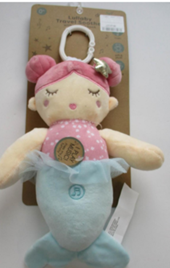 | US | The recalled toy’s gold-colored soft star can detach, posing a choking hazard to young children. |
| Baby Slumber Suits | 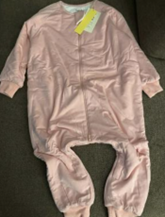 | US | The recalled slumber suits violate federal flammability regulations for children’s sleepwear, posing a risk of burn injuries to children. |
| Strollers | 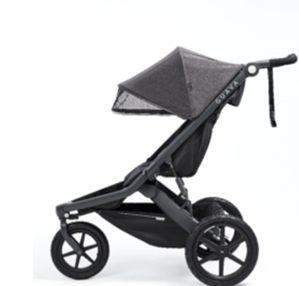 | US | The stroller’s brakes can fail to engage or unexpectedly disengage, posing fall and injury hazards to children. |
| Microfiber Crib Safety Bumpers | 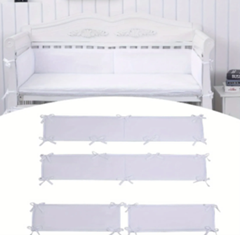 | US | The recalled crib bumpers violate the federal crib bumper ban, posing a suffocation hazard to infants. Padded crib bumpers are banned by the federal Safe Sleep for Babies Act. |
| Battery Packs | 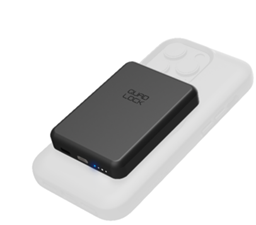 | US/Canada | The battery pack in the chargers can overheat, posing a fire hazard. |
| Smart Electric Space Heaters |  | US/Canada | The smart electric space heaters can overheat, posing fire and burn hazards. Testing determined the smart electric space heaters do not comply with the voluntary industry safety standard, UL 1278, posing an overheating and fire risk from wireless control features |
| Portable Lamps |  | US | An electronic malfunction can cause the lamp’s lightbulb to fail and the lithium battery to overheat, posing a fire hazard. |
| Bed Assist Rail adult bed rails | 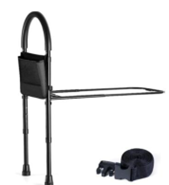 | US | When the recalled bed rails are attached to an adult’s bed, users can become entrapped within the bed rail or between the bed rail and the side of the mattress. This poses a serious entrapment hazard and risk of death by asphyxiation. |
| Strollers | 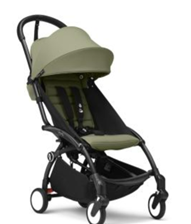 | US | The parking brake on the recalled strollers can disengage, posing an injury hazard. |
| KickScooters | 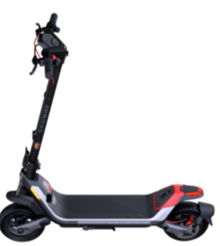 | US | The front fork of the recalled KickScooters can break, posing fall and injury hazards to the rider. |
| Youth Bike Helmets | 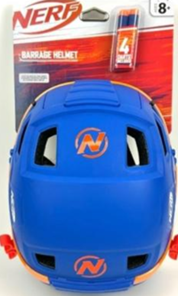 | US | The recalled helmets do not comply with the retention system requirements of the mandatory federal safety regulations for bicycle helmets. The helmets can fail to protect the wearer in the event of a crash, posing a risk of head injury. |
| Plush toy A11/00141/24 | 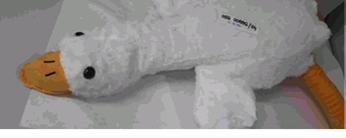 | Croatia | The fibrous stuffing material of the toy is easily accessible due to the weakness of the seams. A small child may put the filling material in the mouth and choke. The product does not comply with the requirements of the Toy Safety Directive, nor with European standard EN 71-1. |
| Jumping toy A12/03082/24 | 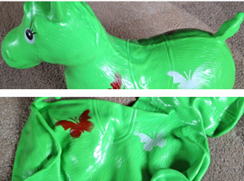 | Poland | The plastic material of the product has an excessive concentration of dibutyl phthalate (DBP) (measured value up to 11.6% by weight). This phthalate may harm the health of children, causing possible damage to their reproductive system. The product does not comply with the REACH Regulation. |
| Plastic doll set A12/03069/24 | 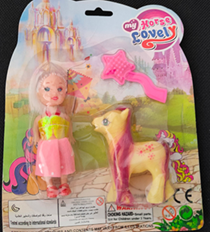 | Cyprus | The plastic material of the product (the head of the doll, arms and legs of the doll, the pony) has an excessive concentration of bis(2-ethylhexyl) phthalate (DEHP) (measured value: up to 38.84 % by weight). This phthalate may harm the health by causing possible damage to the reproductive system. The product does not comply with the REACH Regulation. |
| Balloons A12/03119/24 | 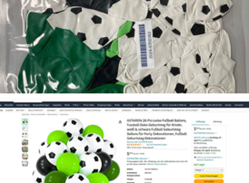 | Germany | The balloons release an excessive amount of nitrosatable substances (NDMA and NDEA) (measured value up to 25.4 mg/kg). These nitrosamines may cause cancer through ingestion or dermal exposure. A child could be exposed to it when touching or putting the product in the mouth. The product does not comply with the requirements of the Toy Safety Directive nor with the European standard EN 71-12. |
| Balloons A12/03072/24 | 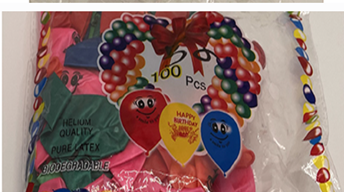 | Sweden | The latex of the balloons releases an excessive amount of nitrosamines (measured total value: up to 1.9 mg/kg). Nitrosamines may cause cancer through ingestion or dermal exposure. A child could be exposed to them when touching or putting the product in the mouth. The product does not comply with the requirements of the Toy Safety Directive nor with the European standard EN 71-12. |
| Swing A12/03068/24 | 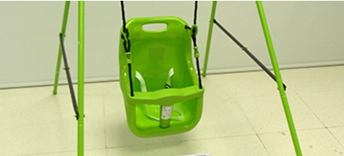 | Croatia | The swing can easily break and release small parts (tie rod, stickers). A small child may put them in the mouth and choke. Moreover, a small child’s head or neck can get trapped in holes/openings of the swing. This creates a risk of strangulation. The product does not comply with the requirements of the Toy Safety Directive nor with the European standard EN 71-1. |
| Toy torch A11/00139/24 | 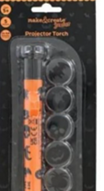 | Ireland | Due to a short circuit, the product can overheat, causing the bottom of the product to melt. As a consequence, users can touch hot parts and suffer burns. The product does not comply with the requirements of the Toy Safety Directive |
| Ice cooling cubes A12/03086/24 | 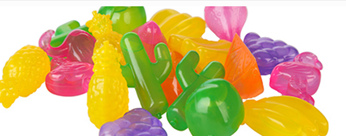 | Poland | Due to its characteristic appearance, colour, form and shape, the product may be mistaken as foodstuff. The product contains small parts. Children may put it in the mouth and choke. The product does not comply with the requirements of the Food Imitating Directive. |
| Wire stripper A12/03090/24 | 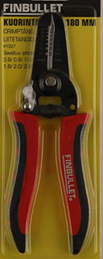 | Finland | The product has an excessive concentration of lead (measured value: 0.18% by weight). Lead is harmful to human health, accumulates in the body and may affect breast-fed or unborn children. The product does not comply with the REACH Regulation. |
| Bolt cutters A12/03078/24 | 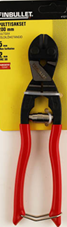 | Finland | The plastic material of the handle has an excessive amount of bis(2-ethylhexyl) phthalate (DEHP) and dibutyl phthalate (DBP) (measured values: 24% and 3.4% by weight, respectively). These phthalates may harm the health of users, possibly causing damage to the reproductive system. The product does not comply with the REACH Regulation. |
| String lights A12/03079/24 | 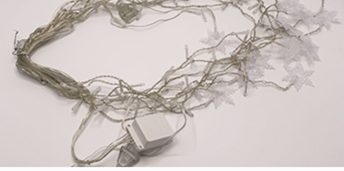 | Sweden | The plastic material of the cord has an excessive concentration of diisobutyl phthalate (DIBP) and short chain chlorinated paraffins (SCCPs) (measured values up to 6.9% and 0.93% by weight, respectively). DIBP poses a risk to human health and the environment. SCCPs persist in the environment, are toxic to aquatic organisms at low concentrations and bio-accumulate in wildlife and humans, posing a risk to human health and the environment. Moreover, the solders in the product have an excessive concentration of lead (measured value up to 40.2% by weight). Lead poses a risk to the environment. The product does not comply with RoHS Directive nor with POP Regulation. |
| Bluetooth speaker A12/03144/24 | 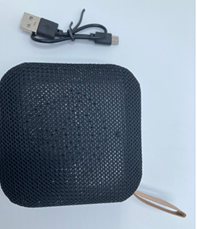 | Sweden | The solders in the product have an excessive concentration of lead (measured values up to 40% by weight). Lead poses a risk to the environme The product does not comply with RoHS Directive |
| Sleep mask A12/03089/24 | 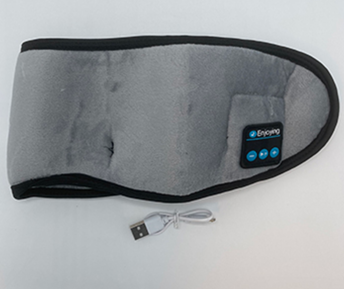 | Sweden | The solders in the product have excessive concentrations of lead and cadmium (measured values up to: 76.7% and 0.32% by weight, respectively). Lead poses a risk to the environment. Cadmium bio-accumulates and poses a risk to the environment. The plastic material of the cable has excessive concentrations of bis (2-ethylhexyl) phthalate (DEHP), dibutyl phthalate (DBP), lead and SCCP (measured values up to: 4.3 %, 1.0%, 0.39% and 3.6% by weight, respectively). DEHP and DBP pose a risk to human health and the environment. SCCPs persist in the environment, are toxic to aquatic organisms at low concentrations and bio-accumulate in wildlife and humans, posing a risk to human health and the environment. Prolonged exposure to them through the skin may cause cancer. The product does not comply with RoHS Directive nor with POP Regulation. |
| Bicycle handles A12/03107/24 | 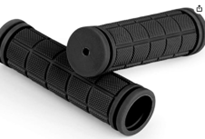 | Sweden | The plastic of the product has an excessive concentration of polycyclic aromatic hydrocarbons (PAHs), notably Benz[a]antracene (BaA) (measured values 1.6 mg/kg by weight). These PAHs may cause cancer. The product does not comply with the REACH Regulation. |
| Yoga ball A12/03080/24 | 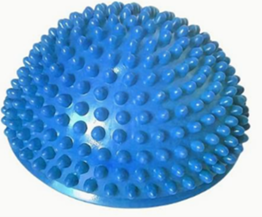 | Sweden | The plastic material of the product has an excessive concentration of diisobutyl phthalate (DIBP) and dibutyl phthalate (DBP) (measured values up to 33.95 % and 1.79 % by weight, respectively). These phthalates may harm the health by causing possible damage to the reproductive system. The product does not comply with the REACH Regulation. |
| Luggage A12/03075/24 | 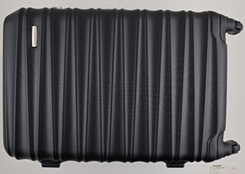 | Finland | The plastic material next to the zipper of the luggage has an excessive amount of dibutyl phthalate (DBP) and bis(2-ethylhexyl) phthalate (DEHP) (measured values up to 4.0% and 5.3% by weight, respectively). These phthalates may harm the health by causing possible damage to their reproductive system. The product does not comply with the REACH Regulation. |
| Perfume A12/03099/24 |  | Hungary | According to the list of ingredients the product contains 2-(4-tert- butylbenzyl) propionaldehyde (BMHCA), which is prohibited in cosmetic products. BMHCA may harm the reproductive system, may harm the health of the unborn child and may cause skin sensitisation. The product does not comply with the Cosmetic Products Regulation. |
| Jewellery set A12/03176/24 | 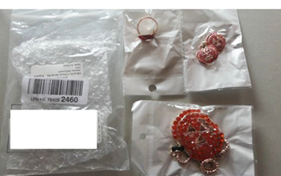 | Germany | The product has an excessive concentration of cadmium (measured value: 40 % by weight). Cadmium is harmful to human health because it accumulates in the body, can damage the kidneys and bones and it may cause cancer. The product does not comply with the REACH Regulation. |
| Earrings A12/03162/24 | 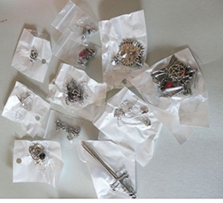 | Germany | The product has an excessive concentration of cadmium (measured value up to 88% by weight). Cadmium is harmful to human health because it accumulates in the body, can damage the kidneys and bones and it may cause cancer. The product does not comply with REACH Regulation. |
| Brooches set A12/03174/24 | 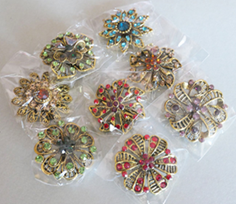 | Germany | The product has an excessive concentration of cadmium (measured value: up to 88 % by weight). Cadmium is harmful to human health because it accumulates in the body, can damage the kidneys and bones and it may cause cancer. The product also has an excessive concentration of lead (measured value: 70 % by weight). Lead is harmful to human health, accumulates in the body, can cause developmental neurotoxicity and may affect breast-fed or unborn children. The product does not comply with the REACH Regulation. |
| Jewellery set INFO/00127/24 | 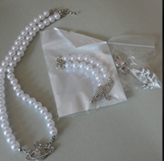 | Germany | The product has an excessive concentration of cadmium (measured value: 84% by weight). Cadmium is harmful to human health because it accumulates in the body, can damage the kidneys and bones and it may cause cancer. The product does not comply with the REACH Regulation. |
| Bracelet A12/03189/24 | 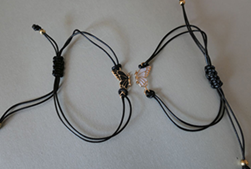 | Germany | The product has an excessive concentration of cadmium (measured value: 87% by weight). Cadmium is harmful to human health because it accumulates in the body, can damage the kidneys and bones and it may cause cancer. The product does not comply with the REACH Regulation. |
| Children’s fancy dress A12/03193/24 | 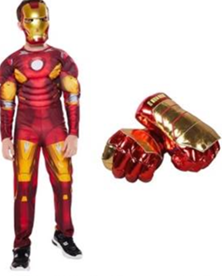 | France | The product has long functional cords in the neck area. These cords can become trapped during various activities of a child, leading to strangulation. The product does not comply with the requirements of the Toy Safety Directive nor with the European standard EN 14682. |
| Soother A12/03158/24 | 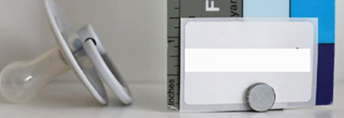 | Austria | The ring on the shield can easily detach from it, releasing small parts. A small child may put it in the mouth and choke. The product does comply with the requirements of the General Product Safety Directive nor with the European standard EN 1400. |
| Soother holder A12/03191/24 | 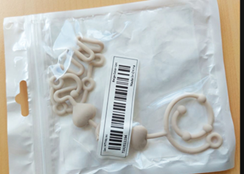 | France | The soother holder is too long, which may lead to strangulation of a child. Moreover, the chain can easily break, resulting in small parts. Small children may put them in the mouth and choke. The product does not comply with the requirements of the General Product Safety Directive nor with the European standard EN 12586. |
| Children’s high chair A12/03152/24 | 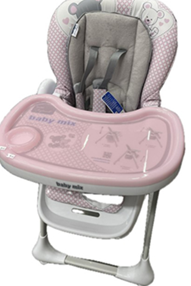 | Lithuania | The product breaks easily by falling on the floor. It can therefore cause injuries to the child and bystanders. Moreover, the fall can generate small parts. A small child can put them in the mouth and choke. The product does not comply with the requirements of the General Product Safety Directive nor with the European standard EN 14988. |
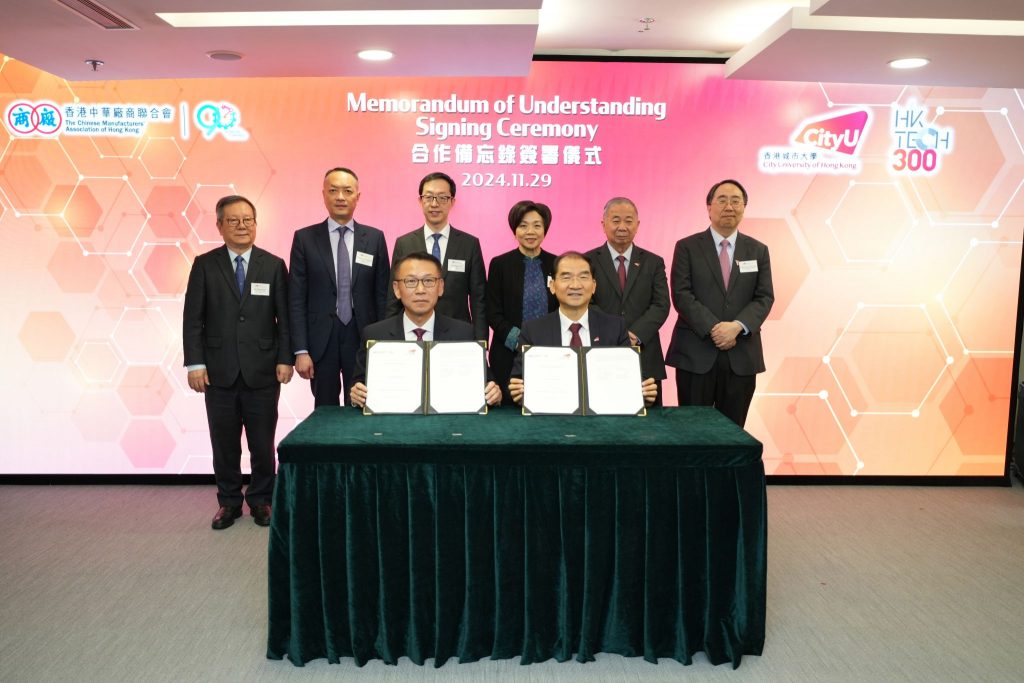
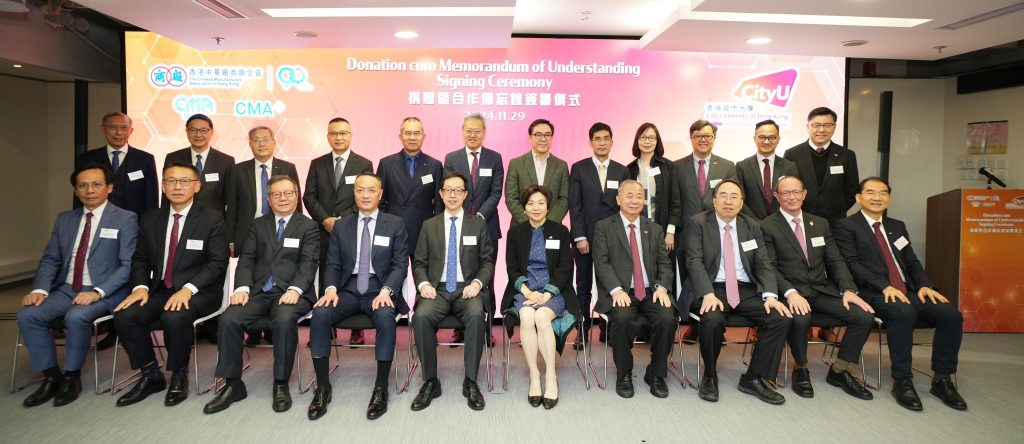
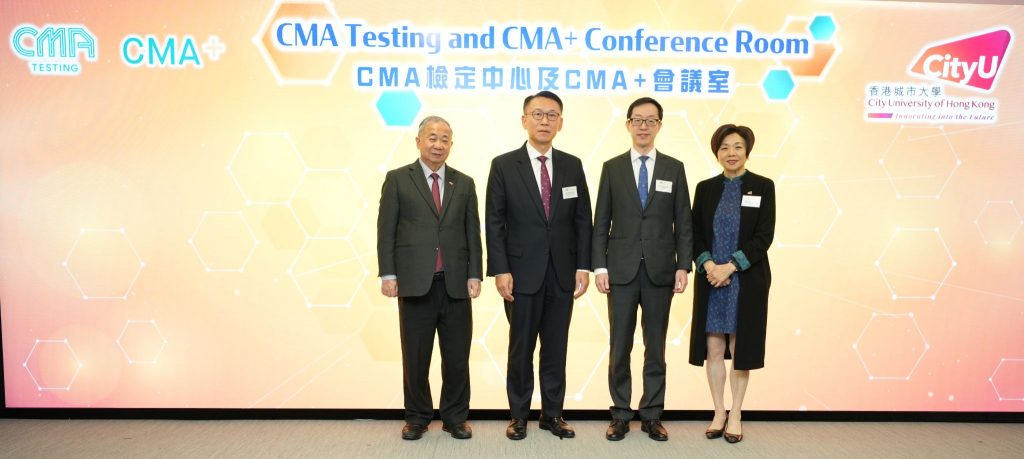
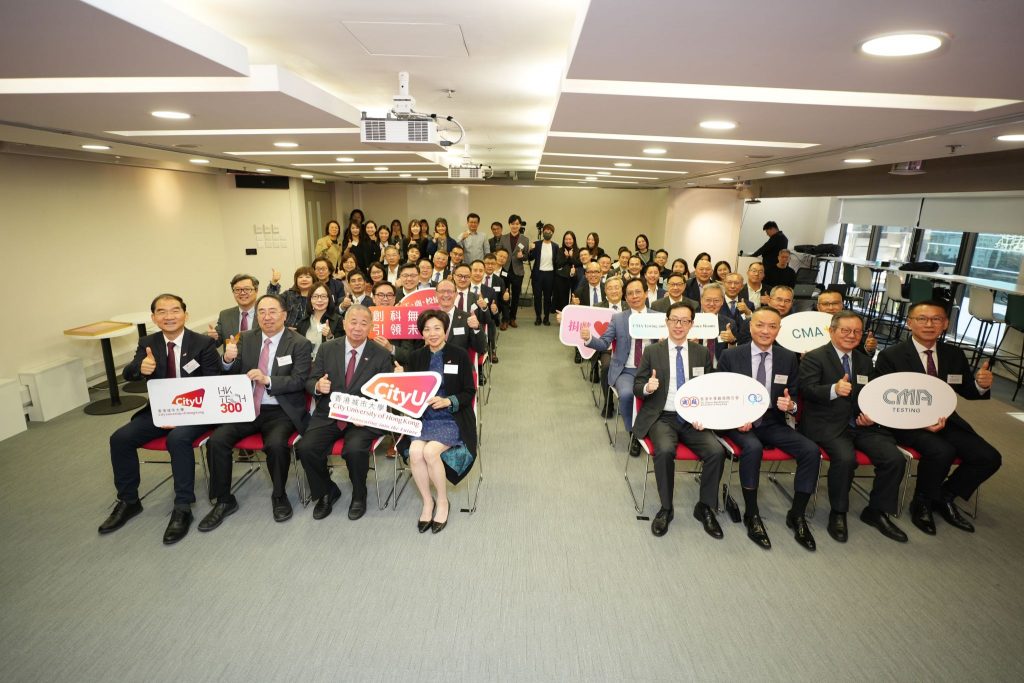
The Chinese Manufacturers’ Association of Hong Kong (CMA)’s Donation cum Memorandum of Understanding Signing Ceremony with City University of Hong Kong (CityUHK) was held successfully on 29 November 2024, aiming at fostering a strategic partnership between the two organizations in industry and academia. The donation ceremony for CMA Testing took place at the same venue to support the HK Tech 300 and other education programmes at CityUHK. The conference room within the HK Tech 300 Co-working space has been designated as the “CMA Testing and CMA+ Conference Room.”
Ms. Lilian Chiang Sui-fook, Deputy Chairman of the Council of CityUHK, and Prof. Freddy Boey, President and University Distinguished Professor of CityUHK, were present at the ceremony. Dr. Wingco Lo Kam-wing, President of the CMA, The Honourable Jimmy Ng Wing-Ka, Member (Industrial-Second) of the Legislative Council of the HKSAR, Dr. Ma Kai-yum, Executive Vice President of the CMA, Mr. Jackson Leung Siu-yin, Vice President of the CMA, Mr. Robert Lok Pak-keung, Vice President of the CMA and Chairman of CMA Testing, and other board members, all of whom came to show their support.

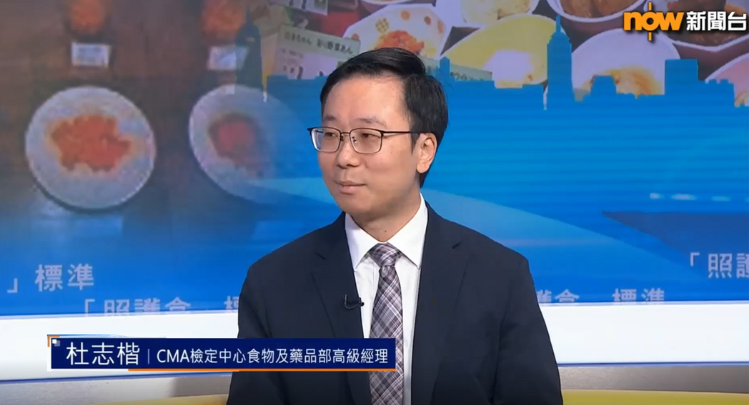
Our Kenneth To, Senior Manager of Food and Pharmaceutical Division of the CMA Testing, and Dr. Jessica Tam, Business Director of the Hong Kong Council of Social Service, were invited to discuss the importance and preparation work of “Care Food Greater Bay Area Standards” on Now TV’s 《News Magazine》 on 25 November 2024.
Rewatching the programme of《News Magazine》- ”Care Food Greater Bay Area Standards”:

CMA Testing proudly signed a Memorandum of Understanding (MoU) with the Islamic Food Research Centre (Hong Kong) Co., Ltd. (IFRS) on 20 November 2024, marking a significant step towards enhancing the concernment of Halal certification across Hong Kong, mainland China, and worldwide.
Our Chief Operations Officer, Mr. Dominic Lam, and the Chief Executive Officer of the Islamic Food Research Centre (Hong Kong) Co., Ltd., Mrs. Naili Hastika binti Abdullah Fahim, signed the MoU during the conference. The ceremony was filled with optimism and shared visions for the future. We are thrilled to be looking forward to the positive impact our partnership will bring!

On 7 November 2024, the European Chemicals Agency (ECHA) has added one new chemicals to the candidate list of substances of very high concern (SVHC), the Candidate List of SVHC now contains 242 entries for chemicals.
Entries added to the Candidate List on 7 November 2024 and their properties:
| No | Substances Name | EC No. | CAS No. | Reason for proposing | Use |
| 1 | Triphenyl Phosphate | 204-112-2 | 115-86-6 | Endocrine disrupting properties (Article 57(f) – environment) | Flame retardant and plasticiser in polymer formulations, adhesives and sealants. |
Under REACH, companies have legal obligations when their substance is included – either on its own, in mixtures or in articles – in the Candidate List.
If an article contains a Candidate List substance above a concentration of 0.1 % (weight by weight), suppliers have to give their customers and consumers information on how to use it safely. Consumers have the right to ask suppliers if the products they buy contain substances of very high concern. Importers and producers of articles have to notify ECHA if their article contains a Candidate List substance within six months from the date it has been included in the list (7 November 2024).
Under the Waste Framework Directive, companies also have to notify ECHA if the articles they produce contain substances of very high concern in a concentration above 0.1 % (weight by weight). This notification is published in ECHA’s database of substances of concern in products (SCIP).
Our laboratory has the latest testing equipment and a professional team, has the ability to test triphenyl phosphate, please contact us for more details.
Source: https://echa.europa.eu/-/echa-adds-one-hazardous-chemical-to-the-candidate-list-1

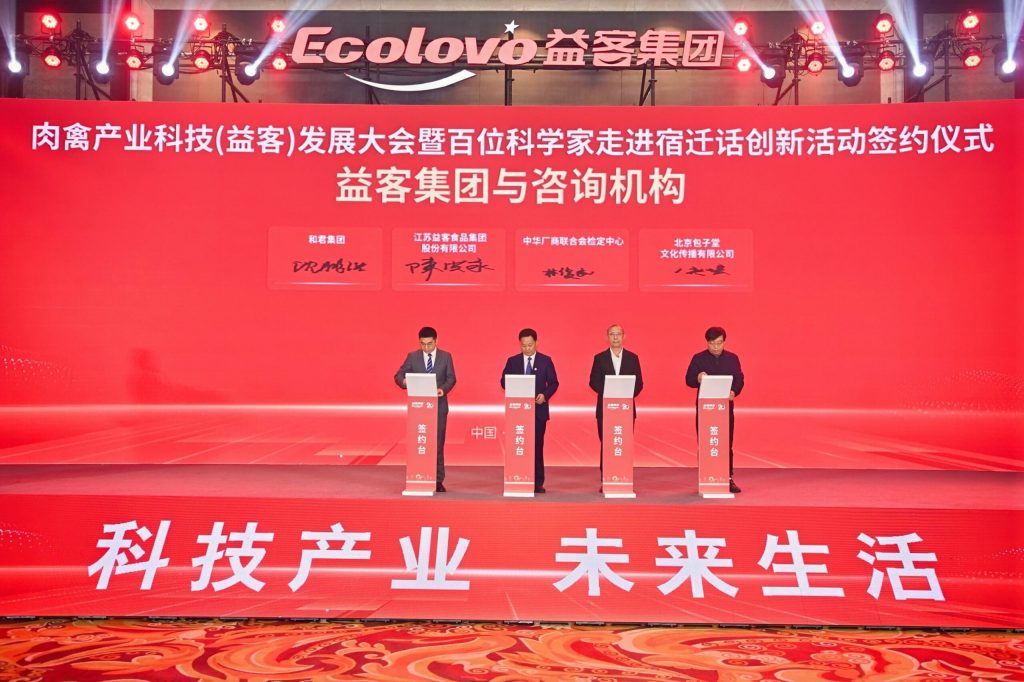

CMA Testing is honored to sign a strategic partnership agreement with Ecolovo to establish the Ecolovo CMA+ Joint Innovation R&D Center, with the main focus on food and related ecological fields. The centre will replicate the resources and operational model of CMA+. A Steering Committee includes representatives from government, industry, academia, and research institutes to gather Hong Kong and international talents and technologies in technological innovation and sustainable development in support of the development of national and related enterprises in the fields of technological innovation, industrial upgrading, and green and sustainable development.

On October 16, 2024, the European Chemicals Agency (ECHA) announced that the Member State Committee (MSC) of the European Union had officially agreed during its October meeting to identify Triphenyl Phosphate (TPP) as a Substance of Very High Concern (SVHC) due to its endocrine-disrupting properties, which may have adverse effects on the environment. ECHA plans to formally include this substance in the SVHC list in early November, bringing the total number of substances on the list from 241 to 242.
The detailed information of the substance is as follows:
| Substance name | EC No. | CAS No. | Reason | Usage |
| Triphenyl phosphate | 204-112-2 | 115-86-6 | Endocrine-disrupting properties (Article 57(f) – environment) | Adhesives and sealants, coating products and cosmetics and personal care products |
Source: https://echa.europa.eu/-/highlights-from-october-msc-meeting
1. Maryland’s restrictions on lead and PFAS in playground surface materials take effect on October 1, 2024
On May 9, 2024, the governor of Maryland signed HB 1147(Chapter 488) into law to regulate lead and PFAS chemicals in playground surfacing materials. The restrictions will become effective on October 1, 2024.
The restriction requirements are as follows:
- Lead content ≤ 90ppm
- PFAS are prohibited if intentionally added
https://legiscan.com/MD/bill/HB1147/2024
2. CPSC proposes to revise the requirements for water bead toys and toys that contain water beads
On September 9, 2024, the US Consumer Product Safety Commission (CPSC) published a notice of proposed rulemaking (NPR). CPSC proposes to establish performance and labeling requirements to the existing mandatory toys safety standard ASTM F963-23 for water bead toys and toys containing water beads to minimize the risk of children ingesting, inserting, aspirating, and choking on water beads. The provisions of this part are intended to eliminate or adequately reduce the risk of injury and death to children from water bead toy hazards. The public comment period will be open until November 8, 2024.
This NPR would apply to any water bead objects and objects that contain water beads designed, manufactured, or marketed as a plaything for children under 14 years of age. The definition of water bead(s) is various shaped, water absorbent polymers, such as, but not limited to polyacrylamides and polyacrylates, which expand when soaked in water. Toys that contain water beads are toys that encompass water beads within the toy and the water beads are not intended to be accessed, such as toy experiment kits, toy sensory kits, toy squeeze/sensory balls filled with water beads, and toy water pellet guns designed to shoot water bead projectiles.
3. The U.S. Environmental Protection Agency delays the reporting period for this rule on per- and polyfluoroalkyl substances (PFAS)
On September 5, 2024, the U.S. Environmental Protection Agency (EPA) announced a direct final rule to amend the Toxic Substances Control Act (TSCA) regulation with reporting and recordkeeping requirements for perfluoroalkyl and polyfluoroalkyl substances (PFAS). This direct final rule changes the beginning of data submission period from November 12, 2024 to July 11, 2025. For article importers,the submission period shall begin on July 11, 2025, and last for 6 months: July 11, 2025, through January 11, 2026. For a small manufacturer, the submission period shall begin on July 11, 2025, and last for 12 months: July 11, 2025, through July 11, 2026.
4. Minnesota delays control of some chemicals
Recently, the governor of Minnesota signed HF 3911 (Chapter 116) into law. Section 31 to this environmental and natural resources supplemental budget bill authorizes the commissioner of the MPCA to postpone the enforcement of the 2023 law on the prohibition of PFAS and restriction of lead and cadmium in certain products to July 1, 2025.specifically for the following product categories:
| Products | Requirements |
| Pens and mechanical pencils | lead≤ 90 ppm |
| Internal electronic components of key fobs | lead≤ 90 ppm ;cadmium ≤ 75 ppm |
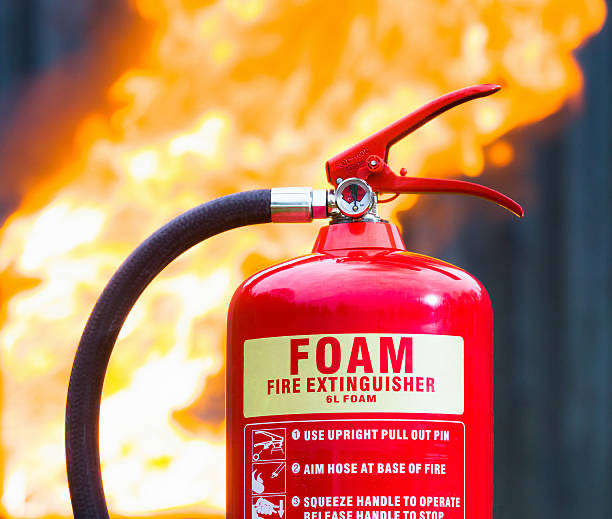
| Firefighting foam used in fire suppression systems installed in airport hangers | Prohibits PFAS if intentionally added |
| Electronic or other internal components of upholstered furniture | Prohibits PFAS if intentionally added |
https://legiscan.com/MN/bill/HF3911/2023
5. California bans the use of DEHP in medical devices
On September 25, 2024, the Governor of California approved Bill AB2300, which establishes strict restrictions on the use of Di-(2-ethylhexyl) phthalate (DEHP) in medical devices, particularly in intravenous solution containers and intravenous tubing. The specific requirements are as follows:
- Commencing January 1, 2030, prohibit intravenous solution containers made with intentionally added DEHP.
- Commencing January 1, 2035, prohibit intravenous tubing made with intentionally added DEHP.
- In addition to DEHP, the bill also prohibits the use of the following substances as plasticizers: BBP, DBP, DCHP, DEP, DIBP, DIDP, DINP, DnHP, DNOP, DnPP, and DIHP.
https://legiscan.com/CA/text/AB2300/id/3022639
6. California approves AB347 to strengthen PFAS restrictions on juvenile products, textiles, and food packaging
On September 25, 2024, the Governor of California approved Bill AB 347, adding comprehensive registration, certification, and enforcement provisions to California’s existing and forthcoming restrictions on the use of PFAS in covered products: juvenile products, textile articles, and food packaging. The main requirements of AB 347 are as follows:
- This bill would require the Department of Toxic Substances Control, on or before January 1, 2029, to adopt regulations for the enforcement of those prohibitions on the use of PFAS, and, on and after July 1, 2030, to enforce and ensure compliance with those provisions and regulations, as provided.
- The bill would require manufacturers of these products, on or before July 1, 2029, to register with the department, to pay a registration fee to the department, and to provide a statement of compliance certifying compliance with the applicable prohibitions on the use of PFAS to the department, as specified.
- The bill would authorize the department to test products and to rely on third-party testing to determine compliance with prohibitions on the use of PFAS, as specified. The bill would require the department to issue a notice of violation for a product in violation of the prohibitions on the use of PFAS, as provided.
The bill would authorize the department to assess an administrative penalty for a violation of these prohibitions and would authorize the department to seek an injunction to restrain a person or entity from violating these prohibitions, as specified. The bill would require the department, on or before July 1, 2033, to submit a report to the Legislature regarding its compliance and enforcement activities performed pursuant to these provisions, as specified.
https://leginfo.legislature.ca.gov/faces/billTextClient.xhtml?bill_id=202320240AB347#85CHP
7. ASTM releases a new standard consumer safety specification for soft infant and toddler carrier
On August 13, 2024, the American Society for Testing and Materials (ASTM) released a new version standard ASTM F2236-24, which establishes performance requirements, teesting methods, labeling, and usage instructions for soft infant and toddler carriers. Compared to the previous version, the biggest change in ASTM F2236-24 is the update of the labeling and instructions content, and the addition of a format requirement for warning statements. Other changes include updated definitions, flammability testing clauses, and requirements for non-toy accessories.
https://www.astm.org/f2236-24.html
8. ASTM releases a new standard consumer safety specification for infant and infant/toddler rockers
On July 31, 2024, the American Society for Testing and Materials (ASTM) released a new version standard ASTM F3084-24, which establishes performance requirements, testing methods, labeling, and usage instructions for infant and infant/toddler rockers. Compared to the previous version, the biggest change in ASTM F3084-24 is additional assessment of tethered strap or cord entrapment or entanglement for non-occupants. This assessment includes tethered strap(s) or cord(s), alone or in conjunction with the product.
https://www.astm.org/f3084-24.html
9. ECHA proposes consultations on six substances to identify substances of high concern
On August 30, 2024, the European Chemicals Agency (ECHA) conducted a public review of six potential substances of high concern (SVHC) and the deadline was on October 14, 2024. If publicly evaluated, these 6 substances will be added to the SVHC list as the 32nd batch of SVHC substances.
Substances and their hazardous properties included in the SVHC candidate list as below:
| No. | Substances | EC No. | CAS No. | Use to |
| 1 | 6-[(C10-C13)-alkyl-(branched, unsaturated)-2,5-dioxopyrrolidin-1-yl]hexanoic acid | 701-118-1 | 2156592-54-8 | Hydraulic oil, lubricating oil and grease, and metalworking fluid. |
| 2 | O,O,O-triphenyl phosphorothioate | 209-909-9 | 597-82-0 | Lubricants and greases |
| 3 | Octamethyltrisiloxane | 203-497-4 | 107-51-7 | Cosmetics and personal care products, as well as washing and cleaning products. |
| 4 | Perfluamine | 206-420-2 | 338-83-0 | Electrical, electronic, optical equipment and machinery, vehicles. |
| 5 | Reaction mass of: triphenylthiophosphate and tertiary butylated phenyl derivatives | 421-820-9 | 192268-65-8 | Hydraulic oil, lubricating oil, and grease. |
| 6 | Tris(4-nonylphenyl, branched) phosphite | 701-028-2 | / | Adhesives and sealants, coating products, and polymers. |
https://www.echa.europa.eu/substances-of-very-high-concern-identification
10. EU Regulation (EU) 2024/2462: New restrictions on PFHxA, its salts and PFHxA-related substances
On September 20, 2024, the Official Journal of the European Union published Regulation (EU) 2024/2462, amending Annex XVII of the REACH Regulation to include a new entry (79) concerning the restriction of undecafluorohexanoic acid (PFHxA), its salts and PFHxA-related substances. This regulation will automatically become law in member states 20 days after its publication and will be enforced, having universal binding force and directly applicable to all EU member states. The European Chemicals Agency (ECHA) has compiled a non-exhaustive list of PFHxA and its salts and related substances.
Main Limit Requirements: in a concentration less than 25 ppb for the sum of PFHxA and its salts, 1000 ppb for the sum of PFHxA-related substances, measured in homogeneous material.
https://eur-lex.europa.eu/legal-content/EN/ALL/?uri=OJ:L_202402462
11. EU amends POPs Regulation to lower the limit value for hexabromocyclododecane (HBCDD)
On September 27, 2024, the Official Journal of the European Union published Regulation (EU) 2024/2555, amending POPs Regulation (EU) 2019/1021, officially lowering the limit value for hexabromocyclododecane (HBCDD) from 100mg/kg to 75mg/kg. This Regulation shall enter into force on the twentieth day following that of its publication in the Official Journal of the European Union.
https://eur-lex.europa.eu/legal-content/EN/TXT/?uri=OJ:L_202402555
12. EU amends POPs Regulation to add restriction of Methoxychlor
On September 27, 2024, the Official Journal of the European Union published Regulation (EU) 2024/2570, amending POPs Regulation (EU) 2019/1021 , officially adding the restriction on methoxychlor to Annex I of the POPs Regulation.. The list of POPs Annex I prohibited substances will be increased from 29 to 30.The concentrations of methoxychlor equal to or below 0,01 mg/kg (0,000001 % by weight) where they are present in substances, mixtures or article.This Regulation shall enter into force on the twentieth day following that of its publication in the Official Journal of the European Union.
https://eur-lex.europa.eu/legal-content/EN/TXT/?uri=OJ:L_202402555
13. The German Federal Institute for Risk Assessment (BfR) updated its recommendations on food contact materials involve natural and synthetic rubber
On September 1, 2024, the German Federal Institute for Risk Assessment (BfR) updated its recommendations on food contact materials, involve natural and synthetic rubber, which is effective from the date of publication.
| Recommendations No. | Commendation Recommendations |
| XXI | Commodities based on natural and synthetic rubber |
| XXI/1 | Commodities based on natural and synthetic rubber in contact with food |
| XXI/2 | Special consumer goods made of natural and synthetic rubber and of latices made of natural and synthetic rubber (formerly special category) |
https://empfehlungen.bfr.bund.de/recommendations?locale=en
14. Canada announces new reporting rules for PFAS
In order to strengthen the regulation of PFAS (perfluorinated and polyfluoroalkyl substances) and ensure that relevant enterprises and individuals can report in detail the production, import, and use of these substances, so that the government can better assess their environmental risks and take corresponding management measures, the Canadian government has issued a new measure in accordance with Section 71 (1) (b) of the Canadian Environmental Protection Act (CEPA) of 1999. This measure requires responsible parties within Canada to submit PFAS data information produced, imported, or used as individual substances, mixtures, or items within 2023 by January 29, 2025. This requirement covers 312 known or expected PFAS for commercial use, with a list divided into three parts: Part 1 (273 items), Part 2 (26 items), and Part 3 (13 items).
https://canadagazette.gc.ca/rp-pr/p1/2024/2024-07-27/html/sup-eng.html
15. EU amends the list of harmonized standards under the General Product Safety Directive
On 13 September 2024, the Official Journal of the European Union published Decision (EU) 2024/2426, amending Annex I of Decision (EU) 2019/1698. Decision (EU) 2019/1698 is a list of harmonized safety standards developed to support the General Product Safety Directive (2001/95/EC) .The amendment mainly involves certain children’s care products, children’s furniture, gymnastic equipment, and laser products. This Decision shall enter into force on the day of its publication in the Official Journal of the European Union. Points (1), (3) and (5) of Annex I shall apply from 13 March 2026.
https://eur-lex.europa.eu/legal-content/EN/TXT/?uri=OJ:L_202402406
16. New South Wales in Australia will include E-bike, skateboards and other products in mandatory certification scope
On August 2, 2024, the New South Wales in Australia announced that E-bike, electric scooter, electric skateboards, and related batteries will be included in the mandatory certification scope.
February 1, 2025: Mandatory compliance with GAZETTE standard requirements;
August 1, 2025: Mandatory Australian safety certification;
February 1, 2026: Mandatory marking of certification number on products.
The specific products list is as follows:
| Products | Standards |
| E-bike | AS 15194 :2016;or EN 15194:2017 + A1:2023;or UL 2849 |
| Electric Scooter | AS/NZS 60335.2.114:2018 (until 30/11/2026); or AS/NZS 60335.2.114:2023; or EN 17128; or UL 2272 |
| Self-balancing Scooter | AS/NZS 60335.2.114:2018 (until 30/11/2026); or AS/NZS 60335.2.114:2023; or EN 17128; or UL 2272 |
| Electric skateboard | AS/NZS 60335.2.114:2018 (until 30/11/2026); or AS/NZS 60335.2.114:2023: or EN 17128; or UL 2272 |
| E-bike battery | EN 50604-1:2016 +A1:2021; or IEC 62133-2:2017; or UL 2271 |
| E-micromobility battery | AS/NZS 60335.2.114:2018 (until 30/11/2026); or AS/NZS 60335.2.114:2023: or UL 2271 |
17. Japan proposes to ban 138 PFOA-related compounds
On September 9, 2024, the Japanese Ministry of Health, Labor and Welfare, Ministry of Economy, Trade and Industry, and Ministry of the Environment jointly released a draft, proposing to ban 138 perfluorooctanoic acid (PFOA)-related compounds by designating them as class I specified chemical substances. This will fall under under the Order for Enforcement of the Act on the Evaluation of Chemical Substances and Regulation of their Manufacture. The government is seeking comments on the draft through Oct. 9, 2024. After public comments are considered, the final version of the ministerial order is planned to be published in November 2024, and come into effect Jan. 10, 2025.
PFOA, also known as C8, are perfluorinated compounds that are used as synthetic surfactants in a number of products including lubricants, paints, cosmetics, food packaging, nonstick pans and fire-fighting foam. PFOA has been classified as ‘carcinogenic to humans’ by the International Agency for Research on Cancer (IARC).
https://public-comment.e-gov.go.jp/pcm/download?seqNo=0000279412
18. The first national standard for pet products GB/T 43839-2024 will be officially implemented in October
On March 15, 2024, the State Administration for Market Regulation and the National Standardization
Administration issued the first national standard for pet products GB/T 43839-2024 ” Safety technical requirements for products used for companion animals (pets)”, which will be officially implemented on October 1, 2024. The standard covers a wide range of product categories and specifies requirements for physical and mechanical properties, chemical safety, electrical safety, microbiological indicators, toxicological safety, and product identification.
https://openstd.samr.gov.cn/bzgk/gb/newGbInfo?hcno=10E4B1D17788D0E7F8F24D87C7278619
19. Five national standards of the GB/T 39560 series for electrical and electronic products have been officially released
On August 23, 2024, China’s State Administration for Market Regulation (National Standardization Administration) published Announcement (No. 17 of 2024) approving release of 335 national standards. These include five national standards of the GB/T 39560 series for electrical and electronic products, namely: GB/T 39560.10-2024 “Determination of certain substances in electrical and electronic products-Part 10: Polycyclic aromatic hydrocarbons (PAHs) in polymers and electronics by gas chromatography-mass spectrometry (GC-MS) “, GB/T 39560.2-2024″ Determination of certain substances in electrical and electronic products—Part 2: Disassembly, disjointment and mechanical sample preparation” , GB/T 39560.302-2024 “Determination of certain substances in electrical and electronic products—Part 3-2: Screening fluorine, chlorine and bromine in polymer and electronics by combustion-ion chromatography (C-IC)” , GB/T 39560.303-2024 “Determination of certain substances in electrical and electronic products—Part 3-3: Screening polybrominated biphenyls, polybrominated diphenyl ethers and phthalates in polymers by gas chromatography-mass spectrometry using a pyrolyser/thermal desorption accessory (Py/TD-GC-MS) “, GB/T 39560.9-2024 “Determination of certain substances in electrical and electronic products—Part 9: Hexabromocyclododecane in polymers by gas chromatography-mass spectrometry (GC-MS) “.All five standards will be implemented on December 1, 2024.
https://std.sacinfo.org.cn/gnoc/queryInfo?id=3CC5773350EB0D026D2DC2B
Recall
EU rapid alert system for dangerous non-food products (Rapex) (Report-2024-36—Report-2024-39) :
https://ec.europa.eu/safety-gate-alerts/screen/webReport#weeklyReports
Canada Recall:https://recalls-rappels.canada.ca/en/search/site
Australian Recall:https://www.productsafety.gov.au/recalls
US CPSC Recall:https://www.cpsc.gov/Recalls
Recall case:
| Product category | Sample images | Notification submitted by | Reason for recall |
|---|---|---|---|
| High Chairs | 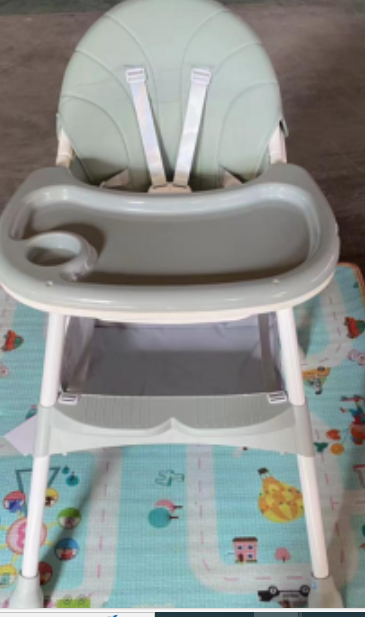 | US | The recalled high chairs violate the regulations for high chairs, as the leg openings on the high chair are too wide, posing an entrapment hazard to infants. Additionally, the high chairs pose a fall hazard because the tray can become disengaged from the product. |
| Children’s Ring Sets | 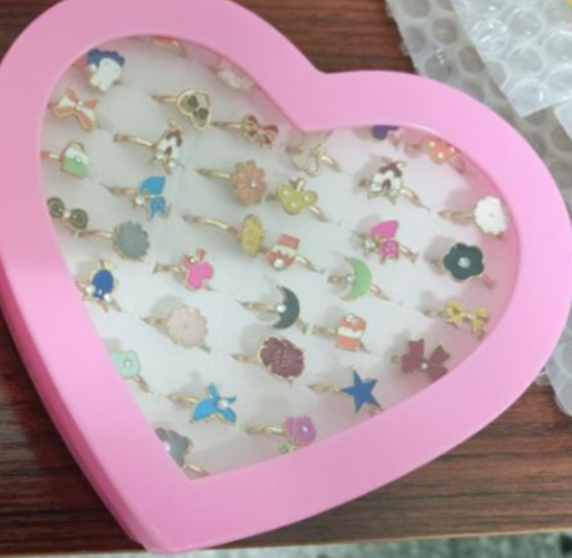 | US | The rings contain levels of lead that exceed the federal lead content ban and levels of cadmium that are prohibited in children’s products by the Federal Hazardous Substances Act. Lead and cadmium are toxic if ingested by young children and can cause adverse health effects. |
| Desk lamps | 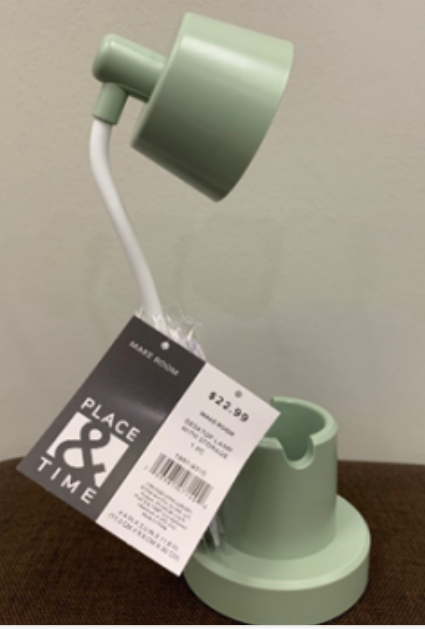 | US | The desk lamp’s battery compartment can overheat while using the USB charging cord, posing a fire hazard. |
| Climbing harnesses | 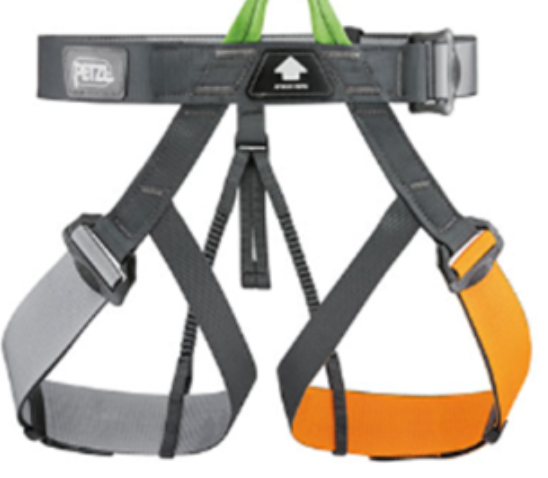 | US Canada | The recalled harness can be put on backwards and the rope or carabiner can be attached to a non-weight-bearing leg loop elastic band, placing the user at risk of falling from height and sustaining serious injury, including paraplegia or death. |
| Glow in Dark Party Supplies Toy Sets | 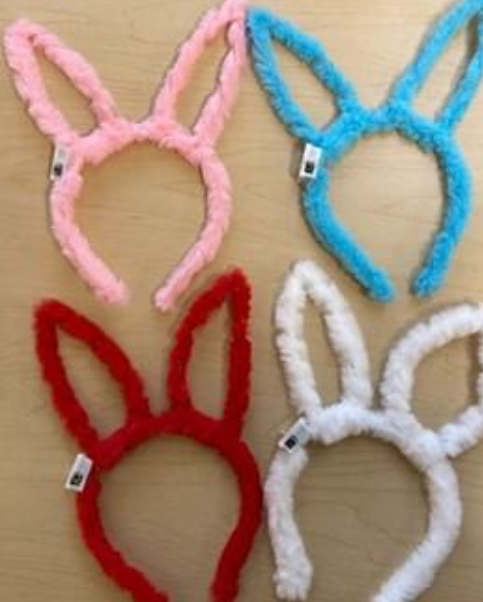 | US | The recalled Glow in Dark Supplies Toy Sets violate the mandatory federal battery-operated toy regulation because the Bunny Ears Headbands found in the sets contain button cell batteries that can be easily accessed without requiring the use of a common household tool. When button cell batteries are swallowed, the ingested batteries can cause serious injuries, internal chemical burns and death, posing an ingestion hazard to children. |
| Plastic shoes A12/02557/24 | 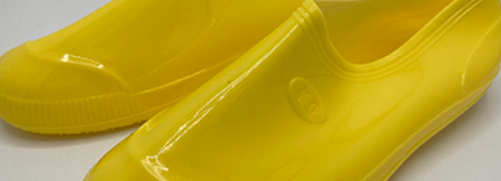 | Sweden | The plastic material of the product has an excessive concentration of dibutyl phthalate (DBP) (measured value: 29% by weight). This phthalate may harm the health by causing possible damage to the reproductive system. The product does not comply with the REACH Regulation. |
| Slippers A12/02674/24 | 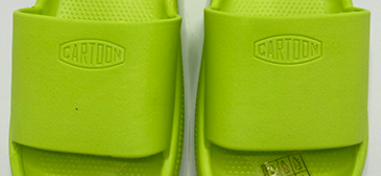 | Sweden | The plastic material of the shoes contains excessive concentrations of bis(2-ethylhexyl) phthalate (DEHP) and dibutyl phthalate (DBP) (measured values up to 1.2% and 20% by weight, respectively). These phthalates may harm the health of children by causing possible damage to their reproductive system. Moreover, it contains cadmium and lead (measured values up to 0.026% and 0.084% by weight, respectively). Lead is harmful to human health, accumulates in the body, can cause developmental neurotoxicity and may also affect breast-fed or unborn children. Cadmium is harmful to human health because it accumulates in the body, can damage the kidneys and bones, and it may cause cancer. The product does not comply with the REACH Regulation |
| Earrings A12/02554/24 | 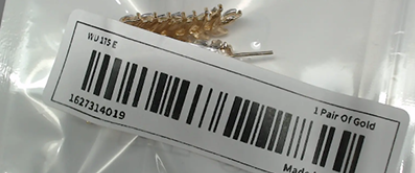 | France | The product has an excessive concentration of cadmium and lead (measured values up to: 47% and 31% by weight, respectively). Cadmium is harmful to human health because it accumulates in the body, can damage the kidneys and bones and it may cause cancer. Lead is harmful to human health, accumulates in the body, can cause developmental neurotoxicity and may affect breast-fed or unborn children. The product does not comply with the REACH Regulation |
| LED lamp box A12/02513/24 | 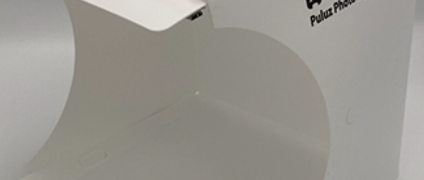 | Sweden | The solders in the product have an excessive concentration of lead in solders (measured value up to 45.6% by weight). Lead poses a risk to the environment. The product does not comply with the requirements of the Directive on the restriction of the use of certain hazardous substances in electrical and electronic equipment (RoHS 2 Directive). |
| Head lamp A12/02507/24 | 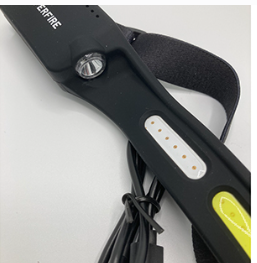 | Sweden | The solders in the product have an excessive concentration of lead (measured value up to 85%). It also contains DBP and DEHP in plastic parts (measured value up to 1,4 and 2,1% respectively). The product contains excessive concentrations of SCCP in plastic (measured value up to 3,4%). Lead poses a risk to the environment. Phthalates poses a risk to human health and the environment. SCCPs persist in the environment, are toxic to aquatic organisms at low concentrations and bio-accumulate in wildlife and humans, posing a risk to human health and the environment. Prolonged exposure to them through the skin may cause cancer. The product does not comply with the requirements of the Directive on the restriction of the use of certain hazardous substances in electrical and electronic equipment (RoHS 2 Directive) nor with the Persistent Organic Pollutants (POP) Regulation. |
| Handheld fan A12/02647/24 | 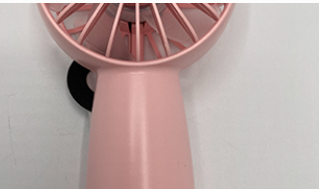 | Sweden | The solders of the product have excessive concentrations of lead (measured value up to 50.5% by weight). Lead poses a risk to the environment. The product does not comply with the requirements of the Directive on the restriction of the use of certain hazardous substances in electrical and electronic equipment (RoHS 2 Directive). |
| 软体玩具 A12/02546/24 |  | France | The toy contains small parts (eye and suction cup) which can easily detach. A small child may put them in the mouth and choke. Moreover, the fibrous stuffing material of the toy is easily accessible due to the weakness of certain seams. A small child may put the filling material in the mouth and choke. The product does not comply with the requirements of the Toy Safety Directive nor with the European standard EN 71-1. |
| Toy gun set A12/02645/24 | 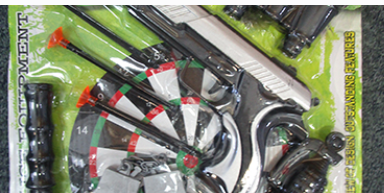 | Cyprus | The suction cups of the projectiles can easily detach. If a child puts them in the mouth, it may block the airways and the child can choke. The product does not comply with the requirements of the Toy Safety Directive nor with the European standard EN 71-1. |
| Puzzle mat A12/02642/24 | 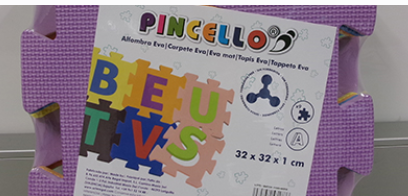 | Spain | The puzzle mat can easily break, resulting in small parts. Small children may put them in the mouth and choke. The product does not comply with the requirements of the Toy Safety Directive nor with the European standard EN 71-1. |
| Fancy-dress costume A12/02543/24 | 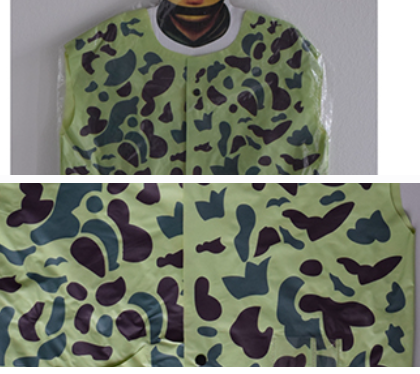 | Hungary | The product is highly flammable and may catch fire if worn close to an ignition source, resulting in burns. The product does not comply with the requirements of the Toy Safety Directive nor with the European standard EN 71-2. |
| Children’s short pants A12/02570/24 | 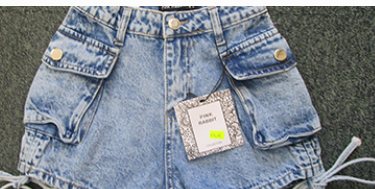 | Cyprus | The functional cords on the lower hems of the pants can become trapped during various activities of a child, leading to injuries. The product does not comply with the requirements of the General Product Safety Directive nor with the European standard EN 14682. |
| Children’s fancy dress A12/02585/24 | 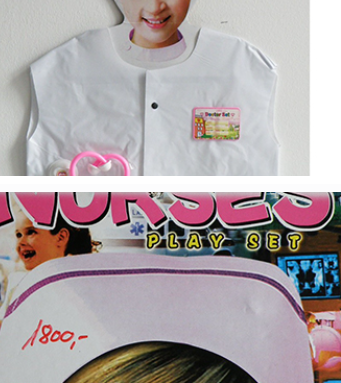 | Hungary | The vest of the costume is highly flammable and may catch fire if worn close to an ignition source, resulting in burns. The product does not comply with the requirements of the Toy Safety Directive nor with the European standard EN 71-2. |
| Children’s clothing set A12/02631/24 | 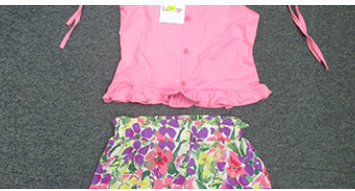 | Cyprus | The product has long functional cords with free ends in the neck area which can become trapped during various activities of a child, leading to injuries and strangulation. The product does not comply with the requirements of the General Product Safety Directive nor with the European standard EN 14682 |
| Children’s bikini A12/02633/24 | 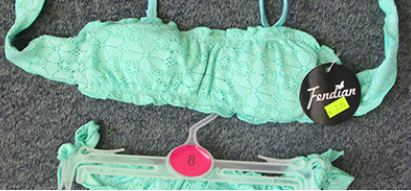 | Cyprus | The product has functional cords with free ends to be tied around the back area. The cords may become trapped during various activities of a child, leading to injuries. The product does not comply with the requirements of the General Product Safety Directive nor with the European standard EN 14682. |
| Hoodie A12/02648/24 | 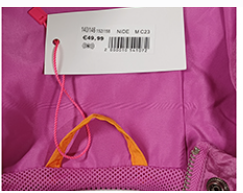 | Belgium | The product bears functional cords with free ends and toggles in the waist area. These elastic cords can become trapped during various activities of a child, leading to injuries. The product does not comply with the requirements of the General Product Safety Directive nor with the European standard EN 14682. |
| Toy slime A12/02569/24 | 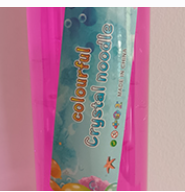 | Germany | The migration of boron from the toy slime is too high (measured value: 786 mg/kg). Ingestion or contact with an excessive quantity of boron may harm the health of children by damaging their reproductive system. The product does not comply with the requirements of the Toy Safety Directive nor with the European standard EN 71-3 |
| Toy slime A12/02566/24 |  | Germany | The migration of boron from the toy slime is too high (measured value: 801 mg/kg). Ingestion or contact with an excessive quantity of boron may harm the health of children by damaging their reproductive system. The product does not comply with the requirements of the Toy Safety Directive nor with the European standard EN 71-3. |
| Toy slime A12/02565/24 |  | Germany | The migration of boron from the toy slime is too high (measured value: 827 mg/kg). Ingestion or contact with an excessive quantity of boron may harm the health of children by damaging their reproductive system. The product does not comply with the requirements of the Toy Safety Directive nor with the European standard EN 71-3 |
| Toy slime A12/02590/24 | 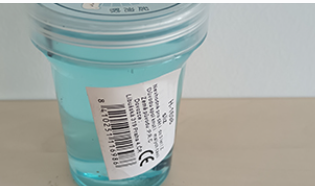 | Germany | The migration of boron from the toy slime is too high (measured value: 1350 mg/kg). Ingestion or contact with an excessive quantity of boron may harm the health of children by damaging the reproductive system. The product does not comply with the requirements of the Toy Safety Directive nor with the European standard EN 71-3 |
| Novelty lighter A12/02688/24 | 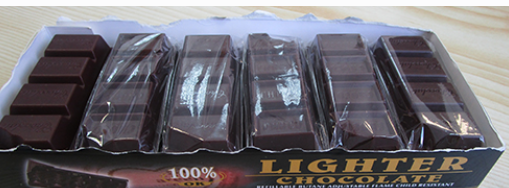 | Cyprus | The lighter is appealing to children due to its shape and colour. Children may play with it and suffer burns or cause a fire. The product does not comply with the requirements of the General Product Safety Directive nor the European standard EN 13869 |
| Tablecloth A12/02680/24 | 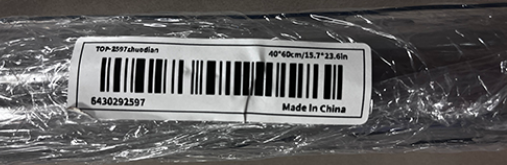 | Norway | The plastic material of the product has an excessive concentration of bis(2-ethylhexyl) phthalate (DEHP) (measured value up to 25.9% by weight). This phthalate may harm the health of children by causing possible damage to the reproductive system. The product does not comply with the REACH Regulation. |
| Tablecloth A12/02687/24 | 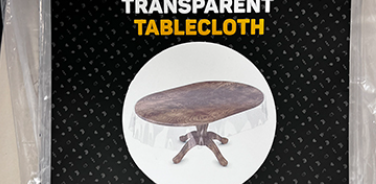 | Norway | The plastic material of the product contains an excessive amount of bis(2-ethylhexyl) phthalate (DEHP) (measured values up to 19% by weight) and cadmium (measured values up to 460 mg/kg). This phthalate may harm the health of children by causing possible damage to the reproductive system. Moreover, cadmium is harmful to human health because it accumulates in the body, can damage the kidneys and bones and it may cause cancer. The product does not comply with the REACH Regulation. |

On September 9, 2024, the Japanese Ministry of Health, Labor and Welfare, Ministry of Economy, Trade and Industry, and Ministry of the Environment jointly released a draft proposal to ban 138 perfluorooctanoic acid (PFOA)-related compounds. These compounds are proposed to be designated as class I specified chemical substances under the Order for Enforcement of the Act on the Evaluation of Chemical Substances and Regulation of their Manufacture.
- Public Comment Period: Open until October 9, 2024, allowing stakeholders to provide feedback.
- Finalization and Implementation: The final version of the ministerial order is expected to be published in November 2024 and come into effect on January 10, 2025.
- Health Risks: PFOA, also known as C8, is classified as ‘carcinogenic to humans’ by the International Agency for Research on Cancer (IARC).
- Affected Products: PFOA-related compounds are used in various products, including lubricants, paints, cosmetics, food packaging, nonstick pans, and fire-fighting foam.
Source: https://public-comment.e-gov.go.jp/pcm/download?seqNo=0000279412