









The U.S. Consumer Product Safety Commission (CPSC) is introducing an electronic filing (eFiling) system for the compliance certificate submission process for consumer products during importation. It is anticipated to be officially enforced and will become a mandatory requirement by 2025. The system enhances security, speeds compliant cargo flow through the port, and reduces the risk of shipping delays, as well as modernizes the import process, making it easier for importers to comply with safety regulations while protecting consumers from unsafe products.
CMA Testing will provide professional advice to assist U.S. importers complete electronic filing (eFiling) of compliance certificates for products more simply and smoothly.
For enquiries: Mr. Joey Kwok (+852) 2690 8255 / (+852) 6059 9644 | joeykwok@cmatesting.org
Source: https://www.cpsc.gov/eFiling
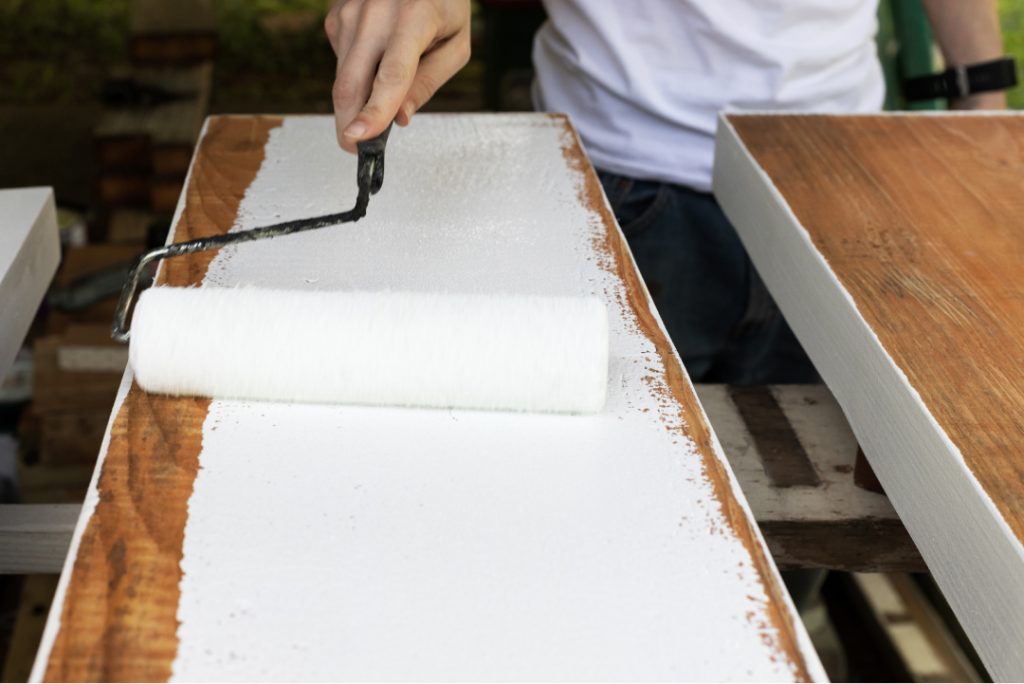
On 10 Jul 2024, the Ministries of Japan has published Cabinet Order no. 244 of 2024 to expand the restriction on perfluorooctanoic acid (PFOA) and its salts to PFOA, its isomer or their salts and PFOA-related compounds under the Act on the Evaluation of Chemical Substances and Regulation of their Manufacturer etc.
The Cabinet Order No. 244 contains several important provisions.
1. Designated the following substances as Class 1 Specified Chemical Substances:
- Perfluoro alkanoic acid (limited to those with a branched structure and eight carbon atoms) (PFOA isomers) or their salts.
- PFOA-related substances (perfluorooctyl iodide (PFOI), 8:2 fluorotelomer alcohol (8:2 FTOH), and substances that degrade to PFOA specified by the Ministry of Health, Labor and Welfare (MHLW), the Ministry of Economy, Trade and Industry (METI), and the Ministry of the Environment.)
2. Expanded the restriction for “PFOA or its salts” to “PFOA, its isomers, or their salts” under the Entry 34.
3. Added a new restriction on PFOA-related substances with certaintransition period for certain products in Entry 35.
4. Updated the Entry number for PFHxS to Entry 36.
The following designated products containing substances designated as Class 1 are prohibited from import:
| Entry | Substances | Products | Effective Date |
| 34 | PFOA, its isomers, or their salts | 1. Water resistant and oil resistant paper 2. Water repellent and oil repellent textiles 3. Cleaning agent 4. Anti-reflection agents used in the manufacturer of semiconductors 5. Paints and varnish 6. Water and oil repellent agent 7. Adhesives and sealing fillers 8. Fire extinguisher, fire-extinguishing agent, and fire-extinguishing foam 9. Toner for printer 10. Water resistant and oil resistant clothes 11. Water repellent and oil repellent floor covering 12. Floor waxes 13. Photographic paper | For PFOA or their salts: Effected in 2021 For PFOA isomers: 10 Sep 2024 |
| 35 | PFOA-related substances | 1. Water repellent and oil repellent textiles 2. Antifoaming agents 3. Water-repellent, oil-repellent, and antifouling agents and fiber protecting agents 4. Optical fibers or coating agents applied to optical fiber 5. Fire extinguisher, fire-extinguishing agent, and fire-extinguishing foam 6. Water resistant and oil resistant clothes 7. Water repellent and oil repellent floor covering 8. Floor waxes | 10 Jan 2025 |
Source: https://www.meti.go.jp/english/press/2024/0705_002.html
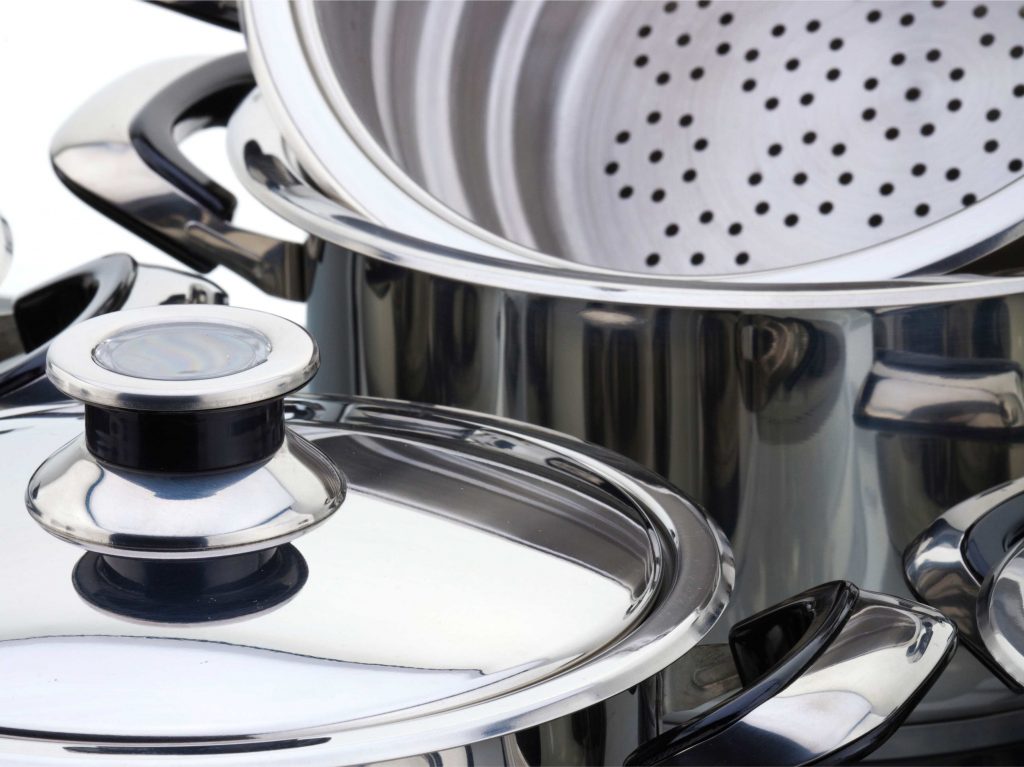
On August 1, 2024, the European Medicines Agency released the new version of the “Technical Guide on Metals and Alloys Used in Food Contact Materials and Articles” (EDQM), replacing the old version CM/Res (2013) 9. This guide has been widely recognized and is considered a reference standard for the safety and quality of metal materials and products.
The new technical guide supplements the European Commission’s Resolution CM/Res (2020) 9 on the safety and quality of materials and articles intended to come into contact with food, aiming to ensure the safety and quality of food contact materials and articles made of metals and alloys. The guide describes in detail the chemical elements that may be present as impurities in metal food contact products and sets specific release limits (SRL) for these elements.
This revision is based on Resolution CM/Res (2020)9 and takes into account the scientific opinions issued by the European Food Safety Authority (EFSA) since 2013 and the research results of relevant national risk assessment agencies (such as BfR, ANSES). The main updates include:
1. Updated element release limits (SRL)
| Substance Name | Previous Limit (SRL) mg/kg | New Limit (SRL) mg/kg |
| Chromium | 0.250 | 1 |
| Manganese | 1.8 | 0.55 |
| Thallium | 0.0001 | 0.001 |
| Zirconium | / | 2 |
2. Updated test conditions referring to the JRC guidelines, aligning with the “Test Conditions for Kitchen Utensils in Contact with Food: Plastics, Metals, Silicone and Rubbers, Paper&Board” 4th edition 2023.
3. Removed the declaration of conformity section from the first edition to comply with the guidelines specified in Section 8.2 of Resolution CM/Res(2020)9.
4. Clarified the requirements for determining disposable metal and alloy products: the first migration amount ≤ SRL.
Resource:https://freepub.edqm.eu/publications/PUBSD-128/detail?_refluxos=a10
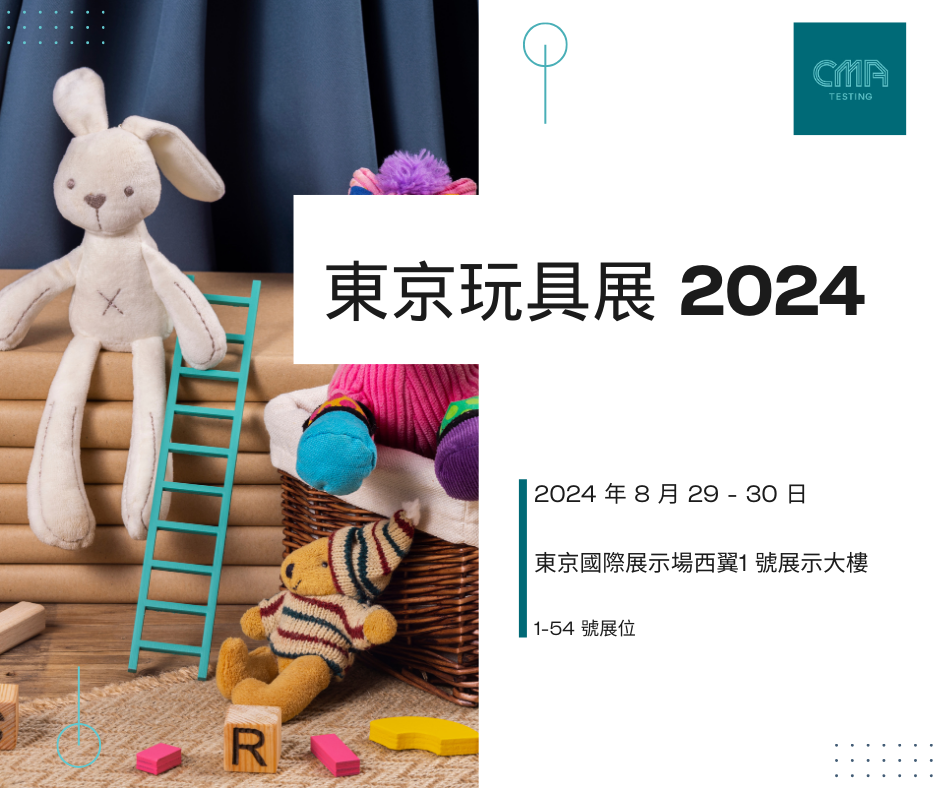
CMA Testing is pleased to announce its participation in the upcoming mega event, Tokyo Toy Show 2024. We are excited to present our testing services at the exhibition, offering valuable business insights, consultations, and the latest updates on toy safety standards, testing, and conformance requirements.
Welcome to meet our representatives at booth 1-54, West Hall 1, at Tokyo Big Sight during the Buyer’s Days on 29August and 30 August 2024.
| Show Period: | 29 August 2024 – 1 September 2024 | |
| Our Exhibition Date & Time: | 29 August 2024 (Thursday) | 10:00 – 17:30 |
| 30 August 2024 (Friday) | 09:30 – 17:00 | |
| Venue: | Tokyo International Exhibition Center (Tokyo Big Sight) 3-21-1 Ariake, Koto-ku, Tokyo 135-0063, Japan West Exhibition Hall 1, 2, 4 | |
| Our Booth No: | 1-54 | |

1. Restrictions On PFAS And Other Chemicals In Consumer Products
On May 30, 2024, the Governor of Vermont approved Bill S.25 to revise restrictions on PFAS, Bisphenols, Ortho-phthalates and other substances in consumer products. The specific requirements are as follows:
2. Connecticut Approved SB 292 To Expand PFAS Restrictions In Consumer Goods
On June 5, 2024, the Governor of Connecticut approved Bill 292 to revise restrictions on PFAS in consumer products. The specific requirements are as follows:
| Product Scope | Requirements | Effective date |
| Outdoor apparel for severe wet conditions | Prohibited if intentionally added unless such product is accompanied by a legible and easily discernable disclosure with the statement “Made with PFAS chemicals”, | January 1, 2026, |
| Turnout gear | If a manufacturer or other person sells turnout gear that contains intentionally added PFAS, the manufacturer or person shall provide written notice to the purchaser at the time of sale that indicates that the turnout gear includes intentionally added PFAS and the reason PFAS is added to the turnout gear. | January 1, 2026, |
| Apparel Carpet or rug; Cleaning product Cookware Cosmetic product Dental floss Fabric treatment Children’s product Menstruation product; Textile furnishing Ski wax Upholstered furniture | If product contains intentionally added PFAS, unless the manufacturer of the product provides prior notification in writing to the department(DEEP) If product contains intentionally added PFAS, unless product is labeled | July 1, 2026 |
| Apparel Turnout gear Carpets or rugs Cleaning products Cookware Cosmetic products Dental floss; Fabric treatments Children’s products Menstruation products Textile furnishings Ski wax Upholstered furniture Outdoor apparel for severe wet conditions | Prohibited if intentionally added | January 1, 2028, |
3. Rhode Island Delays The Ban On PFAS In Food Packaging
On June 17, 2024, the Governor of Rhode Island approved Bill S 2850B, which further delays the effective date of the control requirements for PFAS in food packaging by six months: Effective January 1, 2025, Prohibited if PFAS are intentionally added in food packaging.
https://legiscan.com/RI/text/S2850/2024
4. CPSC Releases A Final Rule For Infant And Cradle Swings
On May 30, 2024, the Consumer Product Safety Commission (CPSC) published the final rule 16 CFR 1223 for infant and cradle swings in the Federal Register, which cites the latest voluntary standard ASTM F2088-24 as a mandatory. The rule is effective on September 14, 2024, unless the Commission receives a significant adverse comment by July 1, 2024. If the Commission receives such a comment, it will publish a document in the Federal Register, withdrawing this direct final rule before its effective date. An infant swing is defined as a swing that enables an infant in a seated position to swing or glide, and is intended for use with infants from birth until the infant attempts to climb out of the swing (approximately 9 months).
https://www.federalregister.gov/documents/2024/05/30/2024-11792/safety-standard-for-infant-and-cradle-swings
5. The 31th SVHC Substances Were Released And Candidate List Of 241 Entries
On 27 June 2024, the European Chemicals Agency (ECHA) has added one new chemical to the candidate list of substances of very high concern (SVHC), becoming the 31th SVHC substances. The Candidate List of SVHC now contains 241 entries for chemicals.
Entries added to the Candidate List on 27 June 2024 and their properties:
| Substance Name | EC No. | CAS No. | Reason for Proposing | Use |
| Bis (α,α-dimethylbenzyl) peroxide | 201-279-3 | 80-43-3 | Toxic for reproduction (Article 57c) | Natural rubber, synthetic rubber, vulcanizing agent for polyethylene resin, crosslinking agent, flame retardant |
Another substance triphenyl phosphate (CAS: 115-86-6) released by ECHA in March 2024, has not been added to the SVHC candidate list and is still under consultation.
https://echa.europa.eu/-/echa-adds-one-hazardous-chemical-to-the-candidate-list
6. EU Proposes To Revise POPs Regulation To Add Restriction Of Dechlorane Plus
On June 26, 2024, the European Union released a revised draft act of the POPs Regulation (EU) 2019/1021. This draft act amends Annex I to the Regulation to include dechlorane plus as a substance subject to certain restrictions. This draft act is open for feedback from June 26, 2024to July 24, 2024. The restriction requirement is: The concentrations of dechlorane plus equal to or below 1 mg/kg (0, 0001 % by weight) where they are present in substances, mixtures or articles.
https://ec.europa.eu/info/law/better-regulation/have-your-say/initiatives/13888-Persistent-organic-pollutant-dechlorane-plus_en
7. EU Will Check Classification And Labelling Of Mixtures In Products
On June 17, 2024, ECHA’s Enforcement Forum agreed to a new EU-wide project REF-14 to check that hazardous mixtures present in products, are classified, labelled and packaged correctly to protect consumers and children from chemical hazards.
Key inspection scope:
- Inspectors will check if the suppliers of these products fulfil their duties under the CLP regulation, including classification and labelling, as well as requirements for packaging and child resistant fastening.
- They will also check the notifications to the poison centres and the safety data sheets of the mixtures (SDS).
The REF-14 project will be prepared in 2025 and inspections are expected in 2026.
https://echa.europa.eu/-/inspectors-will-check-classification-and-labelling-of-mixtures-in-products
8. REACH SVHC Adds Multiple Intended Substances
On June 7, 2024, ECHA added O, O, O-triphenylthiophosphate to the SVHC intended substances list. On June 20, 2024, ECHA added tris(4-nonylphenyl, branched) phosphite and 6-[(C10-C13)-alkyl-(branched, unsaturated)-2,5-dioxopyrrolidin-1-yl]hexanoic acid to the SVHC intended substances list. On June 27, 2024, ECHA added reaction mass of: triphenylthiophosphate and tertiary butylated phenyl derivatives to the SVHC intended substances list. ECHA plans to initiate a public review of these substances in August 2024. If approved, these substances are expected to be officially added to SVHC in January 2025. At present, there are 11 SVHC intended substances.
https://echa.europa.eu/registry-of-svhc-intentions
9. Canada Releases Regulation Amending The Products Containing Mercury Regulation: SOR/2024-109
On May 31, 2024, Canada published Regulation SOR/2024-109 in Official Gazette to amend the SOR/2014-254 Products Containing Mercury Regulation. The amendments will come into force twelve months after the day on which they are published in the Canada Gazette. The main revisions are as follows:
(l) a battery that has a mercury concentration of 0.0005% or less by weight;
(m) a measuring device that is imported solely to be displayed in a public exhibition for cultural or historical purposes;
(n) cold cathode tubing, or an electrode for use in cold cathode tubing, that
(i) is manufactured in or imported into Canada after December 31, 2025,
(ii) is needed to repair signage or cove lighting that is manufactured in, imported into or installed in Canada before December 31, 2025, and
(iii) contains a total quantity of mercury that is less than or equal to 100 mg.
https://canadagazette.gc.ca/rp-pr/p2/2024/2024-06-19/html/sor-dors109-eng.html
10. China RoHS Limited Requirement Standard GB/T 26572-2011 Was Officially Released, Add Restricted Requirements For Four Phthalates
On June 29, 2024, China’s State Administration for Market Regulation (National Standardization Administration) published Announcement (No. 14 of 2024) approving release of 109 national standards and four national standard amendments. Among them, No.1 Amendment to the China RoHS limited requirement standard GB/T 26572-2011 “Requirements of concentration limits for certain restricted substances in electrical and electronic products” was officially released. This amendment adds the new restriction of four phthalates in electrical and electronic products: Dibutyl phthalate (DBP), Benzylbutyl phthalate (BBP), Bis-(2-ethylhexyl) phthalate (DEHP), Diisobutyl phthalate (DIBP), so as to achieve ten restricted substances under GB/T 26572. This amendment will take effect on January 1, 2026.
https://std.sacinfo.org.cn/gnoc/queryInfo?id=E2F76A3B449808FD198E132C41ADD96E
11. The New Mandatory National Draft Standards Of “General Safety Requirements For Children’s Ride-On And Activity Articles” Was Released For Comment
On June 24, 2024, the Ministry of Industry and Information Technology of China released a mandatory national draft “General safety requirements for children’s ride-on and activity articles “, the draft is open for comment until September 01, 2024.
This standard specifies the general safety requirements and testing methods for children’s ride-on and activity articles. This standard applies to riding and activity articles designed or intended for use by children under 14 years of age, and sports or activity products intended for children to ride and carry children’s weight, non-competition and stunt display purposes, including but not limited to: children’s bicycles, children’s tricycles, unicycles, children’s electric scooters, variant children’s tricycles, unicycles, etc.
https://std.samr.gov.cn/gb/search/gbqSuggestionDetail?id=43541C85AFEAB1BFB5A1B5D451F73F6E
12. Three Mandatory National Standards For Furniture Have Been Officially Released
On June 25, 2024, China’s State Administration for Market Regulation (National Standardization Administration) published Announcement (No. 12 of 2024) approving release of 18 mandatory national standards. These include three mandatory standards for furniture, namely: GB 18584-2024 ” Limit of harmful substances of furniture” will be officially implemented on July 1, 2025, GB 28008-2024 ” Technical specification for the safety of furniture structure” will be officially implemented on July 1, 2025, GB 28007-2024 ” Technical specifications for the safety of infants’ and children’s furniture” will be officially implemented on January 1, 2026.
https://std.sacinfo.org.cn/gnoc/queryInfo?id=83A86FFB624975CF67952704CBECD600
Recall
EU rapid alert system for dangerous non-food products (Rapex)(Report-2024-13- Report-2024-26):
https://ec.europa.eu/safety-gate-alerts/screen/webReport#weeklyReports
Canada Recall:https://recalls-rappels.canada.ca/en/search/site
Australian Recall:https://www.productsafety.gov.au/recalls
US CPSC Recall:https://www.cpsc.gov/Recalls
Recall case:
| Product category | Sample images | Notification submitted by | Reason for recall |
| Sling Carriers |  | US | The recalled sling carriers violate the safety requirements of the Safety Standard for Sling Carriers, including requirements for structural integrity and occupant retention, posing a fall hazard to babies. Additionally, the sling carriers pose a suffocation hazard because they fail to meet the federal safety standard’s requirements for restraint systems, as the waist restraint can be used without the crotch restraint. Further, there are no warnings or instructional literature providing information to caregivers about keeping the baby’s face clear to prevent suffocation or safe positioning, to prevent the baby from curling into a position with their chin resting on or near their chest. Sling carriers manufactured after January 30, 2018 are subject to the mandatory federal safety standard. |
| Magnetic chess games, |  | US | The recalled magnetic chess games, which include 20 magnet pieces, violate the mandatory federal toy magnet regulation because the set contains one or more magnets that fit within CPSC’s small parts cylinder, and the magnets are stronger than permitted. When high-powered magnets are swallowed, the ingested magnets can attract each other, or another metal object, and become lodged in the digestive system. This can result in perforations, twisting and/or blockage of the intestines, infection, blood poisoning and death. |
| Screws and set | 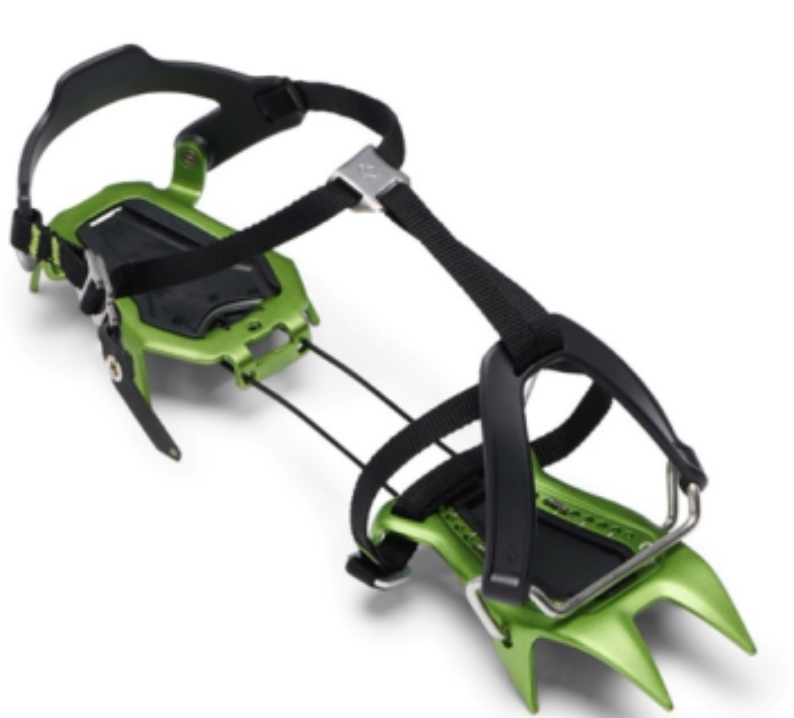 | US Canada | The screws that connect the plastic heel cup to the aluminum heel unit of the crampon can loosen and allow the heel cup to detach from the crampon, posing a fall hazard. |
| Mini Sets with Liquid Resins |  | US Canada | The recalled Make It Mini sets contain resins that, when liquid, can cause skin, eye, and respiratory irritation or sensitization when inhaled, touched, or ingested by children or adults. The resins contain acrylates (hydroxyethylmethacrylate “HEMA” and isobornyl acrylate “IBOA”) in amounts prohibited in children’s products by the Federal Hazardous Substances Act. After the resins cure, they no longer present this hazard. |
| Toy Trunk Storage Chests |  | US | The toy trunk storage chests do not contain a lid support feature or ventilation holes, posing entrapment and suffocation hazard |
| The training wheel assembly knob |  | US | The training wheel assembly knob can loosen and detach from the bicycle, posing fall and injury hazards to the riders. |
| Children’s boots A12/01481/24 |  | Sweden | The plastic material of the product has excessive concentrations of bis(2-ethylhexyl) phthalate (DEHP) and dibutyl phthalate (DBP) (measured values: up to 5.3% and 19.9% by weight, respectively). The product does not comply with the REACH Regulation. |
| Teething ring A12/01471/24 |  | France | The teething ring has a protruding part that can get suck in the mouth of a small child, causing choking. The product does not comply with the requirements of the Toy Safety Directive, nor with the European standard EN 71-1. |
| Soother holde A12/01467/24 |  | France | The soother holder does not have the required ventilation holes. Small children can put the soother holder in their mouth and choke. The product does not comply with the requirements of the General Safety Directive nor with European standard EN 12586. |
| LED headlamp A12/01488/24 |  | Sweden | The plastic material of the cable has excessive concentrations of bis(2-ethylhexyl) phthalate (DEHP), diisobutyl phthalate (DIBP), lead and short chain chlorinated paraffins (SCCPs) (measured values: 1.9%, 0.15%, 0.13% and 3.5% by weight, respectively). The solders in the product have an excessive concentration of lead (measured value up to 72.6% by weigh The product does not comply with the requirements of the Directive on the restriction of the use of certain hazardous substances in electrical and electronic equipment (RoHS 2 Directive) nor with the Persistent Organic Pollutants (POP) Regulation. |
| Playpen A12/01558/24 |  | Netherlands | The frame of the playpen bends when loaded, which results in a reduced height of the sides. This may allow children to climb on top of the fence and fall over the edge, leading to a risk of injury. The product does not comply with the requirements of the General Product Safety Directive nor with the European standard EN 12227. |
| Playpen A12/01598/24 |  | Netherlands | The presence of holes in the panels may allow children to climb on the top of the fence and fall over the edge, leading to a risk of injury. Clothes or objects, especially those attached to cords, can be caught in protruding parts of the product, increasing the risk of strangulation. The battery cover of the music box in the playpen can easily detach. Small children may put the batteries in the mouth and choke. The product does not comply with the requirements of the General Product Safety Directive nor with the European standards EN 71-1, EN 12227, EN 1930 and EN 62115. |
| Keyring with soft toy A12/01540/24 |  | Finland | The key ring attached to the plush toy can be easily detached. Small children may put it in the mouth and choke. The product does not comply with the requirements of the Toy Safety Directive nor with the European standard EN 71-1. |
| Necklace A12/01571/24 |  | Germany | The product has an excessive concentration of cadmium (measured value up to 79% by weight). The product does not meet the requirements of the REACH Regulation |
| Baby nest INFO/00083/24 |  | Ireland | The baby nest does not have a firm flat surface. The baby’s mouth and/or nose may get covered with the side of the baby nest while sleeping, which can lead to suffocation. The product does not comply with the requirements of the General Product Safety Directive. |
| Mouse pad A12/01627/24 |  | Germany | The product has an excessive concentration of polycyclic aromatic hydrocarbons (PAHs), notably Chrysene, Benzo(e)pyrene (measured values up to 2.83 mg/kg and 2.18 mg/kg by weight respectively). These PAHs may cause cancer. The product does not comply with the REACH Regulation. |
| Liquid hourglass A12/01585/24 |  | Netherlands | The oil-based liquid is toxic when aspired. If the timer breaks, there is a risk that a child tastes it and if it enters the airways, it can produce chemical pneumonia. This product does not comply with the REACH Regulation. |
| Electric toy car set A12/01606/24 | 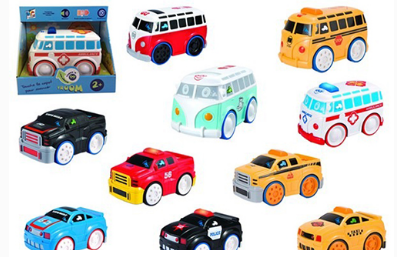 | France | The battery compartment opens/breaks easily, making the batteries accessible. A child could put them into their mouth, which could cause gastrointestinal damage or lead to choking. The product does not comply with the requirements of the Toy Safety Directive nor or with the European standard EN 62115. |
| Hair ties A12/01689/24 |  | Sweden | The plastic material of the bag has excessive concentrations of bis(2-ethylhexyl) phthalate (DEHP), dibutyl phthalate (DBP) and short-chain chlorinated paraffins (SCCPs) (measured values: up to 12.5%, 2.3% and 1.03% by weight, respectively). The product does not comply with the REACH Regulation nor with the Persistent Organic Pollutants (POP) Regulation. |
| Thermal paper for cash register A12/01687/24 |  | Czechia | The product has an excessive concentration of bisphenol A (measured value: 1.4% by weight). The product does not comply with the REACH Regulation |
| Fancy-dress costume A12/01696/24 |  | France | The product contains chromium VI (measured value up to 0.05 mg/kg). The product does not comply with the requirements of the Toy Safety Directive nor with the REACH Regulation |
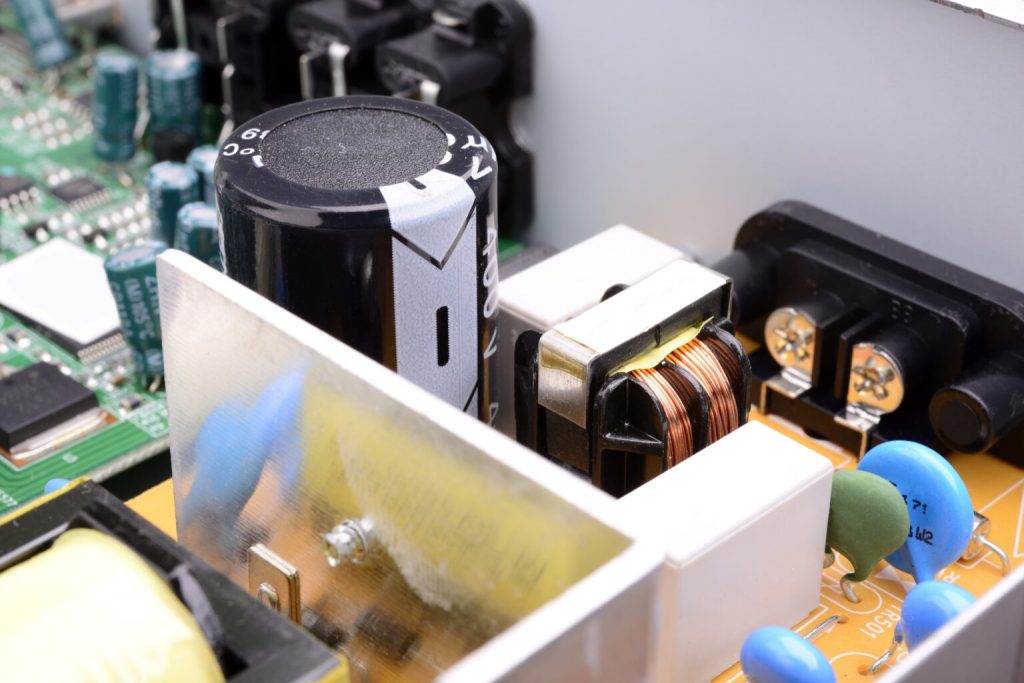
On June 29, 2024, China’s State Administration for Market Regulation (National Standardization Administration) published Announcement (No. 14 of 2024) approving release of 109 national standards and 4 national standard amendments. Among them, No. 1 Amendment to the China RoHS limited requirement standard GB/T 26572-2011 “Requirements of concentration limits for certain restricted substances in electrical and electronic products” was officially released. This amendment adds the new restriction of four phthalates in electrical and electronic products: dibutyl phthalate (DBP), benzyl butyl phthalate (BBP), bis(2-ethylhexyl) phthalate (BEHP), and diisobutyl phthalate (DIBP), bringing the total number of restricted substances to ten under GB/T 26572. This amendment will take effect on January 1, 2026.
Announcement (No. 14 of 2024) also approved the release of GB/T 39560.12-2024 “Determination of certain substances in electrotechnical products-Part 12: Simultaneous determination of polybrominated biphenyls, polybrominated diphenyl ethers, and phthalates in polymers by gas chromatography-mass spectrometry”. This standard will take effect on October 1, 2024.
CMA Testing has the testing capability for ten restricted substances in No. 1 Amendment of GB/T 26572-2011. At the same time, we also remind related companies to pay attention to the dynamics of regulations and standards in a timely manner and make necessary preparations in advance to avoid non-compliance.
The details of the announcement (Chinese version only):https://std.sacinfo.org.cn/gnoc/queryInfo?id=E2F76A3B449808FD198E132C41ADD96E
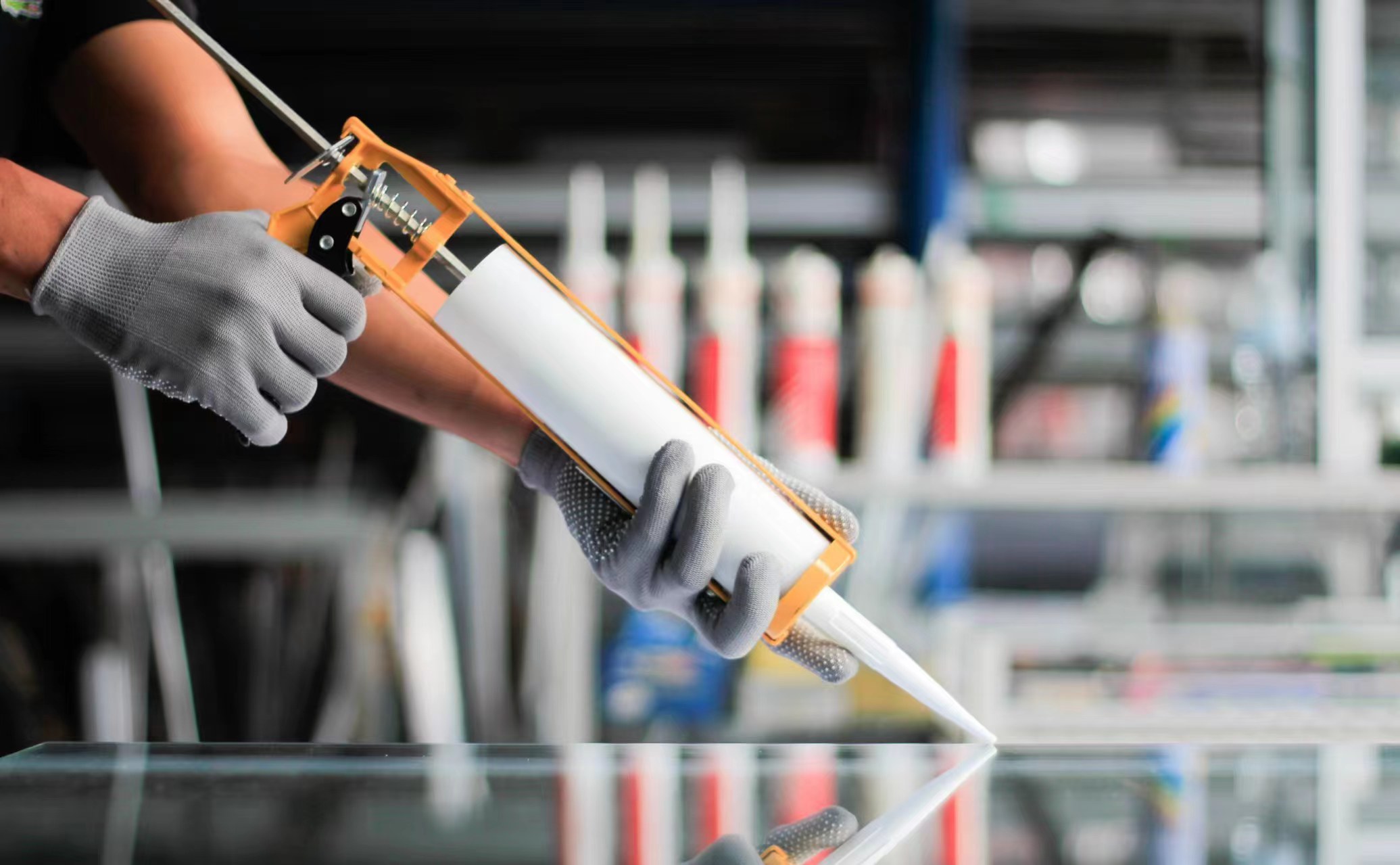
On 27 June 2024, the European Chemicals Agency (ECHA) has added one new chemical to the candidate list of substances of very high concern (SVHC), becoming the 31th SVHC substances. The Candidate List of SVHC now contains 241 entries for chemicals.
Entries added to the Candidate List on 27 June 2024 and their properties:
| Substance Name | EC No. | CAS No. | Reason for Proposing | Use |
| Bis (α,α-dimethylbenzyl) peroxide | 201-279-3 | 80-43-3 | Toxic for reproduction (Article 57c) | Natural rubber, synthetic rubber, vulcanizing agent for polyethylene resin, crosslinking agent, flame retardant |
Another substance triphenyl phosphate (CAS: 115-86-6) released by ECHA in March 2024, has not been added to the SVHC candidate list and is still under consultation.
Under REACH, companies have legal obligations when their substance is included – either on its own, in mixtures or in articles – in the Candidate List.
If an article contains a Candidate List substance above a concentration of 0.1% (weight by weight), suppliers have to give their customers and consumers information on how to use it safely. Consumers have the right to ask suppliers if the products they buy contain substances of very high concern. Importers and producers of articles have to notify ECHA if their article contains a Candidate List substance within six months from the date it has been included in the list (23 January 2024).
Under the Waste Framework Directive (2008/98/EC), beginning in January 2021, companies also have to notify ECHA if the articles they produce contain substances of very high concern in a concentration above 0.1% (weight by weight). This notification is published in ECHA’s database of substances of concern in products (SCIP).
CMA Testing offers cutting-edge testing equipment along with a team of experts to deliver thorough REACH solutions and SVHC screening services.

In today’s rapidly developing market, technology innovation serves as a key driving force for the growth of enterprises. CMA+, as a professional technical service brand from CMA Testing, are dedicated to assisting the industrial and commercial sectors with upgrades and transformations, new product research and development, technology transfer, and other services aimed at boosting industrial competitiveness and fostering the diversified growth of local technology industries. Our goal is to aid SMEs in turning technological advancements into commercial products, facilitating rapid enterprise growth, and strengthening market competitiveness.
A Bridge between Innovative Technology and the Market
The agility to recognize market needs and opportunities of SMEs giving them a significant advantage in leveraging technological achievements for innovation and product commercialization success. CMA+ draws on the resources of the Chinese Manufacturers’ Association of Hong Kong and collaborates closely with renowned universities in Hong Kong to enhance technology cooperation and application. This collaborative model facilitates the swift transfer of R&D findings from universities to industries, enabling industry matching and joint research endeavors. Moreover, it facilitates a seamless exchange of insights between companies and researchers on the challenges and pain points faced in the innovation and transformation process, ensuring that research aligns closely with technological advancements and market demands across various sectors. Ultimately, this approach enhances product efficiency and competitiveness for companies.
Professional Background, Global Outlook
While we focus on the local market, we also focus on the needs of the global market. Leveraging the role of Hong Kong “Super-connector” and drawing on over 45 years of experience of CMA Testing as an independent assurance body in the testing industry, we can provide enterprises with comprehensive technical support to ensure that their commercial products not only adhere to national standards, but also comply with international market requirements. Our comprehensive servicing establishes a strong foundation for company to expand into the global market and win more business opportunities, enabling enterprise’s innovative products to conform to the standards of different countries and regions and achieve the strategic goal of “going out”.
CMA+ InnoLIFE
The CMA+ technology commercialization platform mainly covers cutting-edge technology fields such as green energy, environment, healthcare, food technology, advanced materials and equipment, Internet of Things, and biotechnology. The platform launched the InnoLIFE membership system in an effort to improve people’s lives and aims to become an innovation ecosystem dedicated to advancing technology research and development (Tech) and gathering talents (Talent), allowing scientific research to turn into commercialized products and promoting the advancement of innovation and technology. CMA+ InnoLIFE welcomes different types of scientific research teams. Through the extensive industrial and commercial network of the Chinese Manufacturers’ Association of Hong Kong and the technical support of CMA Testing, regular industry exchanges and matching activities facilitate connections among manufacturers of the Manufacturers’ Association, InnoLIFE members, CMA+ innovation and technology companies and partners, to realize the commercialization of science and technology.
CMA+, as an accelerator of technological innovation for small and medium-sized enterprises, will use our professional service bridges between technology and the market and our global vision to assist enterprises in realizing the transformation of scientific and technological achievements to expand a broader market reach. Choose CMA+, let’s build a better future together.
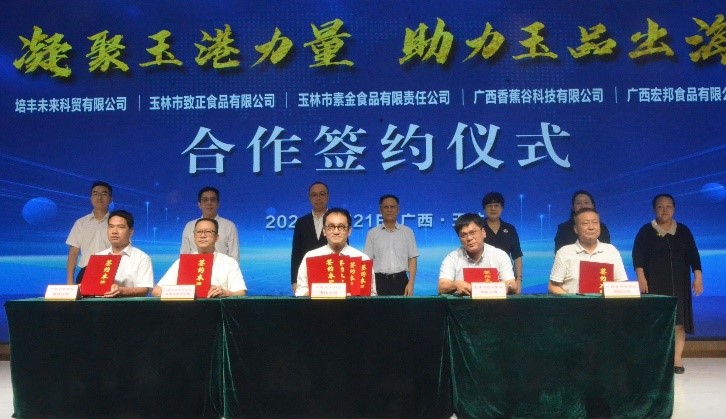
On 21 June 2024, a training session titled “Rallying the Strength of Yulin to Aid in Yulin’s Products to Overseas” for Hong Kong’s High-quality Genuine Certification took place in Yulin City, China. The training aimed at enhancing the service effectiveness of certified enterprises in Yulin and strengthening their commitment and understanding with the market compliance requirements of Hong Kong and the international market. Also facilitating the entry of Yulin’s characteristic products into overseas markets, realizing the two-way channel for products between Yulin and Hong Kong, and effectively assisting certified enterprises in improving product quality, establishing brands, and expanding market reach.
At the training session, Mr. Joseph Chiu Ka-yu, the Senior Manager of Inspection, Certification, and Project Division of CMA Testing, acted as the representative for Wings Future Prosperity Limited, along with representatives from Yulin Zhizheng Food Company Limited, Yulin Sujin Food Company Limited, Guangxi Banana Valley Technology Company Limited, and Guangxi Hongbang Food Company Limited, signed technical service contract for the supply of products to Hong Kong. He also offered special training, providing valuable information on how Yulin enterprise products can truly enter Hong Kong supermarkets.
Read the report (Chinese version only):
https://www.gxylnews.com/ylapp/ylrb-app/appmoban/shouye/tuijian/202406/t20240622_746664.html