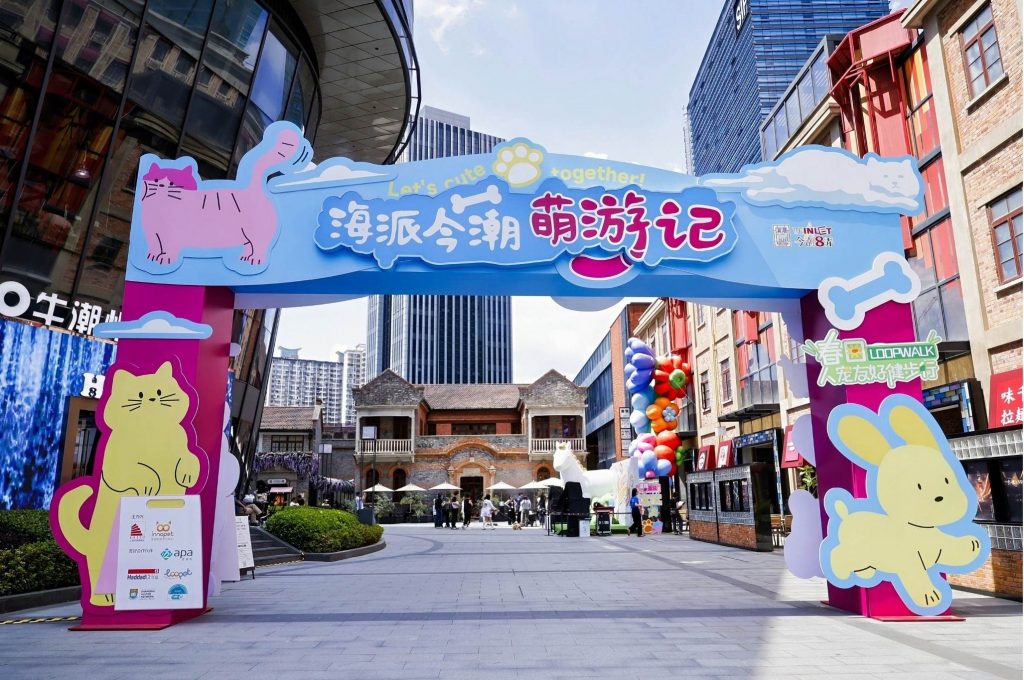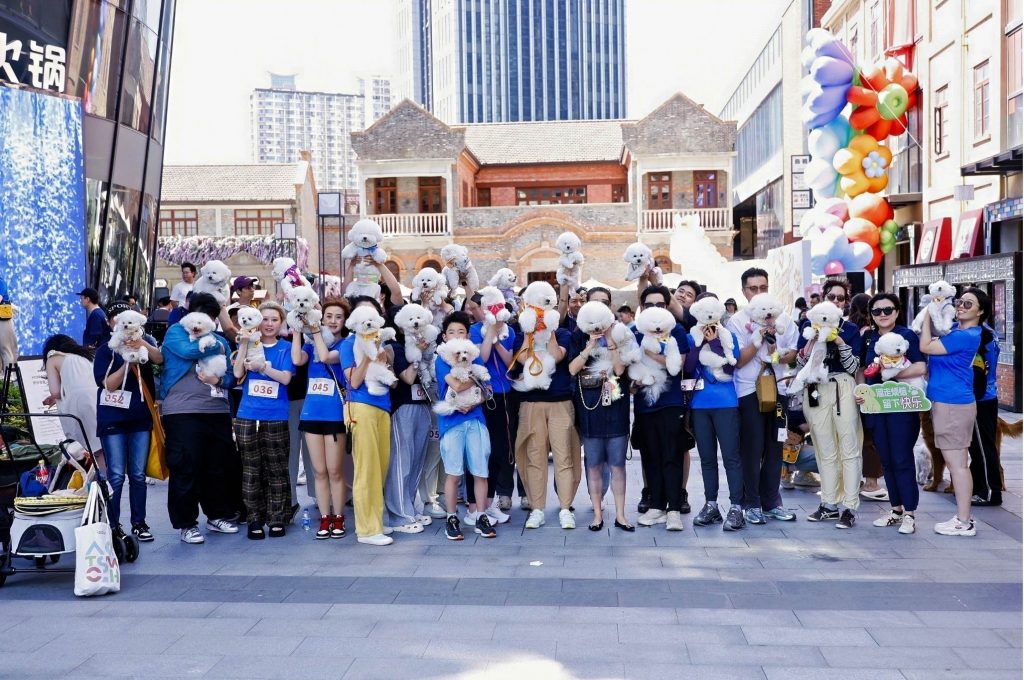








On May 16th, at The Inlet in Shanghai’s Hongkou district, the weather was sunny.
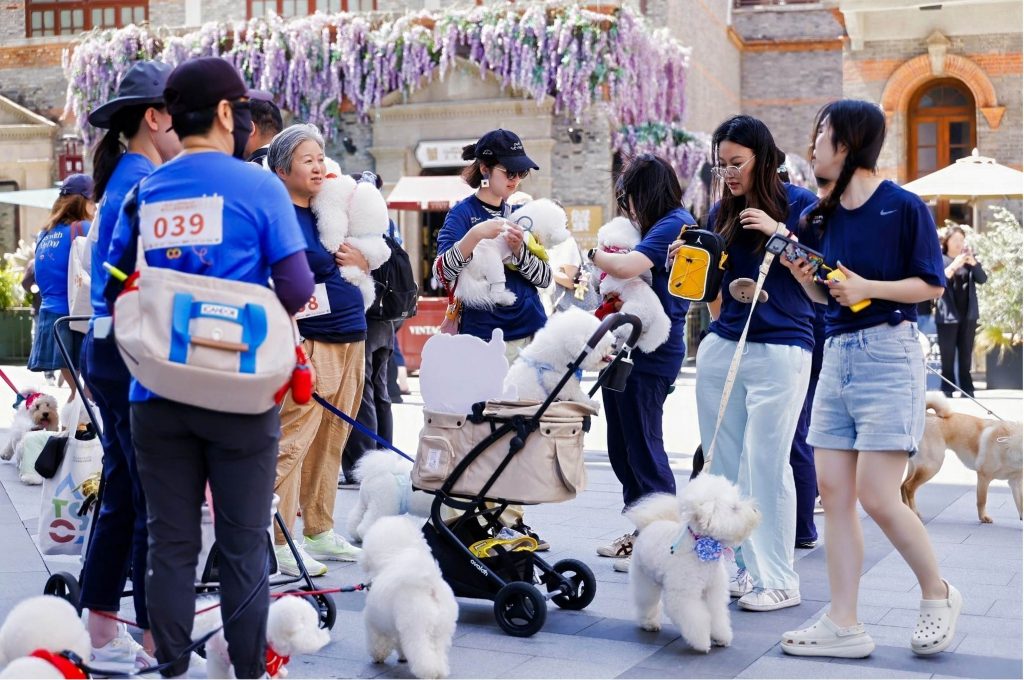
Over 70 families with dogs and cats gathered on site. Some were taking photos, some were strolling, and the furry little ones were wagging their tails beside their owners. It was lively but not chaotic, warm yet orderly.
But in the eyes of the event organizers, the most important thing about this day was not the liveliness itself, but the arrival of a professional milestone:
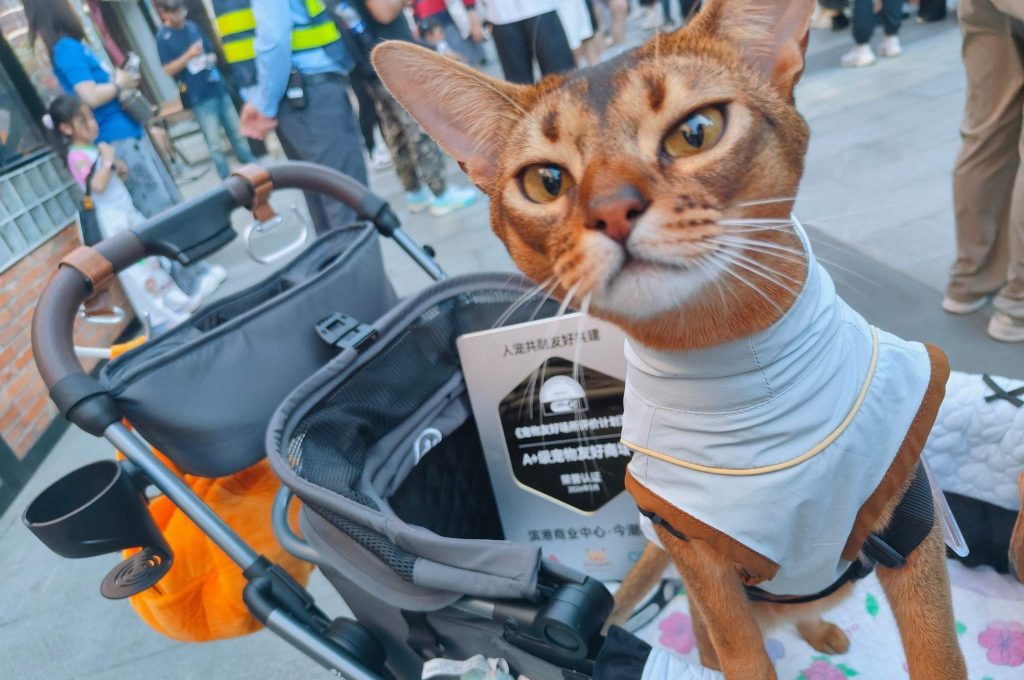
The first batch of shopping malls in Shanghai that comply with the “Pet‑Friendly Premises Plan” was officially launched.
Many people ask: isn’t “pet‑friendly” just about allowing pets to enter the premises?
Ms. Cui Xiaoting, General Manager of CMA Testing East China, gave a clear answer:
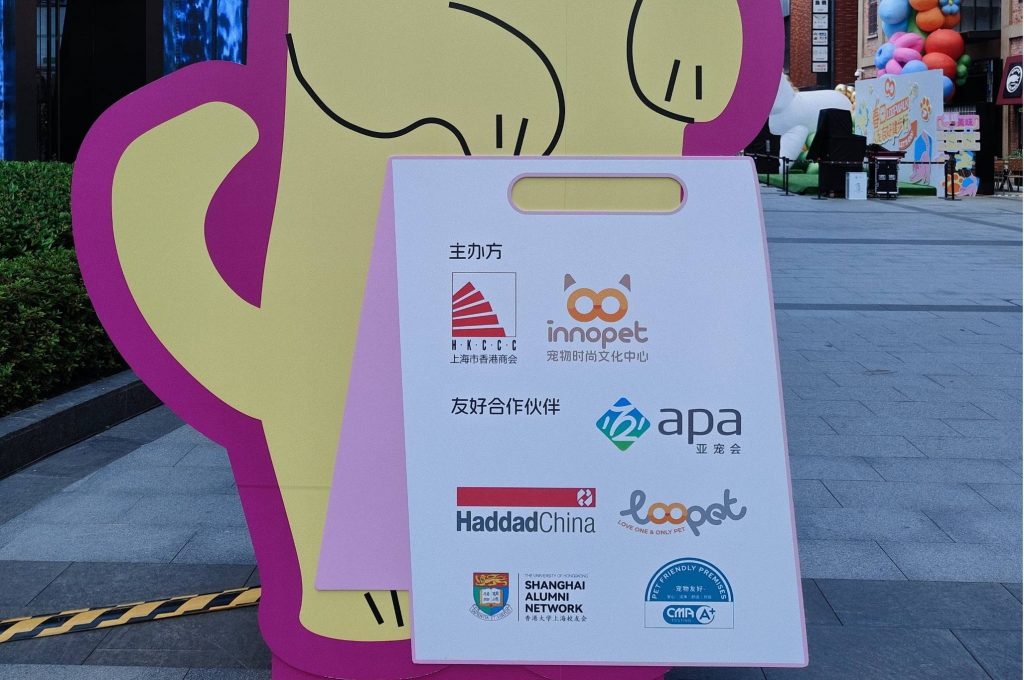
“True pet‑friendliness is neither a slogan nor just a logo. It needs to answer these questions: Where do pets enter? Which areas can they stay in? How is excrement handled? How should staff respond to complaints? How are the feelings of non‑pet‑owning customers respected? The special significance of this project lies in the fact that it is not a one‑time event planning effort, but a deep integration of Hong Kong’s professional service capabilities with the innovative demands of the mainland market. The Hong Kong Chamber of Commerce in Shanghai and InnoPet Hub, the pet fashion and culture center, have bridged the commercial resources of Shanghai and Hong Kong. The Asia Pet Alliance (APA) has brought the ecological influence of the pet industry, and CMA Testing provides third‑party credibility and professional support. All these elements are indispensable.”
As a professional testing and certification body under the Chinese Manufacturers’ Association of Hong Kong, CMA Testing has long been serving the quality and safety of the manufacturing, retail, and service industries. This time, we have systematically applied an internationally recognized service evaluation methodology to the emerging consumption scenario of “human‑pet friendliness.”
A Deep Integration of Hong Kong’s Professional Services with Mainland Commercial Scenarios
Mr. Zhang Guozheng, President of the Hong Kong Chamber of Commerce in Shanghai, noted in his speech at the event that this year marks the 30th anniversary of the Chamber. He stated that the Chamber will further engage in the new track of the human‑pet economy, sharing and promoting its positive significance for urban consumption upgrading, commercial space innovation, and the enhancement of economic vitality.
Afterwards, Ms. Chen Baojin, founder of InnoPet Hub – the Pet Fashion and Culture Center, introduced the positioning and resource‑linking function of her platform. She expressed the hope to combine Hong Kong’s advanced practical experience in pet‑friendliness and international good practices with mainland commercial scenarios, in order to promote an implementable, sustainable, and auditable human‑pet friendly system.
Mr. Hu Jun, Secretary General of APA Asia Pet Alliance, also pointed out in his speech: “Pet‑friendliness is not only a value‑added feature for commercial spaces, but also a new reflection of urban civilization and consumption vitality. Through a standardized system, we can help more venues build friendly scenarios for human‑pet coexistence, create better consumption and activity experiences for pet owners, and inject new vitality into the commercial ecosystem.”
Human-Pet Friendliness: A Professional Track in the New Consumption Era
On the surface, pet-friendly places are about whether pets can enter shopping malls, but in essence, they are about how commercial spaces can respond in a more professional way to the new generation of consumers’ needs for emotional value, community belonging, and lifestyle.
Today’s consumers, especially pet owners in cities, want more than just transactional functions when they enter commercial spaces. They hope to be understood and accepted when bringing their pets, and to have a safe and comfortable co‑existence experience. This emotional value lies at the heart of the consumption experience. When commercial spaces consistently provide this value, they are no longer merely places of transaction but become true social spaces and places of belonging. Pet owners will return repeatedly because of shared interests and develop loyalty—that is community belonging. Once commercial spaces successfully navigate this track, they gain not only the favor of pet‑owning consumers, but also new reasons for visits, longer dwell times, new consumption scenarios, and the extremely rare emotional connection in this era of highly fragmented attention. Therefore, pet‑friendliness is not just a public welfare gesture or a commercial label; it is a professional choice for commercial spaces to enhance their competitiveness in the new consumption era, and also the intersection of urban civilization and commercial innovation.
Starting from Shanghai
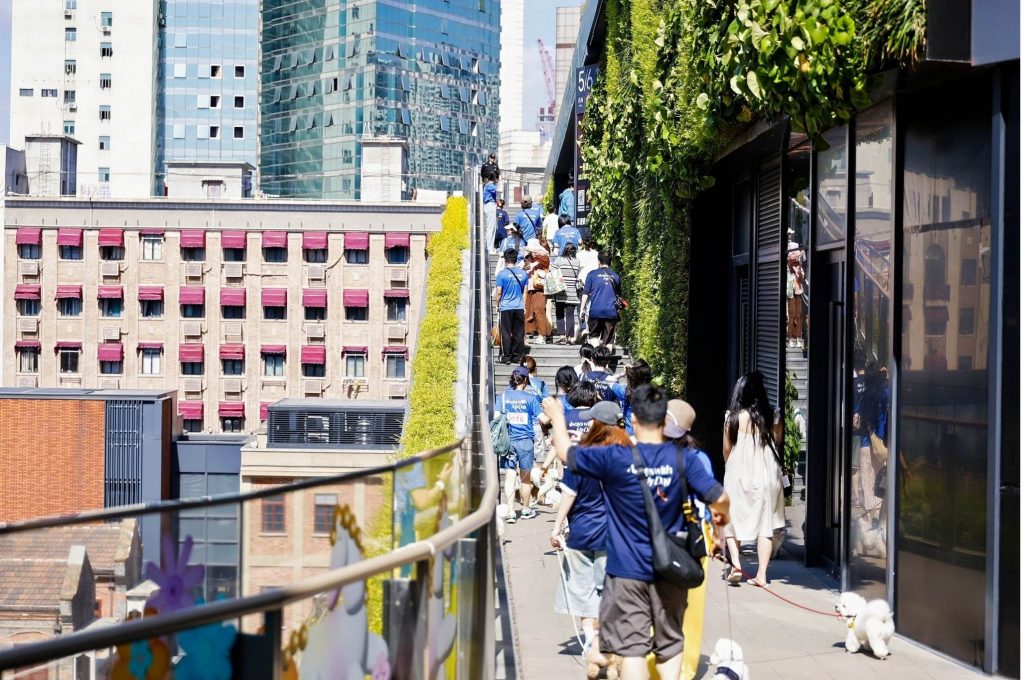
On the day of the event, over 70 pet families took part in an orderly wellness walk. They had a designated route, proper management, a pleasant experience, and a warm atmosphere.
This is exactly the state that human‑pet friendly commercial spaces most need to present.
For CMA Testing, this day marked an even more important beginning: a set of pet‑friendly standards established by a Hong Kong professional institution was implemented for the first time in Shanghai, and this will serve as the starting point.
We hope that in the future, when you walk into a shopping mall displaying the CMA Testing Pet‑Friendly Place Plan logo, you will not only be able to bring your pet inside, but also truly enjoy a worry‑free, comfortable, and sustainable experience with your pet. That is the meaning of this project, and it is also the original intention behind what we do.