











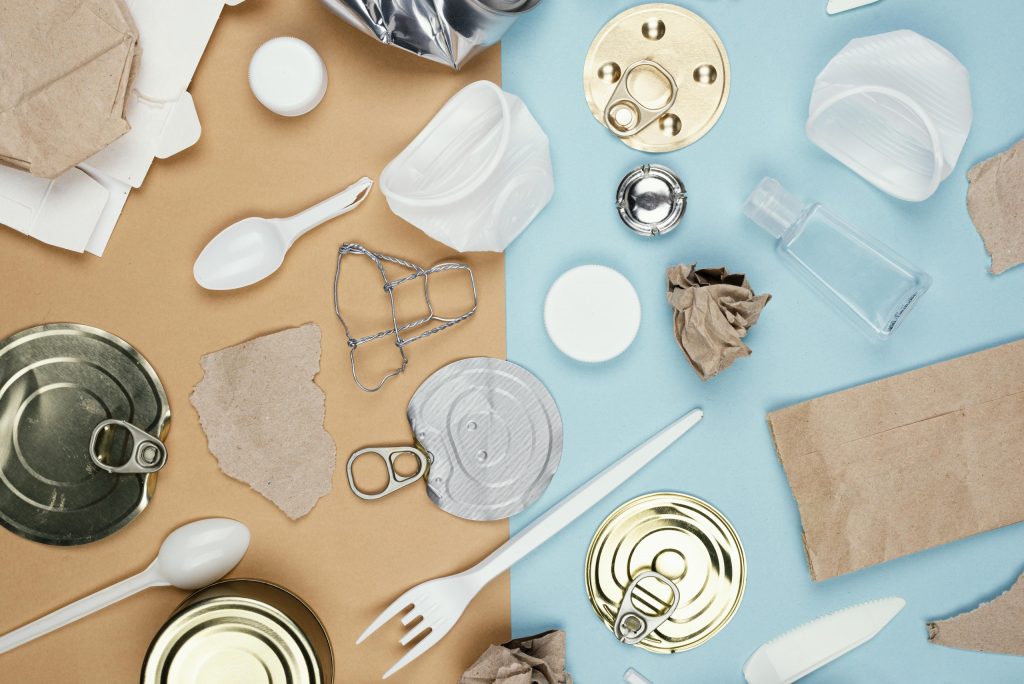
On December 16, 2024, the European Council formally adopted the Packaging and Packaging Waste Regulation (EU) 2025/40, which was subsequently signed into law by the European Parliament and the Council on December 19. On January 22, 2025, the EU officially published the PPWR in its Official Journal, abolishing the Packaging and Packaging Waste Directive 94/62/EC. The EU Packaging Regulation PPWR entered into force on February 11, 2025, and will be implemented from August 12, 2026 (unless otherwise specified).
Scope of PPWR regulations
Applicable to all packaging and packaging waste, whether such packaging is used in industry, other manufacturing, retail or distribution, office, service or household.
Main contents of PPWR regulations
- Regulations specify requirements for environmental sustainability and labeling throughout the entire lifecycle of packaging.
- Regulations stipulate extended producer responsibility.
- Regulations specify requirements for packaging waste prevention.
PPWR core requirements
Material requirements in packaging
| Packaging type | Requirement |
| All packaging | The total concentration of lead (Pb), cadmium (Cd), mercury (Hg), and hexavalent chromium (Cr6+) is ≤100 mg/kg. |
| Food contact material packaging | The concentration of any single target PFAS substance is <25 ppb (excluding polymeric PFAS); The sum of analyses of the target PFAS substance and optional degradable precursors is <250 ppb (excluding polymeric PFAS); The total PFAS concentration is <50 ppm (including polymeric PFAS). If the total fluorine content exceeds 50 mg/kg, provide proof of the amount of fluorine contained in either PFAS or non-PFAS. |
Packaging recyclability requirements
All packaging placed on the EU market must be recyclable.
Packaging must be designed for recycling and as a substitute for raw materials, and must be collected and sorted separately when it becomes waste.
From 1 January 2030 or 24 months after the enactment of the authorizing act (whichever comes first), only packaging meeting the recycling efficiency level of A, B, or C in Table 3 of Annex II of Regulation (EU) 2025/40 may be placed on the EU market. From 1 January 2038, only packaging meeting the recycling efficiency level of A or B in Table 3 of Annex II may be placed on the EU market.
Minimum Recycling Requirements for Plastic Packaging
| Packaging type | Target date | |
| 1st Jan 2030 | The year of 2040 | |
| Contact-sensitive packaging with polyethylene terephthalate (PET) as the main component (excluding single-use plastic beverage bottles) | 30% | 50% |
| Contact-sensitive packaging made of plastic materials other than PET (excluding single-use plastic beverage bottles) | 10% | 25% |
| Disposable plastic beverage bottles | 30% | 65% |
| Other plastic packaging | 35% | 65% |
Minimize packaging
By January 1, 2030, manufacturers or importers should ensure that the design of packaging placed on the market reduces its weight and volume to the minimum required to ensure its functionality, while taking into account the shape and material of the packaging.
PPWR Regulatory Labeling Requirements
Packaging placed on the market on August 12, 2028, or 24 months from the effective date of the Implementing Act (whichever is latest), should display information on its composition to facilitate consumer classification.
Reusable packaging placed on the market on February 12, 2029, or 30 months from the effective date of the Implementing Act (whichever is latest), should be labeled to inform users that the packaging is reusable. Reusability information and collection points may be provided via QR codes or other types of data carriers.
Plastic packaging with recycled material content labels placed on the market on August 12, 2028, or 24 months from the effective date of the Implementing Act (whichever is latest), should have labels that comply with the Implementing Act.
Single-use plastic packaging is prohibited.
Starting January 1, 2030, the following single-use plastic packaging will be prohibited from being placed on the market:
- Single-use plastic repackaging;
- Suitable for pre-packaged fresh fruits and vegetables weighing no more than 1.5 kg;
- Packaging for ready-to-eat foods and beverages in restaurants and hotels;
- Single-packaged seasonings, sauces, creamer, and sugar packets;
- Small disposable cosmetics and toiletries for the accommodation industry;
- Very lightweight plastic tote bags.
CMA Testing Services
CMA Testing offers testing services for heavy metal limits, PFAS restrictions, SVHC testing, and Declaration of Compliance (DoC) requirements for food contact packaging. For PFAS, we can test for over 400 target substances and screen for total fluoride. Leveraging Q-TOF MS/MS technology, we can screen for over 10,000 PFAS, helping companies easily identify “permanent chemicals” and confidently address compliance challenges. Please feel free to contact us for inquiries!
