






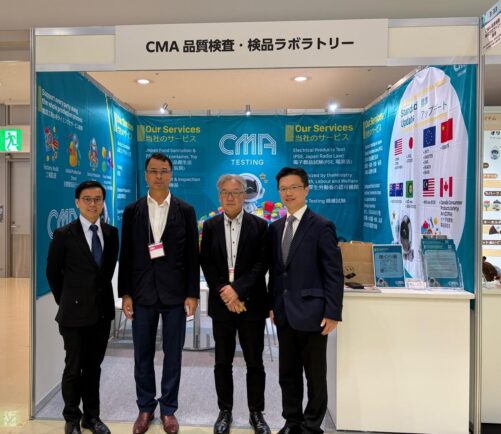
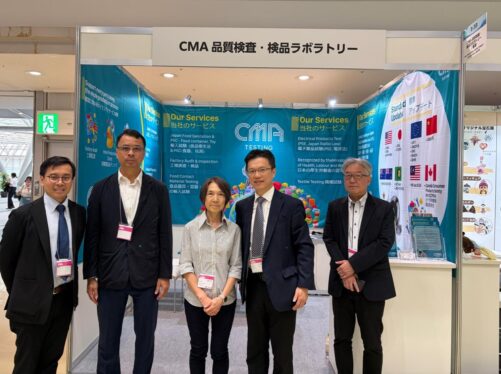
Day 2 is in full swing! Our experts are ready to help you with global compliance, toy safety standards, and more.
Come by, LIKE & SHARE this post, and grab your FREE “Dr. A+ Treasure Pack”!
Last chance – don’t miss out! Snap a photo with us and check in!
 Venue: Tokyo Big Sight, Hall 3, Booth 33
 Time: Now until closing
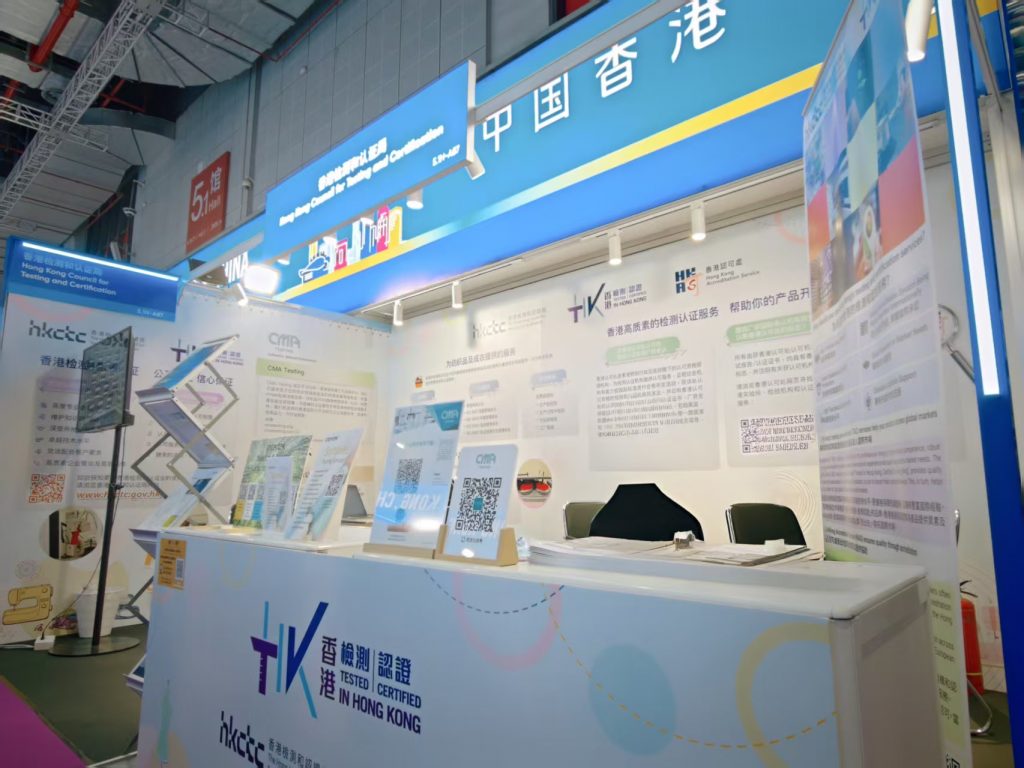
August 25–27, 2026 – The Intertextile China International Textile Fabrics and Accessories (Autumn/Winter) Expo was successfully held at the National Exhibition and Convention Center (Shanghai). With a total exhibition area of 240,000 square meters, and about 4000 exhibitors from 30 countries and regions, this edition provided an efficient platform for the textile industry to seize the “golden September and silver October” market cycle and unlock new drivers for growth.
As a key representative at the booth of the Hong Kong Council for Testing and Certification, CMA Testing participated throughout the event, engaging in in‑depth exchanges with numerous exhibitors and visitors. Established in 1979, we are a leading third‑party quality assurance center in Hong Kong, consistently dedicated to providing professional and reliable testing and sustainability services for the textile, fabrics, and accessories sectors.
During the exhibition, we highlighted a range of service capabilities, including:
- EU PPWR (Packaging and Packaging Waste Regulation) compliance testing
- PFAS restricted substances testing for textiles
- ESG services
- Carbon management and carbon footprint accounting
These services are designed to help fabric and accessory suppliers effectively respond to domestic and international regulatory requirements, offering end‑to‑end support from compliance to green transformation.
Leveraging Hong Kong’s international platform, CMA Testing will continue to empower companies in expanding their global market presence and contribute to the high‑quality development of the textile industry.
We would like to extend our sincere gratitude to all friends who visited us during the exhibition. Looking ahead, we look forward to joining hands with more partners to build a safe, green, and sustainable textile industry chain.
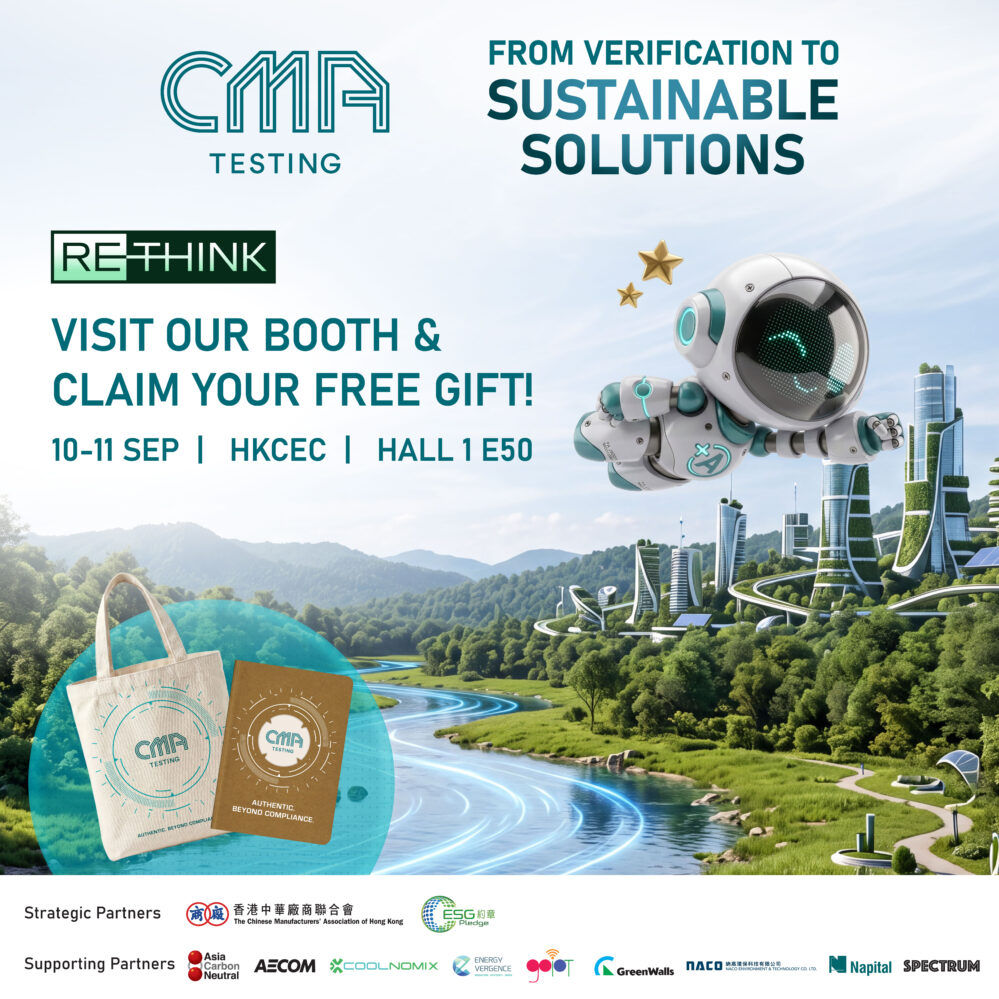
 Beyond Paper Promises – Making Sustainability Real
2026 is a year to review commitments – and, more importantly, a turning point for action.
This year at Rethink 2026, we’re taking a fresh perspective with our theme:
From Verification to Sustainable Solutions
– moving boldly from “compliance checking” to scalable, measurable, and profitable sustainability solutions.
Sustainability transformation is not just about carbon figures on a report – it’s a concrete demonstration of business resilience and competitiveness. At our exhibition booth, we’ll use real‑world cases and interactive displays to show you that sustainability is not only a responsibility, but also a powerful driver of innovation.
Exhibition Details
- Dates: 10–11 September 2026 (Thursday & Friday)
- Venue: Hong Kong Convention and Exhibition Centre (HKCEC)
- Our Booth: Hall 1, E50
 Like & Share – Exclusive Giveaway
To thank every friend who cares about a sustainable future, we’ve prepared a special welcome gift:
Simply: Like this post Share this post publicly (set to “Public”) Visit our booth (Hall 1, E50) during the show and show us your shared post
and you’ll receive a limited‑edition “Dr. A+ Gift Bag”  , which includes:
- A stylish Dr. A+ tote bag (perfect for reducing single‑use plastics in daily life)
- An green notebook (to capture every sustainable inspiration)
 While stocks last – so come early on the first day so you don’t miss out!
 Sincere Thanks to Our Strategic & Supporting Partners
We extend our heartfelt gratitude to our Strategic Partner for this booth, CMA (The Chinese Manufacturers’ Association of Hong Kong), and our ESG Pledge Scheme.
Supporting Partners for their strong backing:
ACN · AECOM · Coolnomix · Energy Vergence · GoloT · Greenwalls · NACO · NAPITAL · Energys
(Listed in no particular order .)
 See You in Hong Kong – Let’s Rethink Together
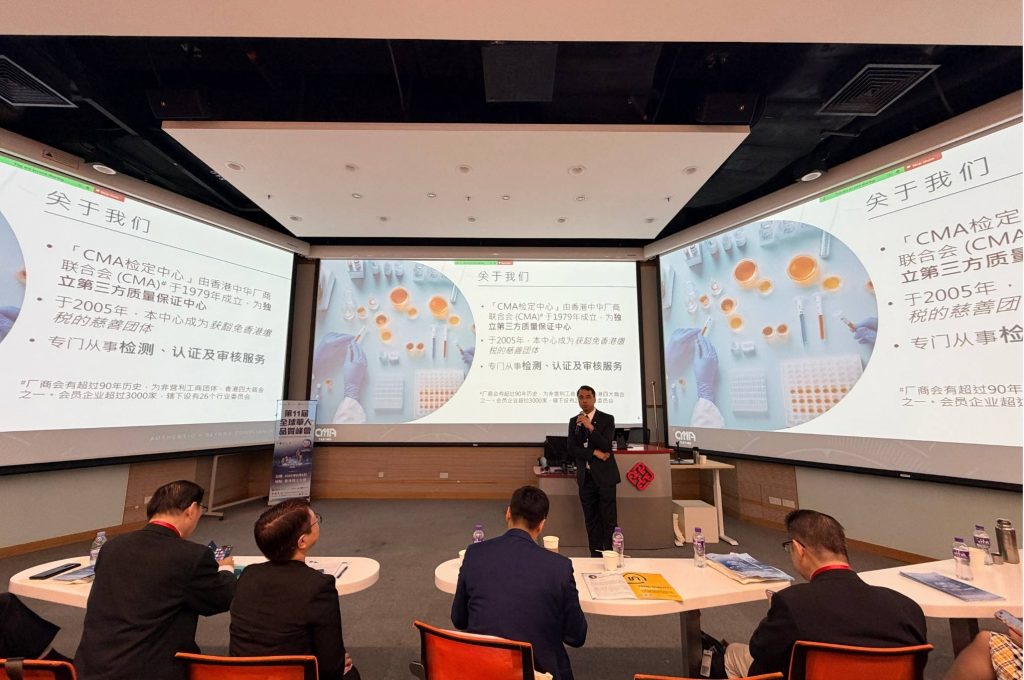
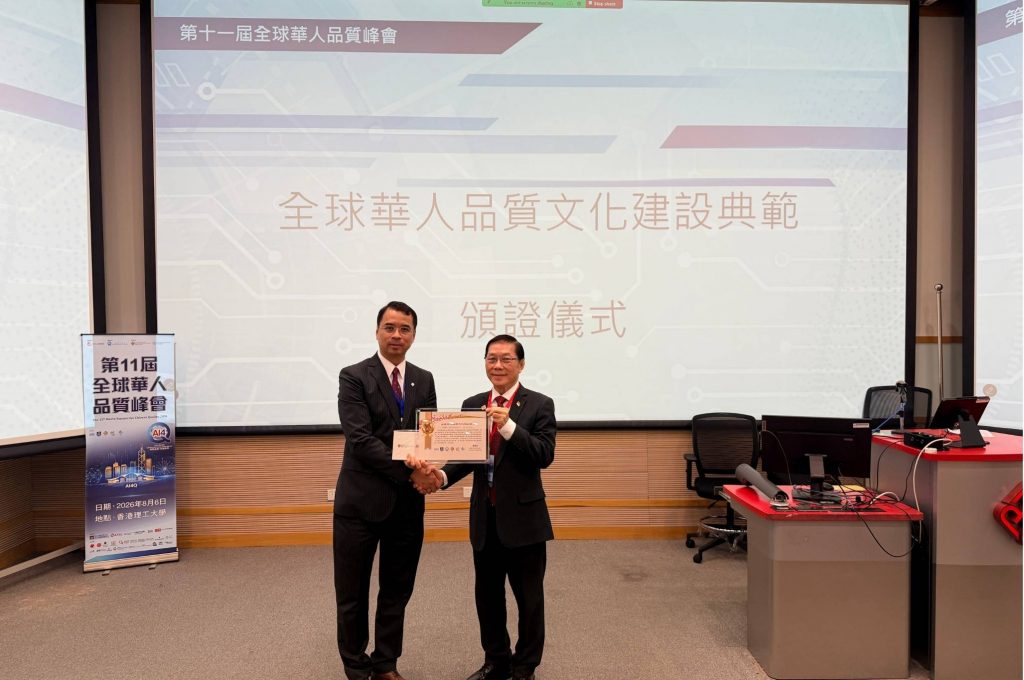
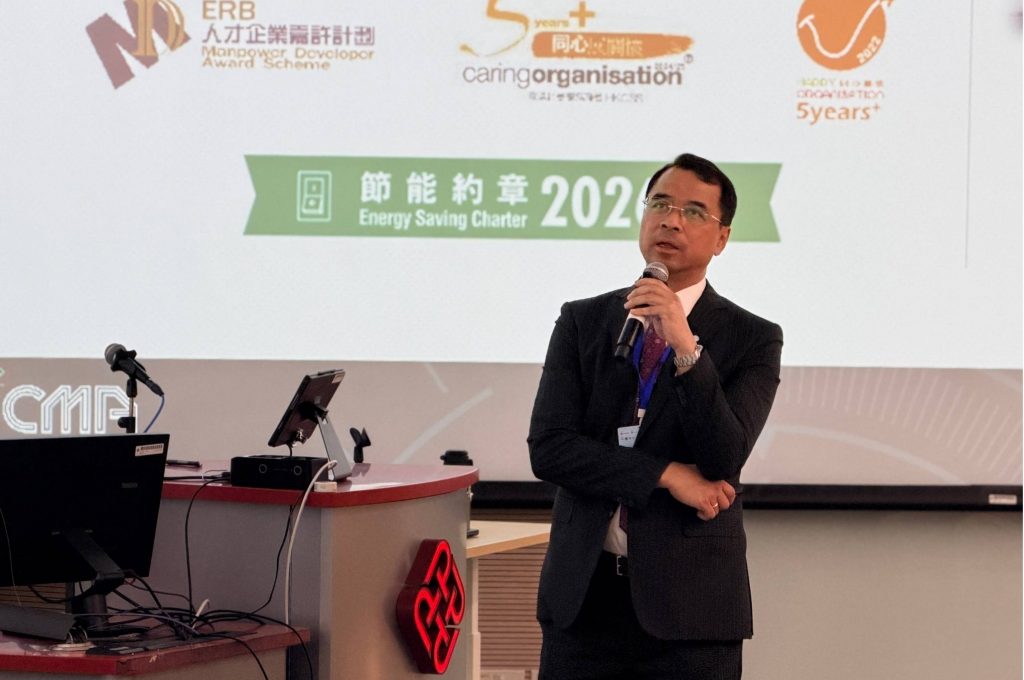
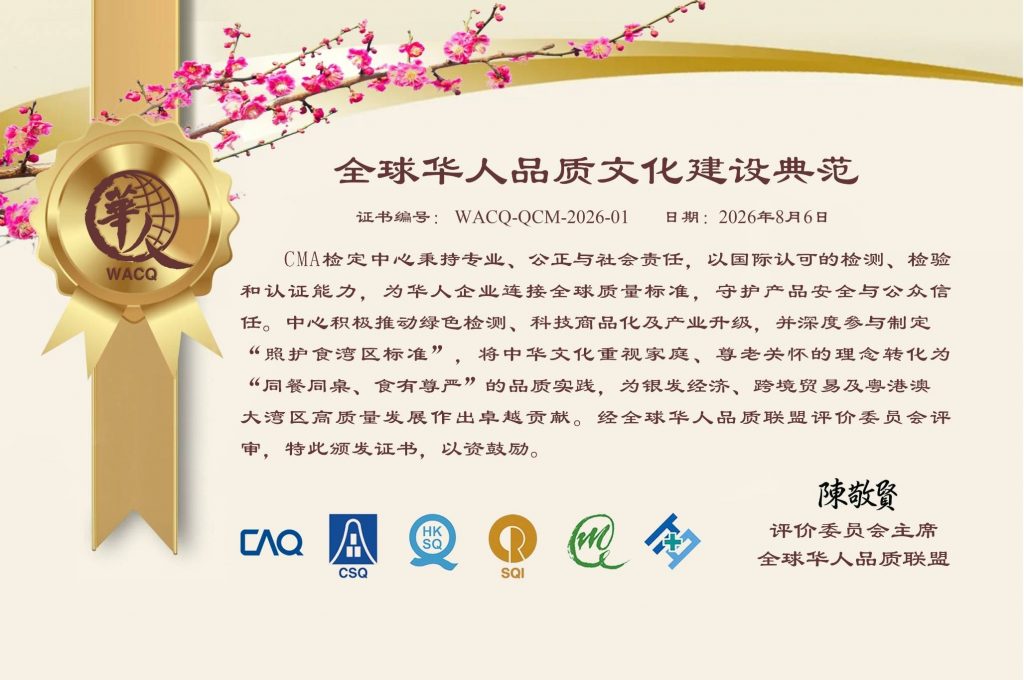
We are pleased to announce that CMA Testing was honored with the “A Model for World Chinese Quality Culture Construction (Organization)” award at the 11th World Summit for Chinese Quality 2026. The Summit, organized by the World Alliance of Chinese Quality (WACQ) and hosted by the Hong Kong Society for Quality (HKSQ) and The Hong Kong Polytechnic University (PolyU) , was held under the theme “AI for Quality (AI4Q): Leading the Future of Excellence” , bringing together quality experts from across the Chinese community to explore the integration of artificial intelligence and quality management.
Since our establishment in 1979, we have upheld professionalism, integrity, and social responsibility as our core values, leveraging internationally accredited testing, inspection, and certification capabilities to bridge Chinese enterprises with global quality standards, including our traditional Chinese medicine and pCm testing services. Guided by our three core pillars — Better World, Passionately Curious, and Perfectly Scaled — we remain committed to safeguarding product safety and public trust.
In advancing Chinese quality culture, we played a key role in developing the “Care Food GBA Standard” — the first GBA standard in the silver economy sector led by Hong Kong. Translating the Chinese cultural values of family and elderly care into action, we champion the vision of “Dining Together with Dignity” , ensuring that every elderly individual enjoys warmth and respect at the dining table.
We are also at the forefront of promoting green testing, technology commercialisation, and industrial upgrading, and are proud to be among the inaugural members of the “Guangdong-Hong Kong-Macao Greater Bay Area Carbon Footprint Alliance,” working collaboratively to build a green ecological bay area.
This recognition affirms our team’s unwavering dedication to quality and the inheritance of Chinese cultural values. Looking ahead, we will continue to leverage quality as a bridge to connect the global Chinese community and contribute to the high-quality development of the silver economy, cross-border trade, and the Greater Bay Area.
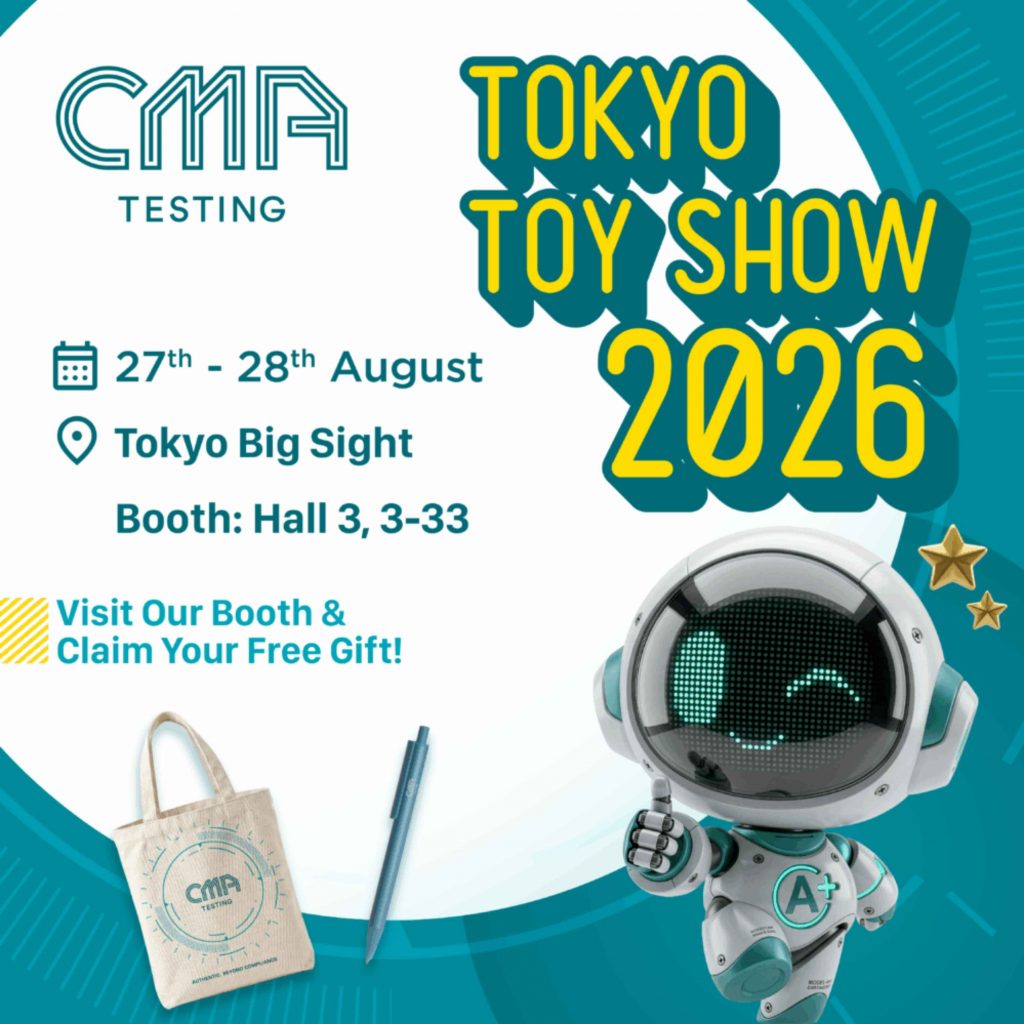
 Dates: August 27–28, 2026 Booth: Hall 3, 3-33 Tokyo Big Sight
 We’re bringing our latest toy testing innovations to Asia’s premier toy expo!
On-site highlights: Global regulatory compliance guidance In-depth toy safety technical sessions Exclusive show-only deals
 Facing export challenges? Get tailored solutions from our experts face-to-face!
LIKE & SHARE this post, visit our booth to receive a complimentary “Dr. A+ Treasure Pack” – including a canva bag and corporate signing pen! While stocks last.
 Learn more: Toys « CMA Testing
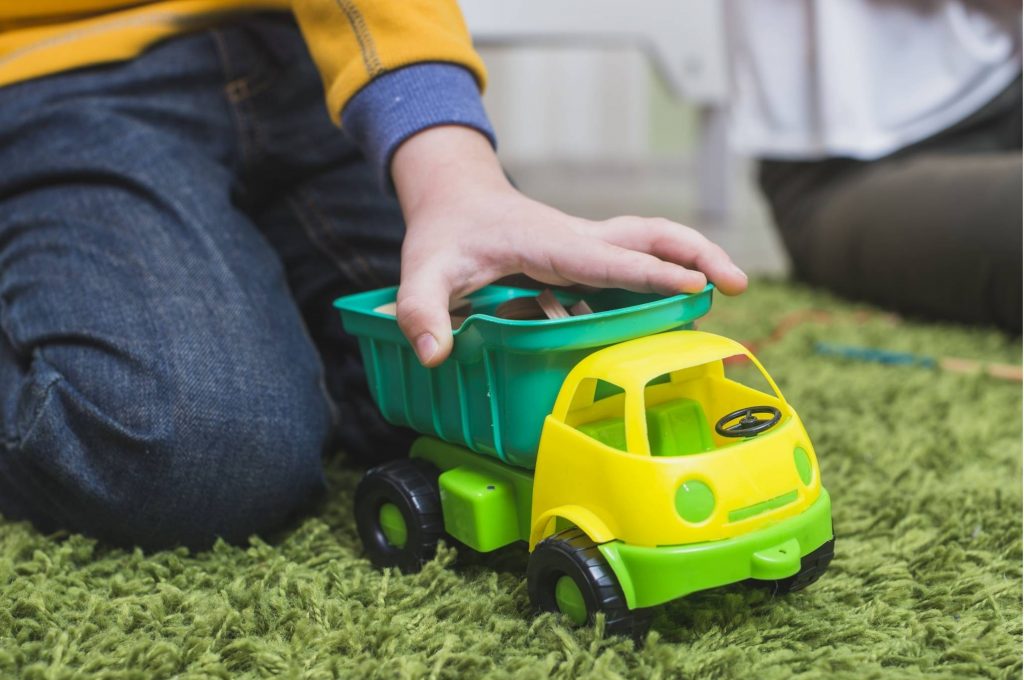
On October 5, 2025, the State Administration for Market Regulation (SAMR) and the Standardization Administration of China (SAC) officially released the four mandatory national standards GB 6675.1–4:2025 Toy Safety. The new standards will come into force on November 1, 2026, fully replacing the GB 6675.1–4:2014 series that has been in use for more than a decade. The revised standards significantly strengthen safety requirements and will reshape toy design, manufacturing, testing, and market access in China.
Key Revisions of the New Standard
1. Significant Expansion of Chemical Safety Requirements
GB 6675.4–2025 introduces limits for more than ten additional hazardous substances, including boron, formaldehyde, total volatile organic compounds (TVOC), and short-chain chlorinated paraffins (SCCPs). It also formally defines soft compound toys such as crystal slime, slime, modeling clay, and squeeze toys, specifies applicable test methods, and improves the criteria for determining accessible parts as well as layered sampling and testing of coatings and substrates.
| Test Item | GB 6675.1-2014 (Old) | GB 6675.4-2025 (New) |
| Migratable Elements | Sb, As, Ba, Cd, Cr, Pb, Hg, Se (8) | Sb, As, Ba, Cd, Cr, Pb, Hg, Se, Boron (9). Boron applies to modeling clay, slime, crystal slime and similar toys. |
| Phthalates | 6 (DEHP, DBP, BBP, DINP, DIDP, DNOP) | 10 (adds DIBP, DPENP, DHEXP, DCHP) |
| Formaldehyde | Not required | Applies to accessible textiles, leather/fur, paper and water-based materials (except finger paints) intended for children under 36 months. |
| AZO Dyes | Not required | Banned in textiles worn by children and in direct skin contact. |
| PAHs | Not required | 8 PAHs controlled in rubber/plastic parts. |
| N-Nitrosamines | Not required | Applies to elastomer parts intended for mouthing or accessible elastomer parts for toys for children under 36 months. |
| Formamide | Not required | Applies to foam materials in toys intended for children under 36 months. |
| SCCPs | Not required | Applies to accessible PVC materials. |
| VOC & TVOC | Not required | Applies to all toy categories except untreated solid wood and pure metal toys. |
| Allergenic Fragrances | Not required | Applies to all scented toys. |
2. Mechanical and Physical Safety
GB 6675.2-2025 adopts ISO 8124-1:2022 with modifications, updating requirements for small parts, sharp points, cords, projectile toys, yo-yos, inflatable toys, and food-imitation toys. It also introduces tip-over tests for large heavy toys and provisions for toys using open flames.
3. Expanded Flammability Requirements
GB 6675.3-2025 adds flammability test methods for face masks, toy tents, dress-up costumes, and stuffed toys, improving fire safety requirements for textile and soft materials.
4. Transition Period
From November 1, 2026, all newly manufactured or imported toys must comply with the new standards. Products manufactured or imported before that date in compliance with the old standards may continue to be sold until October 31, 2027.
Reminder
The revised GB 6675 introduces more than ten new chemical test items, with particular focus on slime toys, electric toys, children’s textile products, foam toys, and food-imitation toys. Manufacturers are advised to conduct compliance assessments and pre-testing as early as possible to ensure a smooth transition.
CMA Testing is a third-party laboratory authorized by the U.S. CPSC and accredited by CNAS and CMA, providing one-stop testing, certification, and compliance services for toys and children’s products.
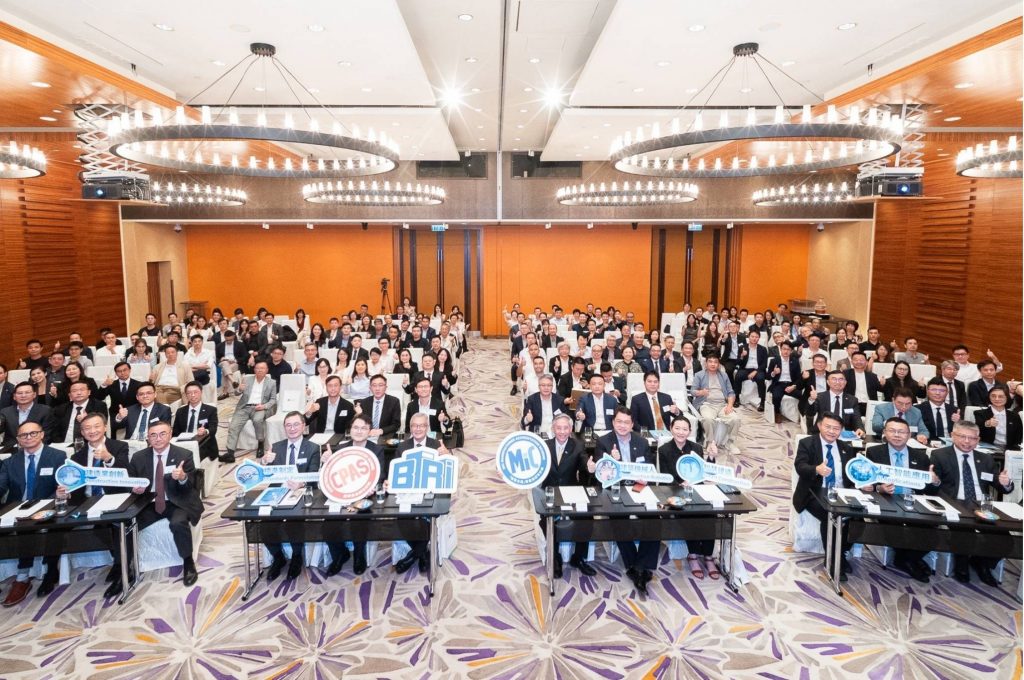
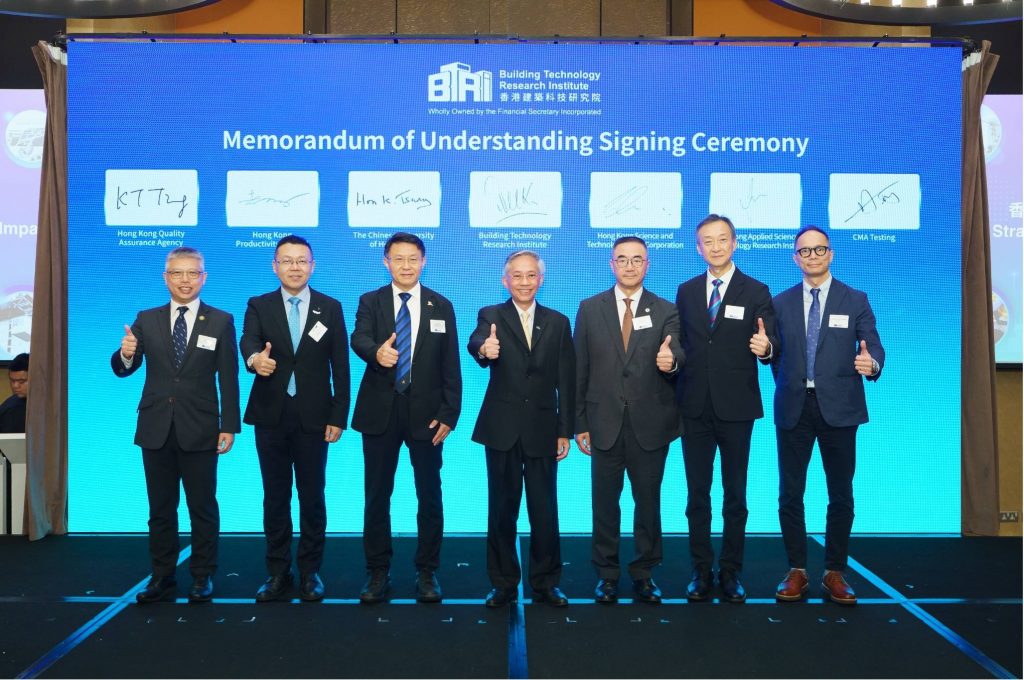
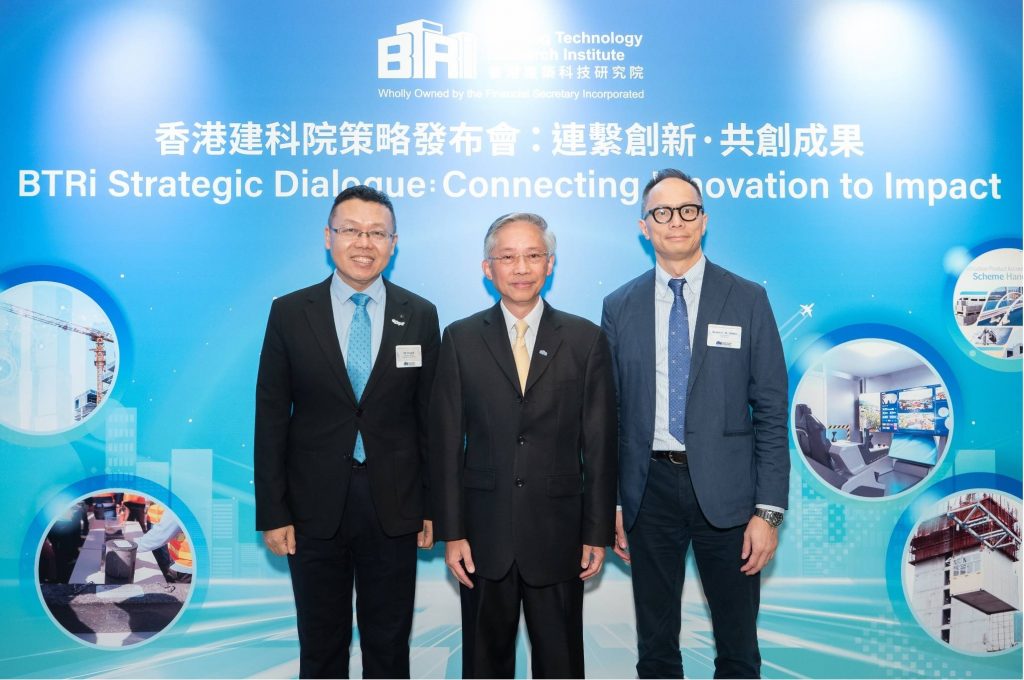
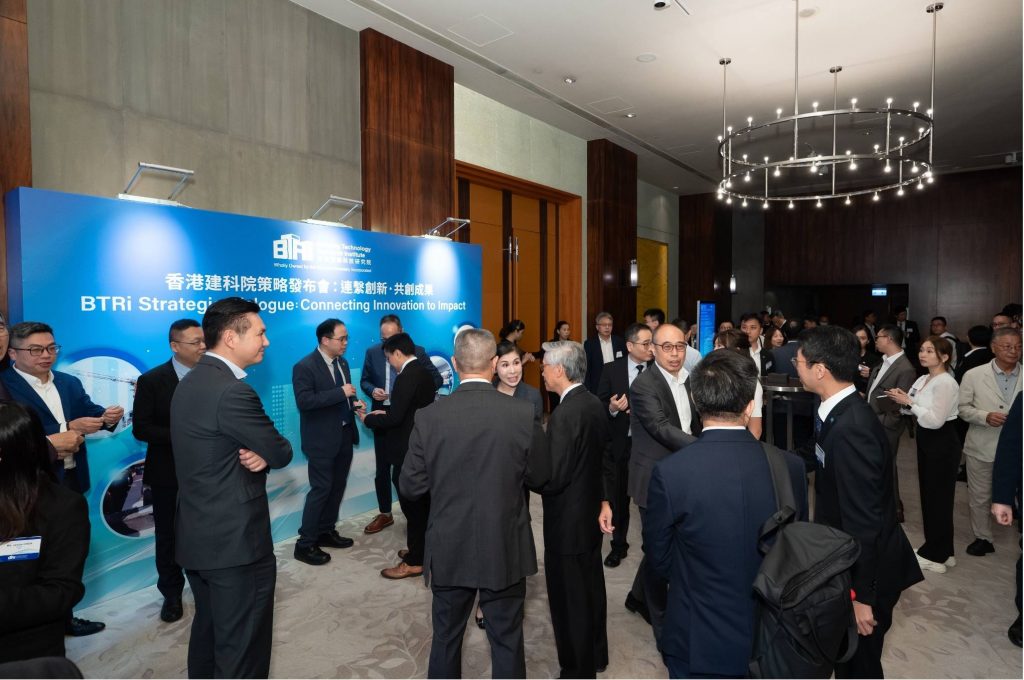
As a well-established third-party quality assurance centre with over 40 years of experience, accredited under the Hong Kong Laboratory Accreditation Scheme (HOKLAS) and the Hong Kong Inspection Body Accreditation Scheme (HKIAS), CMA Testing has long been dedicated to providing reliable testing, inspection, and certification services across various industries. On 22 July 2026, CMA Testing was invited to participate in the “BTRi Strategic Dialogue: Connecting Innovation to Impact” organised by the Building Technology Research Institute (BTRi) at Hyatt Regency Hong Kong Tsim Sha Tsui, and officially signed a Memorandum of Understanding, becoming one of BTRi’s six strategic partners.
For CMA Testing, this partnership marks a strategic expansion into the construction technology sector. Our General Manager of F&A, HR & IT , Mr. Herbert Tsang, was invited as a special guest to sign the MoU on behalf of CMA Testing, demonstrating our strong commitment to this strategic alliance. Through close collaboration with BTRi and other academic and industry partners, CMA Testing will leverage its professional expertise in quality assurance and standard compliance
to support the advancement of the Construction Products Accreditation Scheme (CPAS).
CMA Testing firmly believes that rigorous third-party testing and certification serve as a critical bridge in translating construction innovation from laboratory validation to real-world application. Mr. Herbert Tsang stated that CMA Testing will continue to uphold its core values of “A Better Tomorrow,” “Pioneering and Progressive,” and “Excellence through Scale”, working hand in hand with BTRi to drive the optimisation of construction technology standards, enhance industry quality, and contribute professionally to the sustainable development and global competitiveness of Hong Kong’s construction sector.